
Language
Please Choose Your Language
Views: 222 Author: Amanda Publish Time: 2025-11-06 Origin: Site


Content Menu
● Why Mold Develops on Patio Umbrellas
● Core Cleaning Principles for Mold on Patio Umbrella
>> Method 1 – Vinegar-Based Cleaning ( Eco-friendly, low risk)
>> Method 2 – Baking Soda Paste Boost (Mild whitening and deodorizing)
>> Method 3 – Oxygen-Based Bleach (Color-safe option)
>> Method 4 – Hydrogen Peroxide Boost (White or light-colored fabrics)
>> Method 5 – Gentle Steam Cleaning (If equipment is available)
● Cleaning the Frame and Accessories
● Drying and Dry-Storage Practices
● Preventive Measures for OEM and Wholesale Operations
● Prevention by Design and Materials Choice
● Practical Tips for Large-Scale OEM Communications
● FAQ
>> 1. What is the most effective method to remove mold from a Patio Umbrella canopy?
>> 2. Is chlorine bleach safe for Patio Umbrella fabrics?
>> 3. How long does it take for a Patio Umbrella to dry after cleaning?
>> 4. Can protective coatings help prevent mold on Patio Umbrellas?
>> 5. Should the canopy be cleaned separately from the frame?
Patio Umbrella mold is a common challenge for outdoor shade solutions, particularly in humid climates or high-traffic commercial settings. For manufacturers offering OEM services to foreign brands and wholesalers, delivering consistently mold-free canopies is essential to long-term customer satisfaction and product reputation. This comprehensive guide blends practical cleaning methods with preventive strategies, enabling you to restore canopy aesthetics, protect fabric integrity, and extend the life of each Patio Umbrella in your product line. The emphasis remains on safe, effective techniques that can be standardized into your quality control procedures and client-facing maintenance recommendations.
Mold thrives where moisture, warmth, and organic material converge. On a Patio Umbrella canopy, rain splash, dew, humid storage, and insufficient drying create micro-environments that encourage mold spores to take hold. Over time, a combination of mold growth and dirt buildup can weaken fibers, degrade coatings, and result in stubborn stains that resist simple cleaning. Understanding these drivers helps manufacturers design better storage guidelines, user manuals, and optional protective treatments that reduce maintenance needs for end users.
Before any cleaning, implement safety and prep steps to protect workers and preserve canopy materials:
- Personal protective equipment (PPE): gloves, eye protection, and a mask if mold exposure is a concern.
- Ventilated workspace: perform cleaning outdoors or in a well-ventilated area to minimize inhalation risks and chemical odors.
- Canopy inspection: check for tears, worn seams, or fabric thinning. If fabric integrity is compromised, advise replacement or a professional re-covering service for consistent results.
- Detach and organize: remove the canopy from the frame if possible; store hardware in labeled containers to prevent misassembly.
- Materials checklist: mild detergents, white vinegar, baking soda, hydrogen peroxide (3%), oxygen-based bleach (color-safe), a soft-bristle brush, microfiber cloths, a spray bottle, a bucket, a long-handled sponge, a garden hose, and a drying rack or sunny outdoor area.
- Storage caveats: ensure any stored canopy is completely dry and stored in a breathable bag or container that permits air circulation.
The primary objective is to kill mold, remove biofilm, and restore fabric appearance without compromising colorfastness or fabric strength. Use gentle, fabric-approved cleaners and test cleaners on a small, inconspicuous area first. For OEM contexts, document cleaning protocols to enable replication across product batches and client sites.
- Prepare a spray solution equal parts white vinegar and water.
- Spray the canopy thoroughly, focusing on mold-affected patches; do not saturate heavily if fabric is delicate.
- Let the solution dwell for 10–15 minutes to disrupt biofilm.
- Gently scrub with a soft-bristle brush in circular motions to lift mold without abrading fibers.
- Rinse with clean water until no soapy residue remains.
- Dry the canopy fully in a sunny, breezy location, ideally with the canopy suspended to promote airflow.
- Notes: Vinegar is generally safe for most fabrics and coatings, but always verify compatibility with your specific canopy material before widespread use.
- Make a thick paste by mixing baking soda with a small amount of water.
- Apply to moldy areas and rub gently with a soft brush to avoid fiber damage.
- For enhanced efficacy, add a few drops of lemon juice or white vinegar to the paste.
- Rinse thoroughly, then air-dry in direct sunlight or a well-ventilated area.
- Notes: This method is especially useful for removing musty odors and light discoloration while preserving fabric integrity.
- Use a color-safe oxygen bleach according to the product's instructions.
- Dilute and apply to mold-affected areas; for smaller canopies, consider spot-treating rather than full immersion.
- Gently scrub and rinse completely; air-dry away from direct heat sources.
- Notes: Avoid chlorine bleach on colored fabrics, as it can cause fading and fiber damage even if the canopy is labeled as color-safe.
- Apply 3% hydrogen peroxide directly to mold patches; let it sit for 5–10 minutes.
- Lightly scrub and rinse thoroughly.
- Dry in sunlight to leverage natural antimicrobial effects of sunlight.
- Notes: Hydrogen peroxide can help brighten light fabrics but test first to ensure no whitening unevenness on the canopy.
- Use a garment or upholstery steamer on a low setting.
- Pass the steamer slowly over the canopy to allow steam to penetrate fibers.
- Immediately rinse with clean water if residue remains and dry completely.
- Notes: Steam cleaning is effective for embedded residue but requires careful temperature and fabric compatibility considerations.
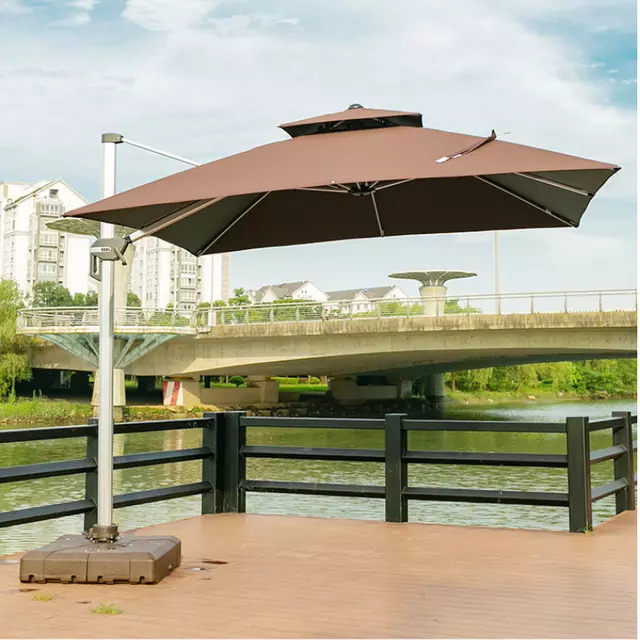
A clean Patio Umbrella frame is essential for overall performance and aesthetics:
- Ribs and metal components: wipe with a mild detergent solution; rinse and dry thoroughly to prevent corrosion.
- Lubrication: apply manufacturer-approved lubricants to moving parts to maintain folding and opening mechanisms.
- Plastic fittings and connectors: clean with the same mild solution; ensure no cleaner residue remains that could degrade plastics over time.
- Canvas-fasteners and Velcro: inspect for wear and clean with a soft brush to maintain grip.
The drying process is as important as cleaning itself:
- Air-dry completely before reassembly or storage to prevent residual moisture that fosters mold regrowth.
- Use an outdoor drying rack or a sunny balcony to maximize airflow; if rain is possible, cover the area or move to protected shade while maintaining airflow.
- Storage considerations: store canopy and frame separately in a dry, ventilated space; avoid sealed plastic bags that trap moisture.
- Seasonal storage plan: implement a routine to inspect and re-clean canopies at the start and end of each heavy-use season.
- Standardized SOPs: develop a standard operating procedure for mold remediation that can be replicated across production lines and client facilities.
- QC documentation: record cleaner types, concentrations, contact times, and drying conditions for traceability and quality control.
- Client-facing guidelines: provide end users with clear care instructions, including drying times, storage guidelines, and recommended cleaning intervals.
- Protective coatings: evaluate UV-protective sprays or water-repellent coatings compatible with canopy fabrics to reduce moisture absorption.
- Packaging and storage: design vented packaging and breathable storage bags to minimize moisture buildup during shipping.
- Fabric selection: choose mold-resistant fabrics or coatings where appropriate; ensure that fabric treatments are compatible with long-term outdoor exposure and OEM warranties.
- Belt-and-suspenders approach: combine moisture-wicking fabrics with moisture barriers, where feasible, to reduce damp environments inside the canopy.
- Ventilation strategies: design canopies with subtle mesh panels or drainage channels to promote airflow and reduce pooling moisture.
- Maintenance training: equip clients with short, practical maintenance manuals that emphasize quick checks after rain and after heavy use.
- Language clarity: provide multilingual care sheets for international brands and distributors to ensure consistent messaging across markets.
- Regulatory alignment: ensure that any cleaners or coatings used align with regional regulations (e.g., environmental and consumer safety standards) to maintain compliance in global markets.
- Warranty alignment: align mold-remediation practices with warranty terms so that customers don't inadvertently void guarantees through improper cleaning.
Maintaining a mold-free Patio Umbrella is essential for delivering durable, hygienic outdoor shade solutions to international clients. By combining safe, effective cleaning methods with proactive prevention, OEMs and wholesalers can uphold product quality, extend canopy life, and reinforce customer trust across markets. A standardized cleaning regimen, paired with thoughtful storage and maintenance instructions, reduces long-term costs and strengthens brand value in the outdoor living category.
Answer: A vinegar-and-water spray followed by gentle scrubbing and thorough drying offers a balanced approach for most fabrics. For stubborn areas, baking soda pastes or oxygen-based cleaners can help, after testing on a small area.
Answer: Chlorine bleach is generally not recommended for colored fabrics due to fading and fiber damage; use color-safe oxygen-based cleaners or vinegar alternatives instead.
Answer: Drying times vary with fabric type and weather, but plan for several hours to a full day; ensure complete dryness before storage to prevent re-mold.
Answer: Yes, when compatible with canopy material, UV-protective sprays or water-repellent coatings can reduce moisture absorption and mold risk.
Answer: Yes. Detach the canopy if possible, clean the frame separately, dry thoroughly, and reassemble only after complete dryness.
[1](https://www.texascleaningservices.org/post/effective-ways-to-remove-mold-from-outdoor-patio-umbrellas)
[2](https://yorlenyscleaningservice.com/tips/how-to-clean-patio-umbrella/)
[3](https://www.patioheatandshade.com/how-to-clean-a-patio-umbrella.htm)
[4](https://www.aosom.com/blog-how-to-clean-outdoor-umbrella-a-comprehensive-guide.html)
[5](https://www.lakeland-furniture.co.uk/blog/removing-mould-mildew-garden-umbrella)
[6](https://www.sunbrella.com/blog/how-to-clean-your-outdoor-umbrella)
[7](https://www.patioproductions.com/blog/how-to/remove-mold-and-mildew-from-patio-furniture/)
[8](https://restorationmasterfinder.com/restoration/patio-umbrella-mold/)
[9](https://todayspatio.com/blogs/the-patio-life/how-to-remove-mold-and-mildew-from-outdoor-furniture)
[10](https://www.homesandgardens.com/gardens/how-to-clean-a-patio-umbrella)


