
Language
Please Choose Your Language
Views: 222 Author: Amanda Publish Time: 2025-11-10 Origin: Site


Content Menu
● What Is an Auto Tilt Umbrella?
● Key Components and Their Roles
● Common Failure Modes and Diagnostic Tips
● Health Check and Safety Considerations
● Tools and Materials Checklist
● Step-by-Step Diagnostic and Repair Workflow
>> 1) Visual inspection and confirmation
>> 2) Isolate the problematic subsystem
>> 6) Fabric care and re-tightening
● Common OEM-Compatible Replacement Scenarios
● Maintenance Practices for Longevity
● Installation Considerations for OEM Fit and Brand Consistency
● Preventive Maintenance Schedule for OEM Service Teams
● Consumer and Client-Facing Care Tips
● Industry Considerations and OEM Partnerships
● Frequently Asked Questions (FAQ)
>> 1. How can an OEM service technician differentiate between a crank issue and a tilt joint problem?
>> 2. What materials are recommended for repairing canopy fabric in commercial Auto Umbrellas?
>> 3. Is it safe to repair an umbrella with strong wind exposure?
>> 4. Are there aftermarket parts compatible with multiple OEM brands?
>> 5. How often should preventive maintenance be performed for commercial installations?
Auto Tilt Umbrellas streamline shade management for hospitality venues, residential patios, and commercial spaces. When the tilt mechanism or associated components fail, operations can stall and customer satisfaction declines. This article offers a thorough, step-by-step approach to diagnosing and repairing common failures in Auto Umbrella systems, with emphasis on OEM compatibility, parts replacement, and preventative care. The guidance is designed to support OEM service providers, brand partners, and wholesale customers seeking reliable repair procedures and durable, after-sales solutions. The content consistently references practical maintenance practices, reliable testing routines, and considerations for selecting compatible OEM parts to preserve performance and aesthetics.
An Auto Tilt Umbrella is a shade structure equipped with an automatic tilt mechanism activated by the umbrella's crank or motorized system. The tilt adjusts the canopy angle to maximize sun protection without repositioning the entire pole. In professional settings, these units often feature reinforced ribs, corrosion-resistant hubs, robust crank gears, and weather-resistant fabrics to endure frequent use. Proper understanding of the tilt linkage, hub, and rib assembly is essential for accurate diagnosis and repair.
- Canopy fabric: Weather-resistant, colorfast material designed for outdoor exposure.
- Ribs and hub: Structural supports that transfer lifting force and determine the canopy's geometry.
- Tilt joint: The hinge that enables the canopy to tilt across a range of angles.
- Crank and gear system: Mechanical components that convert rotary motion into tilt and raise/lower actions.
- Cord, pulley, and guide tracks: Pathways that transfer movement between the crank and tilt assembly.
- End caps, pivots, and fasteners: Small parts that maintain alignment and limit play.
- Tilt not engaging or locking: Check tilt joint integrity, rivets, and alignment. Look for wear or cracks in the hinge, and ensure the tilt linkage isn't bound by debris.
- Crank operate but tilt does not move: Inspect the gear train and the connection between crank and tilt mechanism; test for binding or missing lubrication.
- Slow operation or squealing: Lubricate moving parts with a silicone-based lubricant suitable for outdoor use; verify that guides are free of dirt and corrosion.
- Rib misalignment or canopy sag: Inspect ribs for bending or breakage; replace damaged ribs and re-tension canopy to restore even shade distribution.
- Cords or chains slipping or jamming: Examine the cord path for fraying, replace worn cords, and confirm pulleys rotate freely without obstruction.
- Always disconnect power when dealing with motorized units; follow manufacturer-specific safety protocols for crank-operated systems.
- Use appropriate personal protective equipment, especially when working at height with ladders or when removing or reinstalling canopy fabric.
- Ensure that replacement parts are compatible with the original OEM specifications to maintain performance and warranty integrity.
- Screwdrivers (flat and Phillips), hex keys, and a small ratchet set
- Pliers, needle-nose and locking types
- Wire cutters and utility knife for fabric work
- Replacement components: tilt joint, ribs, hub, crank gears, and cords
- Silicone or PTFE-based lubricant approved for outdoor use
- Replacement canopy fabric or patch kit for minor repairs
- Safety gear: gloves, goggles, and a stable working platform
- Inspect the tilt joint, hub, ribs, and canopy attachment points for visible damage or corrosion.
- Confirm whether the crank engages the tilt mechanism and whether the mechanism reaches full travel.
- If tilt movement is absent, begin at the tilt joint and its linkage; if the canopy does not open or close, inspect the crank gear train and cord path.
- Identify OEM-compatible tilt joints, rib sets, and crank assemblies suitable for the model family (e.g., 2-piece or 4-piece rib systems, universal tilt hubs, etc.).
- Carefully remove fasteners, detach the affected rib or tilt joint, and replace with new parts.
- Reassemble with attention to proper orientation and torque specifications.
- Apply a light, outdoor-rated lubricant to moving joints, gears, and guide rails.
- Re-test opening, closing, and tilting cycles to verify smooth operation across the full range of motion.
- Inspect fabric edge stitching and seam integrity; re-tension canopy if needed and apply weather-appropriate fabric treatment.
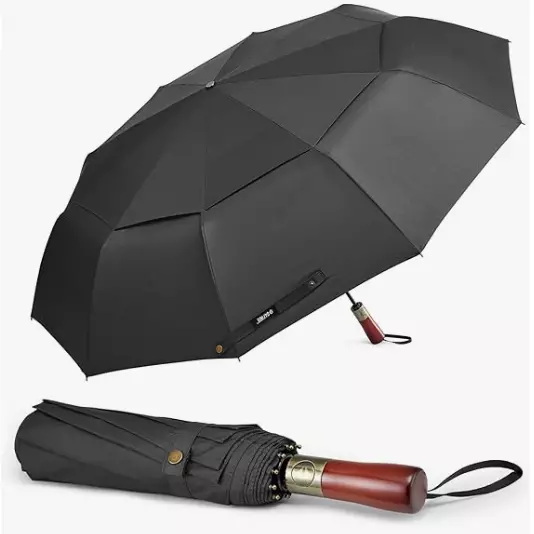
- Tilt joint replacement: Restores tilt range and locking functionality; ensures proper alignment with the hub and rib assembly.
- Rib set replacement: Restores canopy symmetry, tension, and wind resistance; often necessary after repeated stress or impact.
- Crank assembly and gear replacement: Reestablishes reliable lifting and tilting action; may involve replacing bearings and gears with OEM-grade parts.
- Canopy fabric replacement: Maintains UV resistance, color stability, and waterproof performance; ensures consistent shade and appearance.
- Regular lubrication every 2–6 months depending on usage and climate.
- Seasonal inspection of cords, pulleys, and guide tracks; replace worn components promptly.
- Clean canopy with mild soap and water; avoid harsh solvents that damage fabric coatings.
- Store in a dry, sheltered location during off-seasons to reduce material degradation.
- Verify mounting pole diameter and base compatibility with existing frames to avoid structural failure.
- Ensure color and fabric grade align with brand specifications for a cohesive product line.
- Use OEM hardware to preserve warranty terms and performance characteristics.
- Document repair actions with serial numbers and replacement part IDs for traceability and after-sales support.
- Monthly: Quick inspection of tilting operation, cord path, and visible wear points.
- Quarterly: Thorough inspection of hinge assemblies, rivets, and fasteners; lubrication as needed.
- Biannually: Full functionality test, canopy tension check, and fabric condition assessment.
- Annually: Comprehensive replacement planning, including rib sets and tilt joints if wear indicators are present.
- Provide clear operation instructions emphasizing safe cranking and tilt engagement to reduce user misuse.
- Offer maintenance kits with OEM-approved lubricants, repair patches, and replacement cords to extend unit life.
- Provide a simple diagnostic checklist to help clients identify whether the issue is operational or structural.
- Align repair procedures with brand standards to maintain performance parity across product lines.
- Maintain an authoritative parts catalog with cross-references to compatible models and base systems.
- Ensure that post-repair warranty coverage remains valid by following documented OEM procedures.
- Invest in high-quality replacement components designed for weather resistance and long service life.
Proactive diagnosis, high-quality OEM parts, and disciplined maintenance are essential to keep Auto Tilt Umbrellas performing at peak levels in commercial and wholesale contexts. By following the repair workflows, choosing compatible components, and adhering to a structured maintenance schedule, service providers can deliver reliable, high-value solutions that preserve brand integrity, customer satisfaction, and product longevity. Complex repairs should be conducted by trained technicians or authorized service partners to ensure safety and warranty compliance.
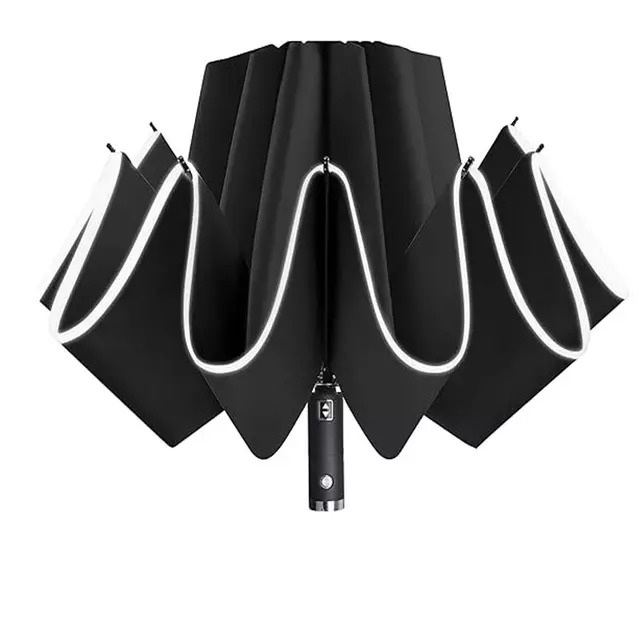
Diagnosis starts with testing crank operation independent of tilt movement; if the tilt joint fails to lock or tilt, the joint is likely the culprit; otherwise, the crank or gear train may be at fault.
Use outdoor-grade fabrics with UV resistance and a compatible adhesive or patch kit designed for the fabric type.
Repairs should be performed when the unit is at rest and secured; heavy wind conditions require removing the canopy and inspecting for structural damage after weather events.
Some parts are cross-compatible in design; however, using OEM-approved parts ensures warranty integrity and performance consistency.
For heavily used installations, monthly quick checks and quarterly thorough inspections are recommended to minimize downtime and extend service life.
[1](https://www.patioproductions.com/blog/how-to/how-to-repair-patio-outdoor-umbrella/)
[2](https://hauserspatio.com/blog/how-to-repair-umbrellas-a-complete-guide/)
[3](https://www.youtube.com/watch?v=R9Ff-iRFEBU)
[4](https://umbrellafellas.com.au/instructions-maintenance/)
[5](https://www.facebook.com/groups/632458750187459/posts/4872184189548206/)
[6](https://www.reddit.com/r/fixit/comments/q36j13/umbrella_trigger_wont_work_anymore_anything_i_can/)
[7](https://www.coohom.com/article/how-to-fix-your-outdoor-umbrella-a-complete-guide)


