
Language
Views: 222 Author: Amanda Publish Time: 2025-11-25 Origin: Site


Content Menu
● The Importance of Proper Folding
● Understanding Folding Umbrella Types
● Preparatory Steps Before Folding
>> Always Dry Your Folding Umbrella First
● Step-by-Step Folding Umbrella Guide
>> Step 2: Align the Ribs and Tips
>> Step 4: Straighten and Pleat the Canopy
>> Step 5: Roll the Folding Umbrella
>> Step 6: Store in Sleeve or Pouch
● Pro Maintenance Tips for Folding Umbrellas
● Folding Techniques for Specialized Umbrellas
>> Automatic Folding Umbrellas
>> Extra Compact and Three-Fold Umbrellas
● Materials Used in Folding Umbrellas
● Common Mistakes in Folding Umbrella Use
● Advanced Tips for Long-Term Umbrella Care
● Repair and Replacement Strategies
● Innovations in Folding Umbrella Design
● Folding Umbrella Safety Tips
● FAQs
>> 1. What's the best way to fold a folding umbrella for storage?
>> 2. Can I use an automatic folding umbrella without manual folding steps?
>> 3. How often should I dry and inspect my folding umbrella?
>> 4. What materials should I look for in a high-quality folding umbrella?
>> 5. Is professional repair recommended for damaged folding umbrellas?
Folding an umbrella may seem straightforward, but doing it right makes a remarkable difference in the umbrella's longevity, functionality, and appearance. Whether you own a manual, automatic, or ultra-compact folding umbrella, proper care ensures you're always prepared for sudden weather and extends the useful life of your trusty rain gear. This detailed guide covers step-by-step folding techniques, essential maintenance tips, and answers to common folding umbrella questions.[9][10]
When folding umbrella owners ignore best practices, they risk bending ribs, encouraging mold, and making the canopy look tired before its time. Neat folding keeps your umbrella easy to store, protects mechanisms, and reduces accidental damage, especially in high-quality OEM folding umbrella models supplied to leading international brands.[10]
Modern folding umbrellas come in several styles, each with features that impact the folding process:
- Manual Folding Umbrellas: Operated with a sliding mechanism, they require direct pressure to close the canopy and shaft.
- Automatic Folding Umbrellas: Feature a button for one-touch open and close, but manual folding is still vital to keep pleats aligned.
- Pocket-Sized Folding Umbrellas: Extremely compact, these require precise folding to fit back into their sleeve without bulging.
Folding umbrella manufacturers use robust yet lightweight materials like aluminum or fiberglass for frames and durable polyester or nylon for canopies, contributing to smooth operation and ease of folding.[3][5]
Moisture is the enemy of every folding umbrella. Even the finest models are vulnerable to rust and mildew if folded wet. Shake off excess water right after use and open your umbrella to air-dry in a cool, shaded spot. Avoid folding if the canopy or ribs still feel damp.[9][10]
Before folding, check the ribs for bends or misalignment. Gently straighten any irregularities. A well-aligned frame is easier to fold and will stay compact inside the storage sleeve, especially for folding umbrellas engineered for frequent use.[5]
For automatic folding umbrellas, press the button to collapse the canopy. For manual designs, gently slide the runner down the shaft. Always avoid forcing the folding umbrella shut, as excessive pressure can damage delicate parts.[10][9]
Gather all the tips of the folding umbrella's ribs into a neat bundle. The goal is to keep the canopy fabric smooth, with no rib poking outward. For pocket umbrellas, this is key to preventing bulging in your bag or pocket.
Manual folding umbrellas require users to push the handle upward until the shaft retracts fully, while automatic versions often allow the shaft to draw in on its own. Do this gently; rapid force can stress the folding umbrella's internal mechanism.[5][10]
Lay the folding umbrella out on a clean surface. Carefully smooth each section of the canopy along its natural folds, forming symmetrical pleats. For umbrellas with more ribs or larger canopies, pay special attention to maintaining even spacing. This step helps preserve the canopy shape and prevents wear along the folding lines.
Rotate the umbrella, following the natural direction of its folding lines. Roll it firmly but gently, keeping pleats tight and evenly distributed. Secure the closing strap around the folded umbrella to lock everything in place.
Slip the tightly folded umbrella into its pouch, ensuring the fabric does not twist or crease excessively. This step greatly extends the folding umbrella's longevity, especially when traveling or commuting in damp climates.
Quality folding umbrella care is about more than just neat folds. Here's how to maximize performance and lifespan:
- Store your folding umbrella in a cool, dry location. Avoid leaving it in direct sunlight or a hot car, which can weaken canopy fibers and fade colors.[10]
- Never use a folding umbrella as a walking stick; doing so can bend the shaft and damage opening mechanisms.
- Regularly inspect hinges, runners, and closing mechanisms. Promptly address stiff movement or misaligned ribs.
- Clean the canopy with a damp cloth, using mild soap for stains. Avoid harsh chemicals that weaken water-repellent coatings.
- Lubricate metal joints sparingly with silicone spray to maintain easy opening and closing.
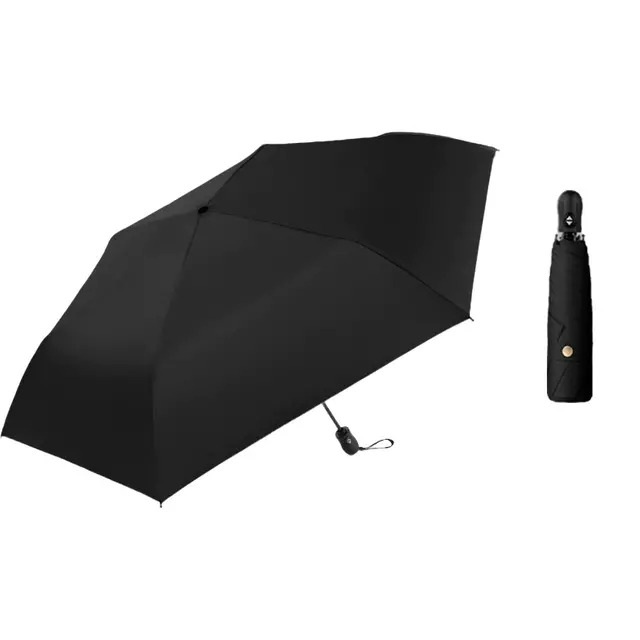
While automatic versions simplify the opening and closing process, the final folding steps are crucial. Always gently align pleats and ribs before strapping the umbrella for storage. This ensures your automatic folding umbrella remains slim, neat, and ready for use without damage.[11]
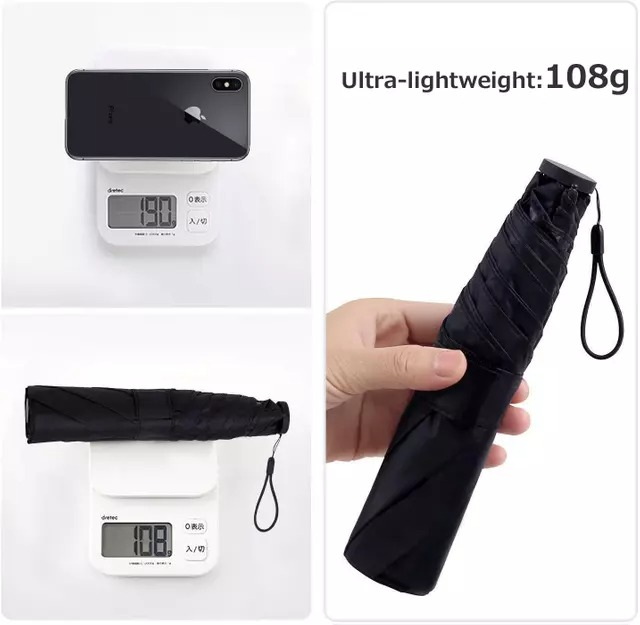
Miniature folding umbrellas usually feature extra folds and ribs, demanding careful pleating and rolling. Manufacturers often design three-fold mechanisms to fold into ultra-compact sizes, ideal for travel. Always follow the directions above for rib alignment and canopy smoothing to avoid a misshapen result.[5]
Most contemporary folding umbrella manufacturers opt for:
- Aluminum or Steel Shafts: Lightweight and rust-resistant, they allow for smooth telescoping action.
- Fiberglass Ribs: Provide flexibility and strength, resisting breakage during folding or strong winds.
- Polyester and Nylon Canopies: Durable, water-repellent fabrics designed to withstand frequent opening and folding without losing shape.
- Plastic, Resin, or Metal Joints: Connect canopy and shaft, offering robust support for repeated folding.[3][5]
Attention to materials and design ensures folding umbrellas withstand regular use and harsh outdoor conditions.
Learning to fold your umbrella properly helps prevent common pitfalls:
- Folding while wet encourages rust and mildew growth.
- Incorrect rib alignment leads to bent parts and eventual structural failure.
- Forcing a closed umbrella into its sleeve ruins the canopy and makes future folding impossible.
- Ignoring loose or stiff mechanisms can escalate minor issues into functional failures.
- Allow your folding umbrella to air-dry fully open after heavy usage. Never fold and store if damp.
- Travel often? Choose a folding umbrella with premium spring-loaded or telescopic mechanisms designed for frequent opening and closing.
- If storage space is tight, opt for extra-compact folding umbrellas—just ensure you follow precise folding steps to maximize storage without sacrificing coverage.
Even with careful folding, accidents and heavy winds can damage your folding umbrella. Here's what to do:
- Examine the ribs closely—many folding umbrella ribs are replaceable or repairable with small parts kits offered by manufacturers.
- If the canopy tears, patch it with specialized waterproof adhesive or fabric tape to stave off water intrusion until a replacement is possible.
- Consider professional umbrella repair services for major issues, especially for luxury or branded folding umbrella products.
Modern folding umbrella technology has come a long way. Advanced scissor frameworks and expandable rib designs offer increased surface coverage and compact foldability, making high-end folding umbrellas more functional and stylish than ever before. Some models now include:[2][5]
- Quick-release locking systems for one-handed closing.
- Multi-fold ribs for ultra-compact size.
- Enhanced wind resistance via flexible, lightweight construction.
- Water-repellent and UV protection coatings integrated into canopy fabrics.
Proper folding remains essential for all these innovative models to ensure smooth operation and durability.
Never open or close a folding umbrella too forcefully. Sudden movements can dislodge ribs and cause snapping, especially in automatic models. Teach children to fold their umbrellas gently and always inspect for trapped fingers before securing the closing strap.
Mastering the art of folding an umbrella properly protects your investment, preserves its appearance, and ensures top-notch performance whenever you need weather protection. Whether you rely on manual, automatic, or ultra-compact folding umbrellas, taking a few extra seconds to fold neatly, store correctly, and maintain regularly guarantees a longer, more effective life for your folding umbrella. Respecting the folding process and caring for your rain shield just might be the most valuable habit you develop this rainy season.
Always gently align canopy pleats and ribs, roll the umbrella evenly, and secure the holding strap before placing it inside the sleeve. Never force a wet or misaligned folding umbrella into storage.
The automatic button helps collapse the canopy and sometimes the shaft, but manual pleat alignment and rolling are essential to keep your folding umbrella slim and undamaged.[11]
Dry and inspect after every use, especially if it's been exposed to rain or debris. Prompt attention to dampness or bent ribs maintains folding umbrella longevity.
Seek folding umbrellas with aluminum or steel shafts, fiberglass ribs, and waterproof polyester or nylon canopies. Robust materials make frequent folding easier and more reliable.[3][5]
For luxury or branded folding umbrellas, professional repair services are advisable for extensive rib or canopy damage. Small repairs (such as patching fabric) can often be done at home using the correct adhesive or tape.
[1](https://www.sciencedirect.com/science/article/abs/pii/S0143974X25002342)
[2](https://patents.google.com/patent/US6354315B1)
[3](https://www.umbrellaworkshop.com/umbrellas/parts-of-an-umbrella/)
[4](https://www.semanticscholar.org/paper/A-Foldable-Umbrella-Structure-%E2%80%93-Developments-and-Jaksch-Sedlak/0dc673f47102d673fa0dea8ed05227eaba87626f)
[5](https://www.ijfmr.com/papers/2023/6/9222.pdf)
[6](https://julianpanetta.com/pdf/umbrella_meshes.pdf)
[7](https://ojs.ijosi.org/index.php/IJOSI/article/download/251/373/2385)
[8](https://www.diva-portal.org/smash/get/diva2:1534542/FULLTEXT01.pdf)
[9](https://www.papercranesdesign.co/blogs/news/a-step-by-step-guide-to-folding-your-compact-umbrella-neatly)
[10](https://www.fultonumbrellas.ca/how-to-fold-umbrella/)
[11](https://www.youtube.com/watch?v=LKmF7Kbu1mc)


