
Language
Please Choose Your Language
Views: 222 Author: Amanda Publish Time: 2025-12-18 Origin: Site


Content Menu
● Why Fold Your Raincoat Into Its Pocket?
● Check If Your Raincoat Has a Stuff Pocket
● Preparation Before Folding Your Raincoat
● Method 1: Folding Raincoat Into Its Own Pocket (Packable Design)
>> Step 1: Lay the Raincoat Front‑Up
>> Step 2: Identify and Invert the Stuff Pocket
>> Step 3: Fold Sleeves Into the Body
>> Step 4: Fold the Raincoat Lengthwise Toward the Pocket
>> Step 5: Stuff the Raincoat Into the Pocket
>> Step 6: Zip or Snap the Pocket Closed
● Method 2: Folding Raincoat Into a Pocket Without Built‑In Stuff Pouch
>> Step 1: Lay the Raincoat Back‑Up
>> Step 2: Fold Sleeves Across the Back
>> Step 3: Fold Sides Toward the Center
>> Step 4: Fold From Hem Toward Pocket
>> Step 5: Open and Pack the Pocket
>> Step 6: Secure the Raincoat Bundle
● Method 3: Ranger Roll Raincoat Into a Pocket
>> Step 1: Fold Bottom Hem Into a Cuff
>> Step 3: Roll From Top to Bottom
>> Step 4: Lock the Roll With the Cuff
>> Step 5: Place the Roll Into Pocket or Hood
● Method 4: Folding Raincoat Into the Hood as a “Soft Pocket”
>> Step 1: Lay Raincoat Face‑Down
>> Step 2: Fold Sleeves and Sides
>> Step 3: Roll From Hem Toward Hood
>> Step 4: Pack the Roll Into the Hood
>> Step 5: Use Hood Bundle Like a Pocketed Raincoat
● Tips to Protect Your Raincoat While Folding
● When to Choose Fold vs Roll for Your Raincoat
● OEM and Branding Ideas for Packable Raincoat Designs
● Extra Practical Tips for Everyday Raincoat Use
● Common Mistakes to Avoid When Folding a Raincoat
● Long‑Term Care After Folding and Storing
● FAQs
>> 1. How do I know if my Raincoat can fold into its own pocket?
>> 2. Will folding my Raincoat into a pocket damage the waterproofing?
>> 3. Is it better to roll or fold a Raincoat for packing?
>> 4. Can I fold a long trench‑style Raincoat into a pocket?
>> 5. How should I store my Raincoat when I am not traveling?
Folding a raincoat into its pocket keeps the Raincoat compact, easy to carry, and ready for sudden showers. A well-folded Raincoat also protects the waterproof fabric, zippers, and seams so the Raincoat stays effective for many seasons.
Packing a Raincoat into its pocket reduces bulk in backpacks, handbags, and luggage while keeping the Raincoat clean and organized. Many modern Raincoat designs are specifically engineered as “packable” or “stowaway,” with a pocket that doubles as a built‑in storage pouch.
A compact Raincoat in its pocket is ideal for commuting, travel, hiking, and OEM promotional projects where a branded Raincoat pouch can be given to end users as a value‑added feature. Brands and wholesalers often market these packable Raincoat designs as space‑saving, lightweight, and convenient options for everyday carry.
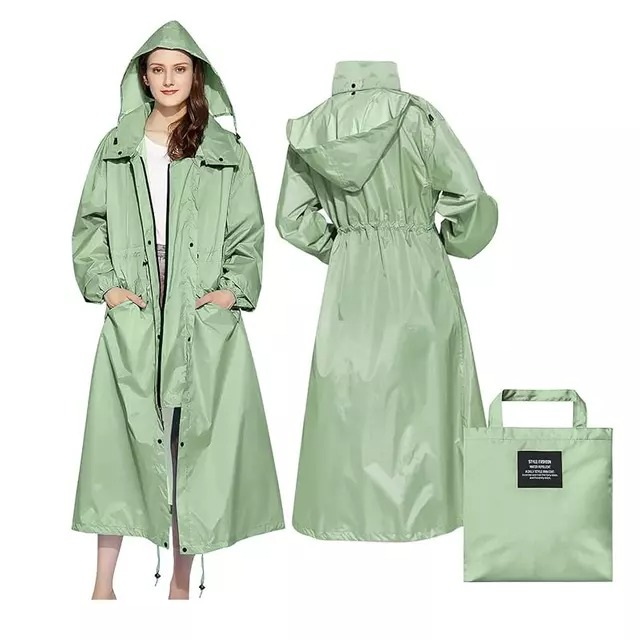
Before folding your Raincoat into its pocket, confirm which pocket is designed as the “stuff pocket.” Some Raincoat styles have a small printed icon or label inside the pocket indicating that the Raincoat can be stowed there. Others use a double zipper on a hand pocket or chest pocket, which allows you to turn the pocket inside out and zip the Raincoat into itself.
If your Raincoat has no dedicated stuff pocket, you can still fold the Raincoat into a compact bundle and tuck it into a regular pocket or hood, using the same methods described below. In these cases, choose the largest pocket or the hood so you do not overstress seams or waterproof zippers on your Raincoat.
Always start with a clean, dry Raincoat to avoid trapping moisture or dirt inside the pocket, which can damage the waterproof coating. If the Raincoat is wet, shake off excess water and hang it briefly until it feels only slightly damp on the surface.
Lay the Raincoat flat on a clean surface such as a table, bed, or dry floor, with all zippers closed and the hood smoothed out. Closing snaps, flaps, and pit zips helps the Raincoat stay compact and prevents straps from snagging when stuffed into the pocket.
This method works best for a packable Raincoat with a designated stuff pocket, often on the left hand side or chest. Follow these steps when your Raincoat label specifically mentions “stows into its own pocket.”
Lay the Raincoat flat with the front side facing up, zip fully, and smooth out the fabric to remove major wrinkles. Straighten the hood and hem so the Raincoat body forms a neat rectangle.
Locate the pocket with double zipper pullers or a “packable” icon; unzip and turn that pocket inside out so it sticks out like a small pouch from the Raincoat. Make sure the corners of this Raincoat pocket are fully pushed out so the pouch is open and ready to receive the rest of the garment.
Fold one sleeve diagonally across the Raincoat body, then repeat with the other sleeve, creating a straight‑sided rectangle slightly narrower than the main body of the Raincoat. Folding sleeves flat and inward prevents the Raincoat from forming bulky lumps inside the pocket.
Fold the hem of the Raincoat upward toward the stuff pocket in one or two long folds, depending on the Raincoat length. Aim to end up with a compact rectangle just slightly larger than the pocket itself so the Raincoat slides in snugly without stressing seams.
Place the folded Raincoat directly over the open stuff pocket and begin tucking fabric into the pouch a little at a time using your fingers or a flat palm. Keep smoothing and pushing corners into the Raincoat pocket so no air pockets remain and the final package is dense but not overcompressed.
Once the entire Raincoat is inside, zip or snap the pocket closed, ensuring no fabric is caught in the zipper teeth. You should now have a compact Raincoat cube or rectangle, often with a small handle or loop for clipping to backpacks or keychains.
If your Raincoat does not have a dedicated stuff pocket, you can still fold it into a regular pocket or even the hood using a similar method. This works well for many travel Raincoat designs and OEM Raincoat models that are simple shell jackets.
Place the Raincoat with the back facing up and zip closed to keep it flat. Smooth out the hood and body so your Raincoat lies as evenly as possible.
Fold one Raincoat sleeve diagonally toward the opposite side, then fold the cuff back down to create a triangle shape; repeat with the other sleeve. Tucking the sleeves in tightly keeps the Raincoat compact and prevents long arms from unraveling once in the pocket.
Fold the left side of the Raincoat in toward the center, then the right side, so the edges meet or slightly overlap in the middle. Adjust the folds so the Raincoat width roughly matches the width of your chosen pocket or hood.
Starting from the bottom hem, fold the Raincoat upward in two or three sections until the folded bundle sits directly above your target pocket. The idea is to create a Raincoat block that can be “stuffed” straight down into the pocket without bending excessively.
Open the Raincoat pocket fully, then use one hand to hold the pocket while the other hand stuffs the folded bundle into the pocket little by little. Push the corners of the Raincoat deeply into the corners of the pocket so the Raincoat fits snugly and evenly.
Close the zipper, snap, or flap, then gently press the packed Raincoat to shape it into a neat rectangle or oval. Avoid sitting on or heavily compressing the Raincoat, as this can crease membrane layers or damage seam tape over time.

The “ranger roll” is a popular technique adapted from military packing to compress a Raincoat into a tight roll that can then be tucked into a pocket or hood. It is especially useful for thin shell Raincoat designs used for hiking, cycling, or motorcycle riding.
Lay the Raincoat front‑up, zip closed, and fold the bottom hem back on itself to create a cuff of about 8–10 cm. Smooth the cuff so the Raincoat fabric lies flat; this cuff will later wrap around the entire Raincoat roll.
Fold the right side of the Raincoat inward about one‑third, aligning it with the edge of the hood or zipper; then fold the sleeve straight down along the body. Repeat with the left side, so both sides meet in the center and overlap slightly, keeping the Raincoat long and narrow.
Rotate the Raincoat so the hood is now farthest from you and the cuff edge is closest to you. Starting at the hood, roll the Raincoat tightly toward the cuff, pressing with your palms to expel air and keep the Raincoat roll firm.
When the Raincoat roll reaches the cuff, slide your fingers inside the cuff and pull it over the roll like a sleeve, trapping the Raincoat roll inside. You now have a compact Raincoat cylinder that will not easily unravel, ready to slide into a pocket, hood, or packing cube.
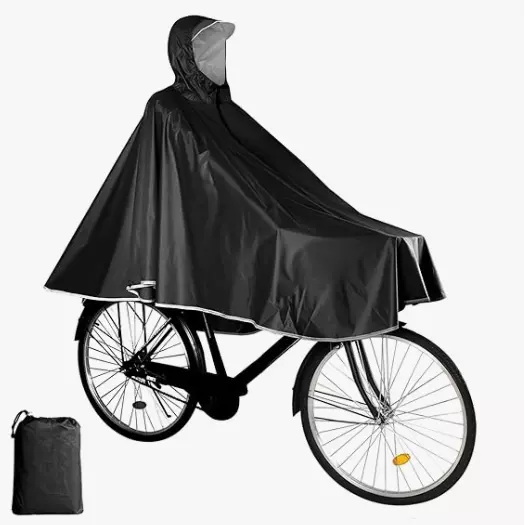
If your Raincoat pocket is large enough, insert the ranger‑rolled Raincoat inside and close the zipper; if not, tuck the roll into the hood and secure it with an elastic or strap. This method is common for motorcycle or cycling Raincoat sets that must fit into very small compartments.
Some Raincoat designs lack large pockets but have a roomy hood that can act as a “soft pocket.” This method is gentle on the Raincoat fabric and ideal when you want a slightly larger, softer bundle instead of a hard cube.
Place the Raincoat with the back facing up and the hood at the top, smoothing out the entire garment. Make sure the hood is fully extended and not tucked into a collar compartment.
Fold the sleeves inward across the back of the Raincoat, then fold the sides toward the center to form a long rectangle narrower than the hood. Adjust folds so the Raincoat rectangle aligns with the hood width.
Starting at the bottom hem, roll the Raincoat tightly upward until the roll reaches the base of the hood. Keep the roll as even as possible to avoid bulging one side of the Raincoat hood.
Open the hood with both hands and flip it over the Raincoat roll, tucking the roll completely into the hood cavity. Cinch the hood drawcord gently or use any attached strap to secure the Raincoat roll inside.
You now have a soft Raincoat bundle similar to a stuffed pillow, which can be placed in a bag or strapped to a pack. This hood‑as‑pocket method is popular for heavy Raincoat smocks and long anoraks that do not have large internal stuff pockets.
To prolong the life of your Raincoat, avoid folding or rolling it when heavily soaked and muddy; instead, air‑dry first. Compressed moisture can damage DWR coatings, encourage mildew, and weaken adhesives used on seam tape inside the Raincoat.
Do not store a Raincoat tightly compressed in its pocket for long periods; relax the Raincoat on a hanger between trips so the membrane and fabric can recover. When folding a premium technical Raincoat, use smooth, broad folds rather than sharp creases to protect laminated layers like high‑end waterproof membranes.
Flat‑folding a Raincoat into a pocket produces a neat, rectangular package that stacks well in luggage or on store shelves. This method is ideal for OEM Raincoat packaging where consistent shape and appearance matter.
Rolling a Raincoat into a pocket (ranger roll or similar) often saves more space and prevents the Raincoat from unfolding inside a backpack or saddlebag. Travelers, motorcyclists, and hikers frequently prefer rolled Raincoat bundles because they are dense, stable, and quick to deploy.
For brands and wholesalers, specifying a Raincoat with an integrated stuff pocket creates a premium feel and practical value. Labels inside the Raincoat pocket with simple diagrams can show users exactly how to fold the Raincoat into the pocket, reducing returns from damaged storage.
OEM factories can offer custom pocket shapes, zipper pulls, hangtags, and printed instructions so each Raincoat becomes a compact branded pouch when folded. Adding a webbing loop or carabiner to the Raincoat pocket allows users to clip the Raincoat to backpacks, belts, or bikes, increasing daily visibility for the Raincoat logo.
A Raincoat that folds easily into its pocket is more likely to be carried every day, because users know it will not take much space. Encourage users to fold the Raincoat after each use so it becomes a natural habit instead of a difficult chore.
For commuters, keeping one Raincoat pouch in a work bag, one in the car, and one at home ensures there is always a Raincoat available when a storm hits. For travelers, packing a bright‑colored Raincoat in its pocket helps with visibility in crowded streets or on hiking trails.
One common mistake is forcing too much Raincoat fabric into a small pocket and pulling the zipper; this can break the zipper or damage seam tape. Always adjust the folds first so the Raincoat bundle matches the pocket size instead of stretching the pocket.
Another mistake is folding a dirty Raincoat straight into its pocket, which can trap grit, oils, and pollutants against the waterproof membrane. Light cleaning and quick drying before folding will keep the Raincoat looking fresh and protect its performance in heavy rain.
After a trip, remove the Raincoat from its pocket and inspect the fabric, seams, and zippers for any signs of wear. If water no longer beads on the Raincoat surface, a fresh DWR treatment can restore water repellency.
Store the Raincoat lightly folded or on a hanger in a cool, dry place away from direct sunlight. Good long‑term storage between folding cycles helps any Raincoat maintain flexibility, color, and waterproof function.
Folding a Raincoat into its pocket is a simple skill that keeps your Raincoat compact, protected, and ready whenever the weather changes. Whether your Raincoat has a built‑in stuff pocket, uses the hood as a soft pocket, or relies on a ranger roll, the key is consistent folding that respects the Raincoat's fabric, membranes, and seams.
Travelers, commuters, outdoor enthusiasts, brands, and OEM customers all benefit when a Raincoat can be stored in a small, neat package without losing waterproof performance. By following the methods in this guide and combining them with good drying and storage habits, any Raincoat can stay clean, packable, and reliable for many rainy seasons.
Many modern Raincoat styles include a label, printed icon, or hangtag that states “stows into pocket” or “packable.” You can also check for a double‑zip hand pocket or chest pocket, which is a common sign that the Raincoat is designed to fold into that pocket. If you are unsure, try gently turning the pocket inside out; if it forms a neat pouch and the Raincoat fits without force, it is likely intended as a stuff pocket.
Folding a Raincoat into its pocket occasionally will not usually harm the waterproof membrane, as long as the Raincoat is dry and not stored compressed for very long periods. The bigger risks are trapping moisture or dirt inside the pocket and creating sharp creases, so always dry the Raincoat and use smooth folds. For long‑term storage, keep the Raincoat on a hanger instead of inside the pocket.
Rolling a Raincoat, especially with a ranger roll, usually creates a tighter, more stable bundle that fits easily into small pockets, panniers, and backpacks. Flat‑folding a Raincoat creates a tidy rectangle that stacks better in suitcases or on retail shelves, so the best method depends on how you plan to carry the Raincoat. Many users combine both: flat‑fold for home storage and roll for travel or outdoor use.
A long trench‑style Raincoat can be folded into a pocket if the pocket is large enough or if the Raincoat is designed with an oversized stuff pouch. If the pockets are small, it is often more practical to fold or roll the Raincoat and store it in the hood or in a separate drawstring bag instead of forcing it into a tight pocket. For OEM projects, specifying a dedicated stuff sack or extra‑large inner pocket makes trench‑style Raincoat storage much easier.
Outside of trips, it is best to store a Raincoat on a hanger or folded loosely on a shelf so the fabric and waterproof membrane can relax. Avoid leaving the Raincoat tightly compressed in its pocket for months, because this can flatten DWR coatings and stress seam tape, reducing the Raincoat's long‑term performance. A quick rinse, air‑dry, and gentle storage routine will keep your Raincoat ready for the next rainy season.


