
Language
Please Choose Your Language
Views: 222 Author: Amanda Publish Time: 2025-11-02 Origin: Site


Content Menu
● Understanding the Folding Umbrella: Parts and Mechanisms
● Why Neat Folding Is Critical
● Types of Folding Umbrella and Their Unique Traits
● Step-by-Step Guide: How to Fold Umbrella Neatly
>> Step 1: Shake Off Excess Water
>> Step 2: Prepare to Collapse the Canopy
>> Step 3: Align All Canopy Panels
>> Step 4: Collapse the Ribs Carefully
>> Step 5: Roll and Wrap the Canopy
>> Step 6: Secure with Closure Strap
>> Step 7: Slip into the Protective Sleeve
● Expert Folding Tips for Every Umbrella User
● Detailed Folding Methods by Umbrella Type
>> Folding a Manual Folding Umbrella
>> How to Fold an Automatic Folding Umbrella
>> Caring for Pocket Folding Umbrellas
>> Storing Golf Folding Umbrellas
● Common Folding Mistakes and How to Avoid Them
● How Manufacturers Recommend Folding
● Umbrella Maintenance: Keeping Your Folding Umbrella Like New
● The Benefits of Proper Folding
● Unique Features of Modern Folding Umbrellas
● Troubleshooting Folding Issues
● Why Proper Folding Is Essential for OEM Clients
● FAQ
>> 1. How do you properly fold a golf folding umbrella?
>> 2. What's the best way to fold an automatic folding umbrella?
>> 3. How can I prevent rust or mold in my folding umbrella?
>> 4. Why won't my folding umbrella fit back in its sleeve?
>> 5. What unique features do modern folding umbrellas provide?
In modern life, the folding umbrella has become an indispensable tool, valued for its convenience, compact size, and protection from the elements. Whether caught in a sudden downpour or shielding yourself from the harsh summer sun, a neatly folded umbrella is essential for both comfort and style. However, the true test of umbrella ownership isn't just its initial use, but how effectively you fold and store it after use. This in-depth guide will teach you how to fold umbrella neatly, keep your folding umbrella looking brand-new, and maximize its lifespan—perfect for consumers, brands, and manufacturers alike.[1][3][5]
Every folding umbrella, regardless of brand or style, consists of carefully engineered components. Understanding these parts can help you fold an umbrella correctly and confidently:
- Shaft or Pole: The backbone of the folding umbrella, usually made from steel, fiberglass, aluminum, or wood. Telescopic shafts provide collapsibility for ultra-portable designs.
- Ribs and Stretchers: The frame supporting the canopy. Ribs must remain aligned during folding to ensure a compact shape and prevent damage.[2][6]
- Runner: The sliding mechanism used to open or close the folding umbrella; smooth operation prevents stress on joints.
- Canopy Panels: The protective fabric sections forming the top of the umbrella. Proper pleat alignment is crucial.
- Closure Strap and Sleeve: Used to secure and store the folded umbrella neatly.[6]
A folding umbrella's longevity and appearance rely on maintaining these components during every use.
Many umbrella users disregard careful folding, which leads to:
- Misshapen or bulky umbrellas
- Difficulty returning the umbrella to its case
- Damaged or bent frames
- Increased risk of mold or unpleasant odors
By mastering neat folding techniques, you not only protect your investment but showcase your attention to detail—a point especially valued by overseas brands, wholesalers, and consumers seeking quality OEM folding umbrella products.[5][1]
Folding umbrellas come in diverse forms. Here's what distinguishes the most common types:
These require manual operation to both open and close. Precise alignment during folding is especially important, as improper collapsing can stress the ribs and fabric.[1]
A single button opens and collapses the umbrella, but correct closure technique remains essential, especially for aligning the segments and avoiding fabric bunching.[3]
Ultra-compact and ideal for travel, this type demands extra care in panel alignment, as the fabric and ribs are usually more delicate. Tension in tight spaces requires a mindful fold.[5]
Larger and more robust, often with reinforced fiberglass ribs for wind resistance. Neat folding ensures the umbrella retains its shape and doesn't become bulky in its sleeve.[2]
Understanding these differences allows users and manufacturers to tailor care instructions for every folding umbrella sold.
Before folding your umbrella, gently shake it to remove water droplets. This crucial step prevents water from soaking into the fabric seams, reducing mildew and unpleasant smells. For folding umbrella users in humid or rainy regions, never skip this step.[5]
Hold the umbrella upright and check for tangles or dislocated ribs. If your folding umbrella is automatic, press the button to close it fully, listening for the click that signals all segments have retracted. For manual models, slowly slide the runner down the shaft to close.[3]
Lay the umbrella on a flat surface or hold it upright. Use your fingers to smooth out the canopy and line up each panel along the original pleats from manufacture. This keeps the folding umbrella compact and prevents unsightly wrinkles.[1][5]
Ensure all ribs are neatly gathered. Hold them together in one hand, checking for any wayward segments or misshapen tips. Never force the ribs or twist the frame, as this can cause permanent misalignment.[3][5]
With ribs held together, use your other hand to gently wrap the fabric around the shaft. Start at the top, rolling in a tight, even spiral as you move toward the handle. The goal is a slim, cylindrical folding umbrella shape that slides easily into its case.[1][5]
Once rolled, fasten the closure strap or band around the folding umbrella. This keeps the canopy tight and prevents it from springing open in your bag or during transit.[6][1]
Insert your neatly folded umbrella into its sleeve or protective case. If the umbrella is still damp, leave the case open to allow for air circulation and prevent mold build-up.[6]
- Always fold along the umbrella's original pleat lines; tactile feedback can help you feel these as slight ridges in the fabric.
- For two-, three-, and five-fold umbrellas, ensure each section is fully collapsed before rolling.
- Avoid twisting the frame—fold the canopy gently, using two hands for even tension.
- If the folding umbrella feels stuck or resists folding, check for tangled fabric or bent ribs before proceeding.
- Never store a folding umbrella while still wet—air drying before casing ensures no unexpected damage.
1. Close the canopy smoothly.
2. Gather and align the ribs.
3. Use both hands to roll the fabric tightly around the pole.
4. Fasten the strap securely.
5. Insert into a sleeve or storage pouch.
1. Close automatically; ensure ribs fully collapse.
2. Align panels and pleats by smoothing fabric.
3. Wrap the canopy tightly before securing with the strap.
4. Always check that ribs are straight to prevent future malfunctions.[3]
- Pocket folding umbrellas are convenient but often feature thinner frames. Always smooth out each pleat to avoid bunching when rolling the umbrella.
- When folding after rain, let the umbrella air dry partially before storing in its sleeve to avoid rust and mildew.[5]
- Because of their size, these umbrellas benefit from upright storage after folding.
- After wet use, dry thoroughly and fold precisely along creases to avoid bulk in bags.
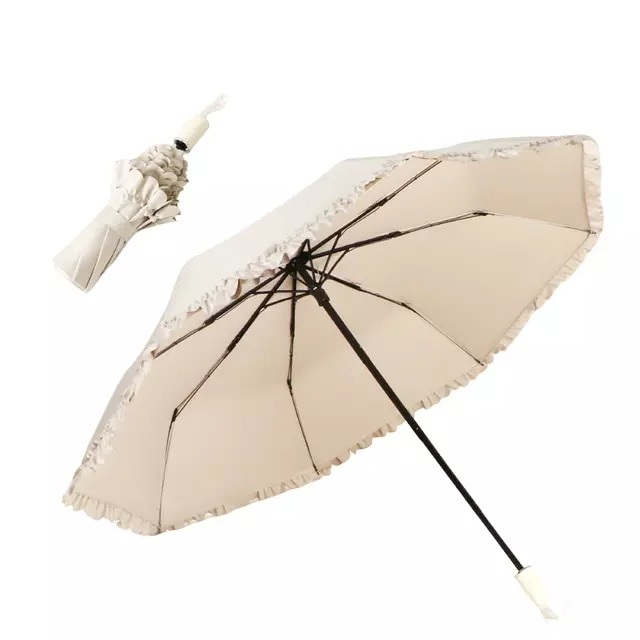
- Folding the umbrella while it is still wet can result in mildew, mold, and odors. Always let it air dry before storing.
- Forcing or twisting the frame when closing will damage the ribs.
- Forgetting to align the panels and ribs leads to a bulky, misshapen folding umbrella.
- Over-tightening the closure strap can cause fabric creases or long-term damage, while leaving it loose means the umbrella may open accidentally in your bag.
Quality OEM umbrella manufacturers recommend always folding the canopy along factory-made creases and using both hands for better control. Regularly check all moving parts for wear, and replace closure straps if they lose elasticity. OEM products shipped overseas are often supplied with step-by-step folding diagrams because proper usage ensures product durability and customer satisfaction.[2][6]
- Always air dry your umbrella open if it becomes wet. This habit extends fabric and frame life.
- Regularly inspect the stitching and ribs for signs of wear or bending.
- Store the folded umbrella in a cool, dry place, out of direct sunlight.
- Use manufacturer-provided cases for maximum protection.
- If your folding umbrella develops resistance in the folding process, lubricate the shaft or runner gently.
These simple practices will extend your umbrella's life and guarantee trouble-free operation every time.
A well-folded umbrella not only saves space but reflects positively on its user and the manufacturer. Benefits include:
- Maximized lifespan of the folding umbrella
- Enhanced appearance for brand professionalism
- Ease of carrying and storage
- Prevention of accidental damage to bag contents
- Higher likelihood of repeat purchases for manufacturers and brands offering clear care instructions
For importers and vendors, disseminating proper folding education boosts the reputation of Chinese umbrella OEM suppliers worldwide.
Umbrella technology continues to advance, and today's folding umbrella options include:
- Wind-resistant frames with reinforced fiberglass ribs
- UV-protective, fast-drying canopies
- Ergonomic handles and automatic open/close buttons
- Ultra-lightweight aluminum or carbon frames for easy carriage
- Custom sleeves for branding and added protection
These enhancements make folding umbrella care easier than ever—and correct folding preserves all these intended benefits for end users.
If your folding umbrella resists closure or feels jammed, follow these steps:
- Check for fabric caught in the ribs or runners.
- Inspect the tips for signs of metal fatigue or bending.
- Align all pleats and use gentle, even pressure when folding.
- Never force the frame—seek professional repair if you notice broken ribs or persistent mechanical resistance.
For buyers, brand-owners, and importers purchasing folding umbrellas from a Chinese manufacturer, clear care instructions—including folding tips—reduce customer complaints and product returns. Visual instructional guides, easily customized for overseas clients, can be included with shipments to ensure every folding umbrella reaches a satisfied user.
Folding an umbrella neatly is both a skill and a habit that delivers significant dividends—improved product durability, greater user convenience, and enhanced brand reputation. Whether you use a manual, automatic, pocket, or golf folding umbrella, applying these expert folding and care tips ensures your umbrella will serve reliably season after season. For manufacturers and global partners, investing in clear care guidance and robust product design sustains a reputation for excellence in the highly competitive folding umbrella market.
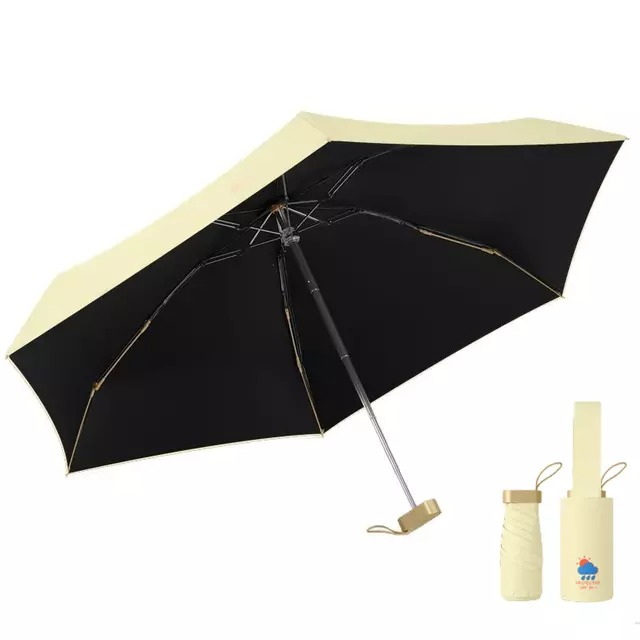
Golf folding umbrellas require careful pleat alignment due to their size. Collapse the canopy, align the panels and ribs, wrap the umbrella tightly, and secure with the closure strap. Store upright when possible for best results.[2]
After closing the umbrella with the automatic button, align all pleats and wrap the canopy diligently. Use the strap to secure the umbrella before placing it in its case for lasting performance.[3]
Always shake off water, air dry fully after use, and never store while even slightly damp. A dry umbrella remains functional and fresh-smelling.[5]
Most often, misaligned fabric panels or bunching during rolling causes bulkiness. Carefully align and roll the canopy, and do not force the umbrella into the sleeve—this will keep your folding umbrella slim and easy to store.[1]
Many folding umbrellas now feature wind-resistant frames, UV-protective fabric, ergonomic handles, and lightweight construction for enhanced portability and durability—all benefiting from careful folding practices.[6][2]
[1](https://www.papercranesdesign.co/blogs/news/a-step-by-step-guide-to-folding-your-compact-umbrella-neatly)
[2](https://www.umbrellaworkshop.com/umbrellas/parts-of-an-umbrella/)
[3](https://smart.dhgate.com/the-ultimate-guide-to-folding-an-automatic-umbrella-neatly-and-effortlessly/)
[4](https://insights.made-in-china.com/Umbrellas-A-Comprehensive-Guide-to-Understanding-Their-Uses-and-Meeting-User-Needs_KTHabZtxOnio.html)
[5](https://tutuhome.shop/tutu-stories/how-to-properly-fold-a-pocket-umbrella/)
[6](https://www.funumbrella.com/blog/the-ultimate-guide-to-umbrella-parts-and-materials)
[7](https://www.slideshare.net/slideshow/the-ultimate-guide-for-umbrella-material/133845846)
[8](https://journals.sagepub.com/doi/abs/10.1260/0266-3511.26.1.1)


