
Language
Please Choose Your Language
Views: 222 Author: Amanda Publish Time: 2025-12-04 Origin: Site


Content Menu
● Why Your Beach Umbrella Won't Stay
● Step 1: Choose the Right Spot on the Beach
● Step 2: Prepare the Sand and Dig Deep
● Step 3: Use a Sand Anchor or Screw Base
● Step 4: Insert and Angle the Beach Umbrella Correctly
● Step 5: Add Extra Weight with Sandbags and Gear
● Step 6: Secure with Ropes or Guy Lines
● Step 7: Adjust Height and Canopy for Wind
● Step 8: Choose a Better Beach Umbrella Design
● Safety Tips for Using a Beach Umbrella
● Maintenance Tips to Make Your Beach Umbrella Last Longer
● OEM Beach Umbrella Solutions for Brands and Wholesalers
● FAQs
>> 1. How deep should I put my Beach Umbrella in the sand?
>> 2. Do I really need a sand anchor for my Beach Umbrella?
>> 3. Which way should I angle my Beach Umbrella?
>> 4. How can I keep my Beach Umbrella from moving when the wind changes?
>> 5. What type of Beach Umbrella is best for windy beaches?
A Beach Umbrella will stay securely in place when you combine the right location, deep anchoring, smart angling into the wind, and, if needed, extra weights and tie-downs. With a properly installed Beach Umbrella, you gain stable shade, better UV protection, and a safer experience for everyone on the beach.[1][6][7]
A Beach Umbrella often fails because it is pushed straight into loose, dry sand without enough depth or support. When gusts hit a poorly anchored Beach Umbrella, the canopy acts like a sail and lifts the pole out of the sand.[6][7][8][1]
- Dry, fluffy sand has weak holding power and cannot grip the Beach Umbrella pole firmly.[4][1]
- A vertical, fully open Beach Umbrella catches more wind and is easier to flip or send flying down the beach.[7][6]
- Lack of anchors, sandbags, or weights means the Beach Umbrella relies only on sand friction, which is not enough in strong wind.[2][5]
Understanding these causes is the first step to choosing better techniques so your Beach Umbrella stays where you put it.[1][6]
Before you open your Beach Umbrella, select a stable, safe location. The goal is to find sand that can hold weight without shifting too easily under pressure.[5][4][6][1]
- Look for flat, debris‑free sand away from steep slopes and soft dunes so your Beach Umbrella has a balanced base.[5][6]
- Slightly moist, compact sand—often found a bit above the waterline—provides much better grip for a Beach Umbrella pole than dry surface sand.[4][1]
- Avoid setting up your Beach Umbrella in obvious wind tunnels between buildings or dunes, where gusts concentrate and become stronger.[6][1]
A good spot not only keeps your Beach Umbrella stable but also makes it easier to adjust shade as the sun moves across the sky.[5][6]
Once you pick the location, prepare the sand so it can support your Beach Umbrella. Depth and compaction are critical because they create a strong foundation.[8][1][4][6]
- Brush away the top layer of loose sand until you reach darker, slightly damp sand, which has more holding power for your Beach Umbrella.[9][4]
- Dig a hole about 18–24 inches deep for the lower pole or anchor; deeper placement greatly improves Beach Umbrella stability.[7][8]
- When you refill the hole around the pole, pack the sand tightly with your hands and feet to lock the Beach Umbrella in place.[1][4]
Some beach experts also recommend gently rocking the pole after insertion so the sand settles snugly around the Beach Umbrella base.[4][1]
A sand anchor or screw base is one of the most reliable tools for keeping a Beach Umbrella secure. These devices twist into the sand and create a deeper, stronger hold than pushing the pole in by itself.[2][6][1][4]
- Choose a Beach Umbrella sand anchor with a wide auger or screw shape for maximum grip in sandy surfaces.[2][6]
- Twist the anchor into firm, compact sand, using your body weight to drive it at least 1–1.5 feet down.[2][4]
- Insert the Beach Umbrella pole into the anchor, tighten any locking knobs, and test by gently shaking the pole to check stability.[4][2]
In particularly windy areas, multiple anchors or a combination of a screw base and sandbags can make a Beach Umbrella nearly immovable.[1][2]
Even with a good anchor, how you insert and angle your Beach Umbrella affects stability. A bit of technique turns an average setup into a secure one.[6][7][1]
- Keep the Beach Umbrella closed while inserting the pole so the canopy does not catch wind during setup.[6][1]
- Twist the pole into the sand or anchor rather than forcing it straight down; this twisting motion increases friction around the Beach Umbrella base.[7][4]
- Once secure, tilt the Beach Umbrella about 10–15 degrees into the wind so the breeze pushes it down rather than lifting it upward.[7][6]
If the wind changes direction, simply rotate and re-angle your Beach Umbrella so it continues to lean into the airflow.[5][7]
On days with stronger wind, extra weight around the base gives your Beach Umbrella another layer of protection. Weights work alongside your anchor rather than replacing it.[1][2][5][6]
- Fill sandbags or weight bags completely and place them evenly around the Beach Umbrella pole, ideally in a triangle pattern.[2][7]
- Secure the bags with straps, Velcro, or ties so they remain connected to the Beach Umbrella base and cannot slide away.[4][2]
- Use heavy coolers, water containers, or gear bags pressed against the pole on the windward side to add convenient ballast.[5][4]
Heavier weights and evenly distributed support significantly reduce the chance of a Beach Umbrella tipping when gusts hit suddenly.[1][2]
For very open beaches or especially windy days, treating your Beach Umbrella like a small tent adds more security. Ropes or guy lines reduce movement and stress on the base.[2][4][1]
- Attach ropes to sturdy points on the Beach Umbrella frame or upper pole rather than weak joints or thin ribs.[4][2]
- Run the ropes down at an angle and secure them to buried stakes, screw anchors, or heavy objects in the sand around the Beach Umbrella.[1][2]
- Use at least three lines spaced around the Beach Umbrella and keep them visible so no one trips while walking near your setup.[2][1]
This method works especially well for larger Beach Umbrellas and cabana-style models that present more surface area to the wind.[7][2]
A high, wide Beach Umbrella catches more wind and becomes unstable faster. Slight adjustments to height and canopy shape can dramatically improve stability.[6][7][1]
- Keep the Beach Umbrella slightly lower than maximum height so wind has less leverage on the pole.[6][1]
- On breezy days, avoid fully extending the canopy and consider partially closing the Beach Umbrella between gusts.[5][7]
- Lock all height and tilt mechanisms so there is no play or loose joint that could shift under pressure.[7][6]
Small configuration changes like these can be the difference between a calm rest and chasing a Beach Umbrella across the sand.[5][7]
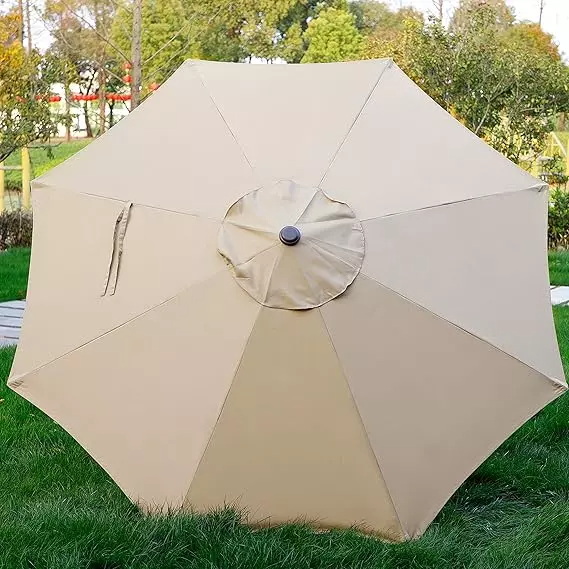
The design and materials of your Beach Umbrella strongly influence how well it stays in place. High-quality components can handle both sun and wind more effectively.[6][1][2]
- Look for a Beach Umbrella with a sturdy, corrosion‑resistant pole made from coated steel, aluminum, or reinforced plastic.[7][6]
- Select canopies made from durable polyester or acrylic fabrics with UV protection and strong stitching to handle wind stress.[2][6]
- Prefer Beach Umbrella models with built‑in vents at the top so wind can pass through instead of lifting the canopy.[1][6]
A well-designed Beach Umbrella paired with a matching sand anchor delivers a stable, user-friendly setup for frequent beachgoers.[4][6]
A flying Beach Umbrella can cause serious injuries, so safety should always come first. Treat your Beach Umbrella as safety equipment, not just a shade accessory.[3][5][1]
- Test stability by gently pushing and pulling the Beach Umbrella pole; if it shifts easily, re‑anchor or add more weight.[4][2]
- Close and lower your Beach Umbrella when leaving your spot or when wind speeds increase noticeably.[5][1]
- Regularly check around your Beach Umbrella for tripping hazards such as exposed anchors, ropes, or scattered gear.[1][5]
Some safety guidelines even suggest that a standard Beach Umbrella should withstand significant resistance before being considered secure, emphasizing the importance of proper anchoring.[3][6]
Good maintenance helps your Beach Umbrella stay safe and reliable over time. Damage or corrosion can weaken key parts and reduce overall stability.[6][2][1]
- Rinse your Beach Umbrella pole, anchors, and hardware with fresh water after each use to remove salt and sand.[2][6]
- Inspect joints, tilt mechanisms, and ribs regularly for cracks, rust, or looseness and repair or replace any problem parts.[6][2]
- Dry the Beach Umbrella completely before storing it in its carry bag to prevent mold and fabric damage.[1][6]
A well‑maintained Beach Umbrella is easier to set up, safer in the wind, and more attractive for both personal and commercial use.[2][6]
For brands, wholesalers, and importers, partnering with an experienced Beach Umbrella manufacturer makes it easier to deliver stable, reliable shade products to demanding markets. Professional OEM suppliers can build Beach Umbrella lines tuned to real‑world beach conditions and brand requirements.[4][6][2]
- Develop Beach Umbrella models with integrated sand anchors, vented canopies, reinforced poles, and UV‑resistant fabrics for premium coastal markets.[4][6]
- Customize Beach Umbrella colors, patterns, logos, and packaging to match your brand and increase shelf impact.[6][4]
- Work with engineers to test wind resistance, anchoring systems, and safety performance so each Beach Umbrella meets local standards and user expectations.[2][6]
With the right OEM partner, your Beach Umbrella collection can stand out for both design and stability, building trust with retailers and end users.[4][6]
Getting a Beach Umbrella to stay securely in the sand is not about one single trick but about combining good location, deep installation, reliable anchors, smart angling, and the right equipment. When you prepare the sand properly, use a quality sand anchor, add weight where needed, and choose a well-designed Beach Umbrella, you can enjoy safe, comfortable shade even on breezy days.[7][1][6]
A Beach Umbrella should typically be buried 18–24 inches into firm, compact sand or placed in an anchor that reaches similar depth. This depth gives your Beach Umbrella enough resistance to handle normal beach winds without wobbling.[8][1][6][4]
While a Beach Umbrella can sometimes stay put with only a deep hole and packed sand, a sand anchor greatly increases stability and is strongly recommended on most beaches. A screw‑style anchor makes it easier for your Beach Umbrella to resist sudden gusts and reduces the risk of accidents.[1][6][2][4]
Always angle your Beach Umbrella slightly into the wind so the canopy leans toward the direction the wind is coming from. This angle allows the wind to press the Beach Umbrella downward instead of catching underneath and lifting it out.[7][6][1]
To keep your Beach Umbrella stable as wind shifts, combine a deep anchor with sandbags or weights and rotate the canopy so it continues to lean into the new wind direction. In stronger gusts, lower the Beach Umbrella height and partially close the canopy to reduce the surface exposed to the wind.[5][7][6][2]
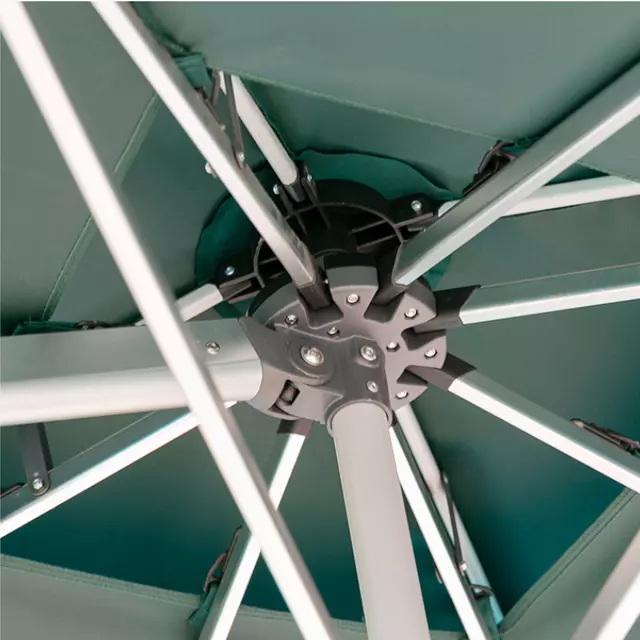
For windy beaches, choose a Beach Umbrella with a strong, rust‑resistant pole, durable ribs, a vented canopy, and a compatible sand anchor or heavy base. These features allow the Beach Umbrella to release wind pressure and stay grounded even on exposed shorelines.[6][1][4]
[1](https://www.aosom.com/blog-how-to-set-up-a-beach-umbrella-guide-for-shade-and-sun-protection.html)
[2](https://www.ammsun.com/blogs/news/what-is-the-best-way-to-anchor-a-beach-umbrella-1)
[3](https://www.facebook.com/groups/oceancitynj/posts/9438394326257663/)
[4](https://beach2u.com/maui-blog/guide-to-choosing-the-best-beach-umbrella-sand-anchor/)
[5](https://corollabeachservices.com/beach-umbrella-easy-setup-tips-for-perfect-beach-days/)
[6](https://www.heininger.biz/blogs/umbrella/beach-umbrella-essentials-everything-you-need-to-know-before-you-buy)
[7](https://shop.italeisure.com/blogs/news/how-to-secure-your-beach-umbrella-in-the-sand)
[8](https://www.patiowell.com/blogs/tips-how-tos/how-to-set-up-beach-umbrella)
[9](https://beachbub.com/pages/tips-tricks)


