
Language
Please Choose Your Language
Views: 222 Author: Amanda Publish Time: 2025-11-20 Origin: Site


Content Menu
● Importance of Heating an Outdoor Tent
● Types of Outdoor Tent Heaters
● Preparing to Heat Your Outdoor Party Tent
>> Calculate Heating Requirements
>> Add Insulation with Sidewalls
● Safety Guidelines for Outdoor Tent Heating
● Integrating Heating with Cooling Solutions
● Tips for Maximizing Heating Efficiency
● FAQ
>> 1. Which heater type works best for large outdoor party tents?
>> 2. Can electric heaters be used safely in outdoor tents?
>> 3. How do tent sidewalls improve heating efficiency?
>> 4. What ventilation is necessary when using propane heaters inside tents?
>> 5. How do I calculate the heating capacity required for my outdoor party tent?
Heating an outdoor party tent is essential for hosting successful events in cooler weather, ensuring guest comfort while maintaining safety. Whether it's a casual gathering or a large celebration, keeping an outdoor tent warm requires selecting the right heating equipment, proper setup, and effective insulation strategies. This comprehensive guide explores various heating methods, best practices for installation, and safety considerations to help you create a cozy outdoor tent environment year-round.
Outdoor tents, by design, are exposed to ambient air and weather conditions, which makes temperature regulation a challenge. Heating an outdoor tent:
- Protects guests from cold weather, encouraging longer stays and better enjoyment.
- Maintains the quality of food, beverages, and décor in cold conditions.
- Expands the usability of outdoor spaces into fall, winter, and cooler spring evenings.
- Enhances overall event experience and satisfaction.
To achieve these benefits efficiently, careful planning and implementation of heating systems tailored to your tent size and event needs are paramount.
Propane heaters are a popular choice for outdoor tent heating due to their portability and high heat output. Using self-contained tanks, they can rapidly warm large tents. However, propane combustion generates exhaust gases, so proper ventilation or exterior placement of the heater with ducting into the tent is essential for safety. Propane heaters are excellent for big gatherings where high BTU output is necessary.
Electric heaters provide clean and safe heating without combustion-related risks. They are ideal for smaller tents or events with access to power sources. While electric heaters generally produce less heat than propane models, they operate quietly and eliminate concerns about fuel storage or exhaust ventilation.
Dual-fuel heaters offer versatility to run on propane or natural gas, allowing for longer use with fuel switching. They typically come with enclosed frames and wheels for easy transport. These heaters provide consistent warmth and are well suited for medium to large tents, especially in colder climates, but require ventilation to manage exhaust odors.
Radiant heaters focus heat directly onto people and objects rather than warming the ambient air. This localized heating is efficient for open tents or partial coverage areas and helps guests stay warm without wasting energy on heating the entire tent volume.
Determining the appropriate heating capacity is critical. Calculate your tent's volume by multiplying its length, width, and height and then estimate the BTU output needed based on the desired temperature increase:
Required BTUs = Tent Volume (cu ft)×4×Temperature Increase (°F)
For example, a 20 ft by 30 ft tent with 10 ft height aiming to raise the temperature by 30°F requires:
20×30×10=6000 cu ft
6000×4×30=720,000 BTUs
This estimate guides you in selecting heating units or the number of heaters needed.
Adding tent sidewalls significantly improves heat retention by providing a barrier against wind and cold air infiltration. Clear or insulated sidewalls also allow natural light while preserving warmth, reducing heating fuel or electricity consumption.
Diffusers attached to heaters help distribute warm air evenly at floor level, preventing heat from rising uncontrollably to the tent ceiling. Ducting systems enable heaters to be placed outside for safety while channeling warm air under the sidewalls into the tent. This setup enhances comfort and safety by keeping combustion gases external.
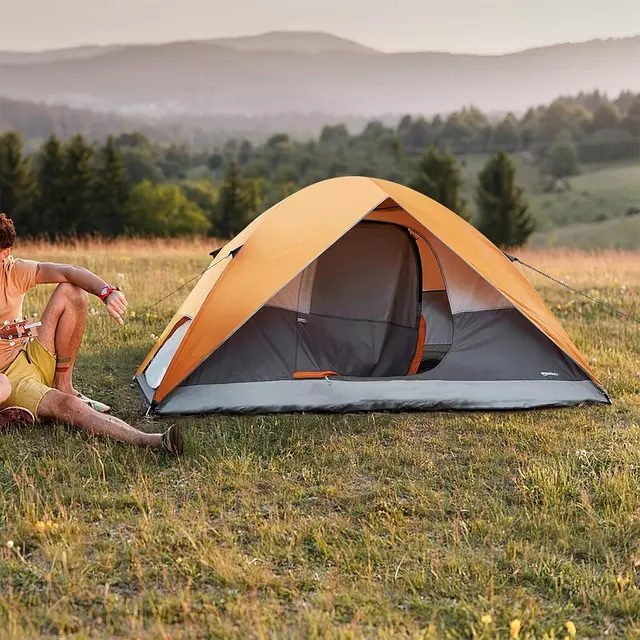
Place heaters in locations that maximize warm air flow while preventing accidents:
- Near tent entrances and vents to prevent cold air infiltration
- Away from flammable decorations, fabrics, or high foot traffic areas
- On stable, flat, non-flammable surfaces
- Ensure easy access for fuel tank replacement or electrical connections
1. Never leave fuel-burning heaters unattended.
2. Provide sufficient ventilation to prevent carbon monoxide buildup.
3. Store propane tanks upright and away from heat sources.
4. Keep heaters clear of any combustible materials.
5. Use fire extinguishers nearby and train staff on emergency protocols.
6. Regularly inspect heaters for leaks, damage, and soot buildup.
7. Ensure wiring and electrical cords for electric heaters are properly rated and protected from water.
8. Follow manufacturer installation and usage guidelines rigorously.
- Clean dust and debris from heater grills and vents regularly to maintain efficiency.
- Check fuel connections for leaks using soapy water or approved detectors.
- Test igniters and thermostat controls prior to each event.
- Replace worn or corroded parts without delay.
- Store heaters and fuel tanks in dry, sheltered locations when not in use.
For events spanning fluctuating temperatures, combining heating with cooling solutions ensures guest comfort regardless of weather changes. Portable heaters can warm the tent while fans or evaporative coolers provide airflow and circulation. Strategic placement of heating and cooling equipment creates a balanced indoor climate that adapts seasonally.
- Use insulating floor coverings such as carpets or dance floors to prevent heat loss from below.
- Seal gaps and openings where warm air might escape, such as vent flaps, door zippers, or window sections.
- Use programmable thermostats to adjust heating levels automatically based on temperature sensors inside the tent.
- Group guests nearer the heat source for warmth distribution when possible.
Heating an outdoor party tent successfully involves more than just installing heaters. It requires understanding the heating needs based on tent size, weather conditions, and guest comfort levels. Choosing the right heater type—be it propane, electric, dual-fuel, or radiant—combined with effective insulation like sidewalls and strategic heat distribution tools such as diffusers ensures warm and inviting gatherings. Prioritizing safety with adequate ventilation and adherence to manufacturer guidelines protects guests and staff alike. With careful planning, maintenance, and integration of heating systems, outdoor tents can be enjoyed comfortably throughout cold seasons, making your events memorable and pleasant.
Propane and dual-fuel heaters provide the high BTU output needed for large tents but require proper ventilation or ducting to manage exhaust safely.
Yes, electric heaters are suitable for smaller or medium-sized tents with reliable power access. They run quietly and produce no combustion gases but may have limited heat output.
Sidewalls act as insulation by blocking wind and cold air, helping to retain heat inside the tent and reducing fuel or energy consumption.
Propane heaters need sufficient ventilation such as open vents or using ducting systems to ensure exhaust gases do not accumulate inside the tent.
Measure your tent's cubic volume and multiply by an estimated BTU factor per cubic foot and desired temperature rise. This calculation helps determine the right size and number of heaters needed.
[1](https://erommy.com/blogs/news/how-to-heat-a-party-tent)
[2](https://www.partytime-rentals.com/guide-to-heating-tents)
[3](https://www.tentandtable.net/blog/post/how-to-heat-a-party-tent-in-winter)
[4](https://www.reventals.com/blog/how-to-heat-a-party-tent-without-electricity/)
[5](https://www.partytentsdirect.com/blog/post/how-to-keep-a-party-tent-warm)
[6](https://www.aosom.com/blog-how-to-heat-a-canopy-tent-advanced-heating-systems.html)
[7](https://skylinetentcompany.com/blogs/tent-heating-and-cooling-solutions-for-extreme-temperatures/)
[8](https://www.outsideonline.com/outdoor-gear/camping/how-to-safely-heat-a-tent/)
[9](https://www.patioheatandshade.com/how-to-safely-heat-winter-party-tent.htm)
[10](https://tentwares.com/wp-content/uploads/2015/08/How-To-Cool-Your-Tents.pdf)


