
Language
Please Choose Your Language
Views: 222 Author: Amanda Publish Time: 2025-11-03 Origin: Site


Content Menu
● Modern Beach Umbrella Design and Standards
● Choosing the Right Beach Umbrella and Anchor
● Beach Umbrella Location: Site Selection and Wind Science
● Step-by-Step Guide: Securing Your Beach Umbrella
● Advanced Safety Practices for Windy Beaches
● Maintenance and Inspection for Beach Umbrella Safety
● User Education and Safety Advocacy
● New Safety Regulations: ASTM F3681 and CPSC Guidance
● For Beach Umbrella OEMs and Buyers
● FAQs
>> 1. How deep should a sand anchor be installed?
>> 2. What does ASTM F3681 compliance mean for beach umbrellas?
>> 3. Are weighted bases effective for beach umbrella anchoring?
>> 4. What should I do if my umbrella starts wobbling in the wind?
>> 5. What are the biggest mistakes people make setting up beach umbrellas?
A day at the seaside isn't complete without a well-positioned beach umbrella. Offering respite from the sun, a beach umbrella transforms the shore into a comfortable oasis. But along with relaxation comes responsibility: securing your beach umbrella to keep it from becoming a serious risk in windy conditions. This definitive guide explains how to keep your beach umbrella from blowing away, including new safety standards, advanced anchoring methods, science-based setup techniques, and maintenance advice.
Each year, beach umbrellas sent airborne by sudden gusts injure hundreds of beachgoers. These incidents have prompted new safety alerts and regulatory changes worldwide. Wind turning a beach umbrella into a javelin can happen in seconds, particularly in coastal regions known for unpredictable breezes. The key causes include poorly anchored umbrellas, incorrect installation angles, and failure to monitor weather conditions.[1][2][6][8]
Beach umbrellas are most vulnerable in late mornings and afternoons when sea breezes intensify. Wind can strike in gusts or sustained flow, quickly overwhelming standard setups and creating dangerous situations. Understanding the hazard is the first step in effective prevention.
Recent advancements in design have dramatically increased the safety and reliability of beach umbrellas. The new ASTM F3681 safety standard, implemented in 2024, mandates that every 7.5-foot diameter beach umbrella must be secured with an anchor providing at least 75 pounds of resistance and remain stable up to 30 miles per hour wind. These standards were developed after thorough consumer product testing, collaboration with safety experts, and incidents involving serious beach injuries.[4][5][6][7][9][1]
Features now required for premium beach umbrellas include vented canopies that allow wind passage to minimize lift, ultra-durable fiberglass or anodized aluminum poles, and labelled compliance with ASTM wind resistance guidelines. For buyers, seeking the ASTM F3681 label is now the single most important factor in beach umbrella safety.
Selecting a compliant, durable beach umbrella is just the beginning. Proper anchoring devices are now part of the package, with auger or corkscrew-style sand anchors becoming the industry standard. These devices screw deep into the sand and are designed to be used with the umbrella pole, forming a stable foundation resistant to strong breezes.
Accessories such as weighted bases and sandbags can add further stability. Proper bases filled according to manufacturer recommendations can hold over 75–125 pounds of sand, ensuring compliance with ASTM and local safety codes. Always confirm that your anchor is undamaged and installed exactly as the instructions specify.[7][1]
Choosing where to set up your beach umbrella can dramatically affect its stability. Select a position sheltered by natural windbreaks such as dunes, rocks, or vegetation. The best locations feature moist, compacted sand, typically nearer the waterline, which grips anchors more tightly than loose, dry sand. Avoid wind funnels between buildings or geological features, which increase wind speed locally and heighten risk.
Before inserting your anchor, clear away surface sand to expose firmer layers. Dig a wide, deep hole for the base. This ensures maximum holding power and reduces the likelihood of movement under stress. Angle the umbrella slightly into the prevailing wind so that gusts push the canopy downward, rather than lifting it up.[2][10][11]
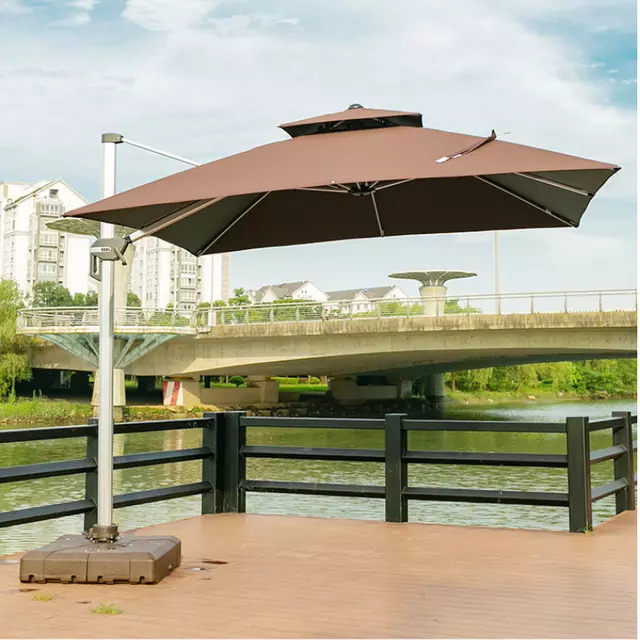
Proper setup follows several crucial steps:
1. Prepare Your Site: Pick a flat spot shielded from wind, clear loose sand, and dig a deep, wide hole for the anchor.
2. Install the Anchor: Twist the anchor at least 1–2 feet into moist, compacted sand, packing it firmly as you go.
3. Position the Umbrella Pole: Insert the pole fully into the anchor device and ensure all adjustment mechanisms are tightly fastened.
4. Fill Weighted Base/Sandbags: If using a weighted base, fill it completely as per instructions, using your foot to compact the sand for firmness.
5. Angle and Orient the Canopy: Tilt the umbrella slightly toward the wind direction, adjusting often for changing conditions.
6. Test Stability: Gently shake the umbrella to check for any movement. If unsure, reinforce with additional sandbags, weighted gear, or anchor straps.
Anchoring should result in an umbrella that feels immovable, even against considerable force. If the canopy begins to wobble or the anchor loosens, immediately collapse the umbrella until conditions improve.
For beaches with notorious winds, extra security measures are recommended:
- Dual Anchoring: Use two augers spaced apart for double the holding power.
- Multiple Sandbags: Distribute sandbags evenly around the pole base.
- Rope Tethers: Tie non-stretch ropes through the fabric canopy and attach to buried heavy objects or additional anchors.
- Wind Speed Monitoring: Track local wind forecasts and set up an anemometer on windy days to detect unsafe conditions.
- Quick Closure Protocol: Always be ready to close and store the umbrella at the first sign of instability, sudden gusts, or weather changes.
Communicate these safety measures to all members of your group. Umbrella accidents often result from lack of vigilance or a misunderstanding of wind hazards.
Regular maintenance is crucial to keeping your beach umbrella safe:
- Check for corroded fittings, broken ribs, and loose joints before every use.
- Inspect anchor threads, tightening mechanisms, and sandbags for damage or wear.
- Clean and dry the umbrella after each outing to prevent degradation by sun, salt, and moisture.
- Replace any structurally compromised umbrella, anchor, or base immediately.
Well-maintained equipment not only increases safety but extends the useful life of your umbrella, providing reliable shade and protection for many seasons.
Beach umbrella safety goes beyond personal responsibility. Educate family, friends, and fellow beach visitors on proper anchoring, the importance of ASTM compliance, and fast closure protocols. Retailers, rental agencies, and manufacturers must include clear setup instructions, safety warnings, and visible ASTM F3681 labels on all anchor devices.
Consumer Product Safety Commission guidance emphasizes that a beach umbrella is only safe when paired with an adequate anchor—and that “airborne beach umbrellas can kill.” Sharing these tips, standards, and procedures is essential for community-wide safety. By spreading awareness, we collectively reduce the risk of injuries and improve the beachgoing experience for everyone.[6][8][2]
The voluntary ASTM F3681-24 standard, supported by regulatory bodies worldwide, requires that every compliant beach umbrella/anchor system resist 75 pounds of upward force or winds up to 30 mph. Look for anchor devices labelled “MEETS ASTM F3681 FOR WIND SPEEDS UP TO 30 MPH” and ensure the product canopy size falls beneath the maximum area specified for your anchor.[5][1][4][6]
These safety measures supersede previous umbrella guidelines and are becoming industry requirements among responsible manufacturers and rental suppliers.
If you purchase or supply beach umbrellas for brands, wholesalers, or OEM customers, prioritize the following:
- Source umbrellas with ASTM F3681-compliant anchors and marked resistance ratings.
- Request detailed user manuals with explicit safety protocols.
- Promote wind-resistant designs: vented canopies, reinforced poles, and advanced anchoring devices.
- Share educational materials about risk factors, anchoring procedures, and maintenance.
For international buyers and brands, selecting a beach umbrella supplier who integrates safety, durability, and regulatory compliance ensures both customer satisfaction and legal adherence.
Beach umbrella safety is more than a matter of comfort—it's a matter of public health and responsible beach enjoyment. By choosing umbrellas built to stringent ASTM standards, using certified anchor devices, applying advanced setup and anchoring methods, and spreading safety knowledge, we transform a potential hazard into an asset for every beachgoer. Protect your family and friends, comply with regulations, and enjoy a worry-free day in the sun by following these essential guidelines. OEM customers, brands, and wholesalers benefit from sourcing beach umbrellas that prioritize both comfort and wind security, reflecting the highest standards of safety and innovation.
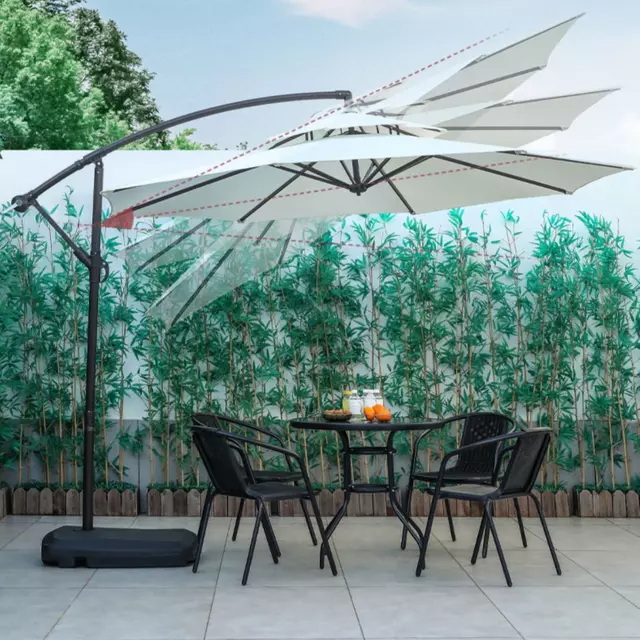
A sand anchor should be twisted at least 1–2 feet into moist, compact sand for maximum wind resistance. Shallow installations won't provide adequate holding power, especially in strong breezes.[11][1][7]
ASTM F3681 compliance means the beach umbrella and anchor system can resist 75 pounds of upward force and remain stable in winds up to 30 mph, significantly reducing the risk of accidental detachment.[1][4][5]
Weighted bases—especially those designed to hold 125 pounds or more of sand—are highly effective, as long as they are filled and packed correctly per the manufacturer's instructions. They should be used in addition to proper sand anchors for optimal safety.[6][7]
Immediately collapse the canopy and reinforce the anchor, base, or sandbags. Relocate the setup if necessary. Never leave an unstable umbrella open in gusty conditions.[2][6]
The most common mistakes include using no anchor at all, installing anchors in loose dry sand, failing to pack weighted bases thoroughly, and ignoring changing wind directions. Avoid these errors by following safety protocols every time.[8][7]
[1](https://beachbub.com/blogs/news/astm-f3681-overview-new-beach-umbrella-safety-standard)
[2](https://www.beachumbrellasafety.org)
[3](https://handybeachgoods.com/blogs/handy-beach-goods-blog/beach-umbrella-wind-safety-guide)
[4](https://blog.ansi.org/ansi/astm-f3681-24-beach-umbrellas-anchor-devices/)
[5](https://solbello.com/pages/astm)
[6](https://www.cpsc.gov/s3fs-public/SafetyAlert_3000_BeachUmbrellas_052024.pdf)
[7](https://gulfcoastrentalco.com/beach-umbrella-safety/)
[8](https://www.youtube.com/watch?v=evuYtS2MqIU)
[9](https://www.sgs.com/en/news/2025/07/safeguards-10225-astm-publishes-revised-standard-consumer-safety-specification-for-beach-umbrellas-and-anchor-devices)
[10](https://www.aosom.com/blog-how-to-set-up-a-beach-umbrella-guide-for-shade-and-sun-protection.html)
[11](https://uv-blocker.com/blogs/beach-umbrellas/beach-umbrella-tips-for-windy-weather)


