
Language
Please Choose Your Language
Views: 222 Author: Amanda Publish Time: 2025-12-19 Origin: Site


Content Menu
● What Is an Outdoor Canopy Tent?
● Planning Your Outdoor Tent Project
● Common Types of Outdoor Canopy Tents
● Materials and Tools for an Outdoor Tent
● Frame Material Options for Outdoor Tents
● Designing the Frame of Your Outdoor Tent
● Building a Basic Freestanding Outdoor Tent Frame
● Squaring and Bracing the Structure
● Making or Choosing the Canopy Fabric
● Cutting and Sewing the Outdoor Tent Canopy
● Reinforcement and Attachment Points
● Adding Valances, Sidewalls, and Branding Areas
● Step‑by‑Step On‑Site Assembly of the Outdoor Tent
● Securing and Tensioning the Canopy
● Anchoring the Outdoor Tent for Safety
● Weatherproofing and Seasonal Use
● Lighting, Ventilation, and Comfort Add‑Ons
● Storage, Cleaning, and Maintenance
● OEM and Branding Strategies for Outdoor Tents
● Safety Best Practices for Outdoor Tent Users
● FAQs
>> (1) How do I choose the right size Outdoor Tent?
>> (2) Which frame material is best for a durable Outdoor Tent?
>> (3) How can I keep my Outdoor Tent from blowing away?
>> (4) What fabric works best for an Outdoor Tent canopy?
>> (5) Can one person set up a large Outdoor Tent alone?
Creating your own Outdoor Tent canopy is an excellent way to add shade, comfort, and branding to patios, gardens, campsites, events, and commercial spaces. A well‑designedoutdoor tent combines a sturdy frame, correctly sized fabric, and safe anchoring so it can handle sun, light rain, and wind while looking professional for many seasons.
For OEM brands, wholesalers, and project buyers, understanding how to make an Outdoor Tent also helps when specifying custom sizes, fabrics, logos, and accessories for retail or commercial use. A clear step‑by‑step process, supported by good instructions, makes it easy for end users to assemble the Outdoor Tent safely and confidently.
An Outdoor Tent canopy is a temporary or semi‑permanent shelter that uses a frame and fabric roof to provide shade and light weather protection in open areas. Depending on design, an Outdoor Tent can be a simple tarp over poles, a pop‑up event tent, or a heavy‑duty structure with sidewalls and branding for trade shows or cafés.
Most Outdoor Tent canopies share common elements: vertical legs, horizontal cross‑bars, a roof frame or ridge, a fabric top, and some kind of anchoring such as stakes, ropes, sandbags, or weight plates. Once you understand these basics, you can scale an Outdoor Tent design from a small backyard shade to a large commercial canopy.
Before buying materials, decide how the Outdoor Tent will be used: casual backyard shade, camping shelter, market booth, or semi‑permanent patio cover. This determines ideal footprint size, frame strength, fabric type, and the level of wind and rain resistance required from your Outdoor Tent.
Measure the area carefully and check local regulations if the Outdoor Tent will stand for long periods or be used in public settings. Also consider ground type (grass, soil, concrete), average wind speed, and whether the Outdoor Tent needs sidewalls, mosquito netting, or brand printing.
Several structural layouts are popular for DIY and OEM Outdoor Tent solutions:
- Freestanding four‑post canopies
- Wall‑mounted shade canopies
- A‑frame Outdoor Tent structures
- Modular pipe or truss‑frame Outdoor Tent systems
Freestanding four‑post Outdoor Tent designs are versatile and easy to move, making them ideal for gardens, pool areas, and markets. Wall‑mounted shade canopies use brackets on building walls plus two front posts, reducing material cost while keeping the Outdoor Tent footprint compact.
A‑frame Outdoor Tent designs are simple, stable, and naturally shed rain, which is useful in wetter climates. Modular pipe or truss frames are often chosen for professional Outdoor Tent setups, where repeated assembly and disassembly demand higher structural strength.
A basic DIY Outdoor Tent requires structural poles (PVC, wood, or metal), connectors or fittings, guy lines or cords, stakes or weights, and a durable fabric such as canvas, polyester, or treated tarp. The choice of materials directly affects how long your Outdoor Tent will last in sun, rain, and wind.
Typical tools include a saw or pipe cutter, drill, screws or bolts, wrench, tape measure, marker, and a level. If sewing your own canopy for the Outdoor Tent, add heavy‑duty fabric scissors, a sewing machine capable of handling thick textiles, and UV‑resistant thread.
Each frame material offers different performance for an Outdoor Tent:
- PVC: Light, low‑cost, easy to cut and assemble, suitable for temporary or small Outdoor Tent structures.
- Wood: Strong and visually warm, ideal for decorative Outdoor Tent pergola‑style frames, but needs weather treatment.
- Steel: Very strong and suitable for larger Outdoor Tent canopies; heavier and may need corrosion protection.
- Aluminum: Lighter than steel with good corrosion resistance, widely used in commercial Outdoor Tent products.
When choosing material, think about how often the Outdoor Tent will be moved, how much weight can be transported, and whether the structure must stay outside year‑round or only for events.
Start with a simple drawing that shows the footprint, height, and key joints of the Outdoor Tent. Mark corner posts, roof beams, and any cross‑bracing, along with approximate dimensions for each part. This makes it easier to estimate the exact pipe or timber lengths needed for the Outdoor Tent.
Ensure that the height is comfortable for people to walk under the Outdoor Tent without hitting the canopy edge. For events, extra height at the eaves and peak improves airflow and reduces heat build‑up inside the Outdoor Tent.
To build a freestanding Outdoor Tent:
1. Mark the footprint on the ground using stakes or chalk.
2. Cut horizontal beams and vertical posts to the planned dimensions.
3. Assemble the rectangular roof frame on the ground, connecting corners with T‑ or elbow‑fittings or metal brackets.
4. Attach vertical legs to each corner so the Outdoor Tent frame is assembled flat.
Once the frame is assembled, lift it carefully and set the legs upright one by one. Use a helper for larger Outdoor Tent frames to keep everything balanced and prevent twisting or bending.
A square, plumb frame is critical to the stability of an Outdoor Tent. Check diagonal measurements of the footprint; if both diagonals are equal, the Outdoor Tent base is square. Adjust joints until the structure is as even as possible.
Add diagonal braces between vertical legs and horizontal beams to increase rigidity, especially on larger Outdoor Tent spans. Bracing helps the Outdoor Tent resist side loads from wind and prevents wobbling when people move around under the canopy.
You can buy a ready‑made canopy sized to your frame or create a custom cover. When designing your own canopy, measure the outer edges and ridge lines of the Outdoor Tent frame and add allowances for hems and tensioning. Slightly undersized fabric can be tensioned for a smooth look, while oversized fabric may sag on the Outdoor Tent.
Popular fabric choices for Outdoor Tent canopies include:
- Polyester with PU or acrylic coating for water resistance and printability
- Canvas for a natural look and strong durability
- PVC or vinyl fabrics for maximum waterproofing and easy cleaning
If the Outdoor Tent will double as a brand space, choose fabrics that accept high‑resolution printing.
Spread the fabric on a clean surface and mark your pattern using chalk or a fabric marker. Cut the main canopy panels and any additional pieces for valances, reinforcement patches, or sleeves. Precise cutting ensures the Outdoor Tent fabric will sit correctly on the frame.
Sew panels together with strong seams, using double‑stitching on critical lines like the ridge of a peaked Outdoor Tent. Add a hem around the perimeter, folding the edge over twice where possible to reduce fraying and increase strength at stress points.
Every location where the canopy connects to the Outdoor Tent frame must handle tension, wind, and repeated use. Reinforce corners and midpoints with extra fabric patches or webbing. These reinforcement zones are ideal spots for grommets, D‑rings, or webbing loops.
Decide whether your Outdoor Tent will use:
- Grommets for rope or bungee tie‑downs
- Webbing straps with buckles or hook‑and‑loop
- Sleeves that slide directly over frame tubes
Sleeves give a clean look and help the Outdoor Tent canopy stay aligned, while grommets and straps make removal and adjustment faster.
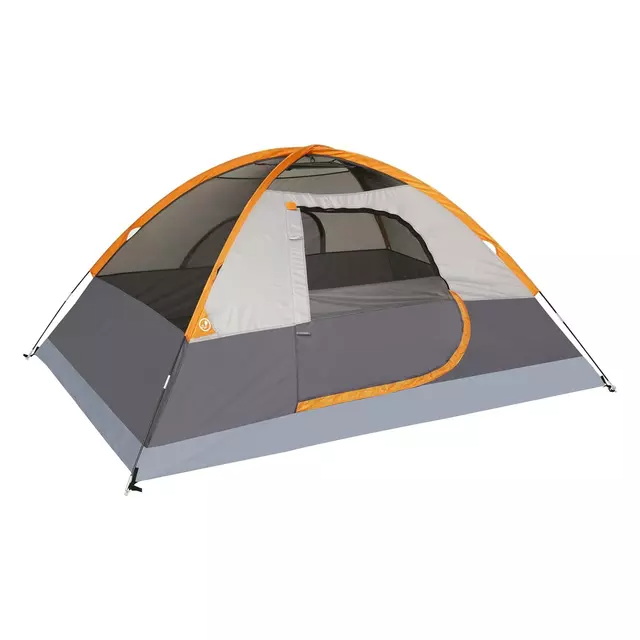
Valances (fabric strips that hang down from the canopy edge) serve both decorative and functional purposes. They hide the frame of the Outdoor Tent and provide extra space for branding, slogans, or color blocks.
Sidewalls can be designed as:
- Solid walls for privacy and wind reduction
- Mesh walls to block insects while keeping airflow
- Half‑walls for trade tables and food service within an Outdoor Tent
Consider adding zippers or hook‑and‑loop strips so sidewalls can be opened, rolled up, or removed based on weather and event needs.
A typical assembly sequence for an Outdoor Tent is:
1. Clear and inspect the ground where the Outdoor Tent will stand.
2. Lay out all frame components and hardware in logical groups.
3. Assemble the roof section completely on the ground.
4. Attach two opposite legs and raise that side slightly.
5. Attach the remaining legs and lift the Outdoor Tent frame to full height.
6. Secure temporary supports or partial weights before installing the canopy.
7. Pull the canopy over the top, center it, and fasten at corners, then along edges.
Work methodically and avoid rushing; careful assembly of the Outdoor Tent prevents damage to both frame and fabric.
Start by fastening the canopy at all four corners of the Outdoor Tent, adjusting until the fabric is centered. Then attach sides working from the middle outward, tightening evenly so the Outdoor Tent canopy acts like a taut membrane rather than a loose sheet.
If the canopy pools water after rainfall, adjust attachment points or add a slightly higher central ridge. Good tension ensures the Outdoor Tent sheds water quickly and reduces flap noise in the wind.
Anchoring is critical for any Outdoor Tent, especially in open or windy areas. Use the anchoring method that suits your surface:
- Grass or soil: stakes, screw‑in anchors, and guy lines.
- Pavement or concrete: weight plates, water barrels, or sandbags on each leg.
- Decks: bolted brackets or removable flanges for the Outdoor Tent legs.
Distribute weight evenly and avoid relying on lightweight décor bases that cannot resist strong gusts. If conditions deteriorate, partially lower or completely fold the Outdoor Tent to prevent accidents.
If your Outdoor Tent will remain outside for long periods, add extra protection:
- Seal fabric seams with appropriate seam tape or liquid sealant.
- Choose rust‑resistant hardware for all Outdoor Tent joints.
- Slightly angle the roof to prevent standing water and debris build‑up.
In winter or storm seasons, plan for full disassembly and indoor storage of the Outdoor Tent. Long‑term exposure to snow, ice, and strong storms shortens the life of both frame and canopy.
Once the Outdoor Tent structure is secure, you can optimize comfort:
- Clip‑on or string lights along the frame for evening events.
- Portable fans or ceiling‑style fans designed for Outdoor Tent use to increase airflow.
- Roof vents or vented peaks to release hot air collecting at the top of the Outdoor Tent.
For hospitality or café settings, consider integrating heaters that are approved for undercover use, always following safety clearances from the Outdoor Tent fabric.
After each use, remove debris from the roof and let the Outdoor Tent canopy dry completely before packing. Wipe down frame components and inspect for bent parts, loose screws, or cracked fittings.
Clean fabric with mild soap and water, avoiding harsh chemicals that degrade coatings. Store the Outdoor Tent in a dry, cool place, preferably in protective bags or cases that prevent abrasion and UV exposure during transport.
Outdoor Tent canopies are ideal for corporate logos, event themes, and retail promotions. OEM buyers can specify:
- Custom colors and fabric weights
- Full‑surface digital print designs
- Reinforced corners and premium hardware
- Special leg profiles or truss designs that match a brand's visual identity
By understanding the construction process, buyers can work closely with manufacturers to design Outdoor Tent products that are both visually distinctive and durable in real outdoor conditions.
Emphasize safety in every instruction and product manual:
- Never operate open flames or high‑heat appliances too close to Outdoor Tent fabrics.
- Keep clear exit paths when using sidewalls so occupants can leave quickly if needed.
- Instruct users to monitor weather forecasts and take down the Outdoor Tent when strong winds or storms are expected.
These habits reduce liability for brands and extend the life of Outdoor Tent installations in public spaces.
Making an Outdoor Canopy Tent is a manageable project if you follow a clear sequence: plan the size and use, choose suitable frame and fabric materials, build a square, stable structure, sew and reinforce the canopy, then assemble and anchor the Outdoor Tent safely. This approach works for small backyard shades and larger event tents alike.
For OEM brands and wholesalers, deeper knowledge of Outdoor Tent design, materials, and anchoring systems makes it easier to specify products that look professional, resist weather, and support strong visual branding. A carefully engineered Outdoor Tent not only protects people from sun and light rain but also becomes a powerful, reusable asset for outdoor living and commercial events.
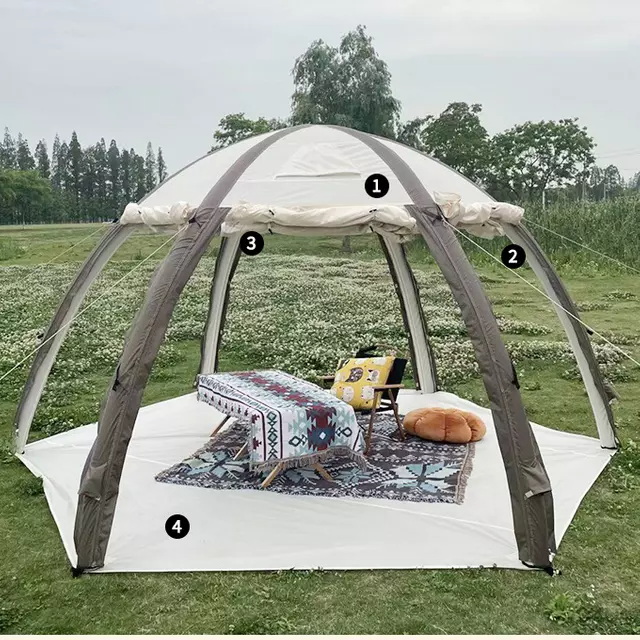
Start by measuring the area you need to cover and adding extra space for comfortable movement, furniture, or display equipment. For events, many planners estimate at least around one square meter per standing guest, and more for seated layouts, then select an Outdoor Tent footprint that matches or slightly exceeds that requirement.
Also think about transport and storage: very large Outdoor Tent structures are heavier and may not fit in standard vehicles. If the tent will be used at trade shows, match Outdoor Tent dimensions to common booth sizes used in your target markets.
For light DIY projects that will not see heavy use, PVC or wood can work well and keep costs low. For frequent use, commercial rentals, or long‑term outdoor installation, powder‑coated steel and anodized aluminum frames give significantly better strength and durability.
Aluminum is often preferred when the Outdoor Tent must be portable and easy to carry because it is much lighter than steel. Steel, however, can be more economical for very large Outdoor Tent structures where maximum stiffness is required.
Use a combination of leg weights, stakes, and guy lines rather than relying on a single method. Each leg of the Outdoor Tent should have substantial downward weight or firm anchoring, and upper corners should be tied to ground anchors in windy locations.
Regularly check all attachment points and re‑tension straps or ropes as needed. In gusty or stormy conditions, the safest approach is to lower or fully disassemble the Outdoor Tent before wind loads become dangerous.
Polyester with UV‑resistant and water‑repellent coatings is a common all‑round choice because it is relatively light, strong, and easy to print. Canvas offers a more traditional look and comfortable shade but absorbs more water and may dry more slowly if the Outdoor Tent is exposed to frequent rain.
For demanding commercial applications or when complete waterproofing is essential, coated PVC or vinyl fabrics are widely used. Whatever fabric you choose, look for high UV resistance to keep the Outdoor Tent from fading and degrading under strong sunlight.
Smaller pop‑up Outdoor Tent models are designed so a single person can manage setup by unfolding the frame and locking the legs. However, once the footprint and weight increase, working alone becomes difficult and potentially unsafe.
For medium and large Outdoor Tent structures, plan on at least two people for lifting the frame, positioning the canopy, and anchoring everything securely. A small team not only speeds up setup and takedown but also reduces the risk of damage to the Outdoor Tent and injury to users.


