
Language
Please Choose Your Language
Views: 222 Author: Amanda Publish Time: 2025-11-07 Origin: Site


Content Menu
● What Makes a Kids Umbrella Unique?
● Materials and Components for Kids Umbrella
● Step-by-Step DIY for Kids Umbrella
>> Step 1: Preparing the Canopy
>> Step 3: Preparing the Frame
>> Step 4: Attaching Canopy to Frame
>> Step 5: Fitting the Handle and Final Touches
>> Step 6: Safety and Quality Checks
● Manufacturing Process of Kids Umbrella (OEM Perspective)
>> Fabric Cutting and Printing
>> Safety Features Integration
>> Final Inspection, Packaging, and Delivery
● Customization and Branding for Kids Umbrella
● Creative DIY Craft Extensions
● Safety Tips for Kids Umbrella
● FAQ
>> 1. What features should a Kids Umbrella have for safety?
>> 2. Can Kids Umbrellas be customized for branding and international OEM?
>> 3. Which materials are best for Kids Umbrella canopies?
>> 4. Can kids safely create their own umbrella craft at home?
>> 5. What checks do manufacturers perform before shipping Kids Umbrellas?
Creating a Kids Umbrella is an engaging blend of creativity, engineering, and safety. Whether as a hands-on DIY project with children or through industrial OEM manufacturing for overseas brands and wholesalers, understanding every step ensures the finished kids umbrella is safe, functional, attractive, and compliant with global standards. This article integrates step-by-step guidance, insights from manufacturer processes, customization tips, material selection, and best practices for designing and producing Kids Umbrellas that captivate children and satisfy parents.[1][2][3]
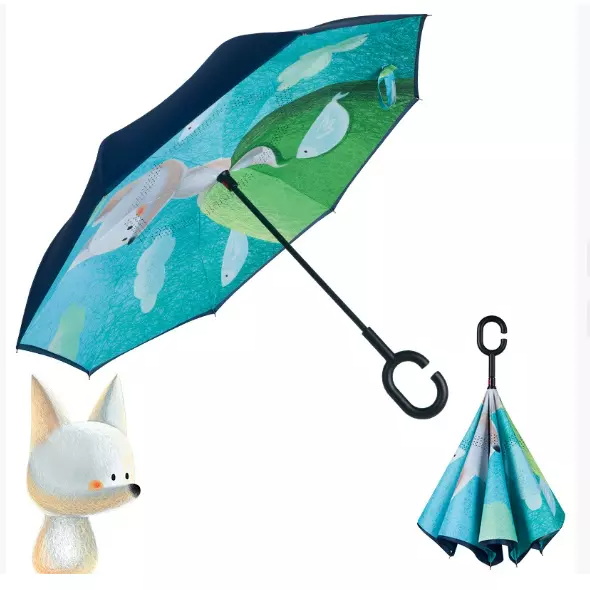
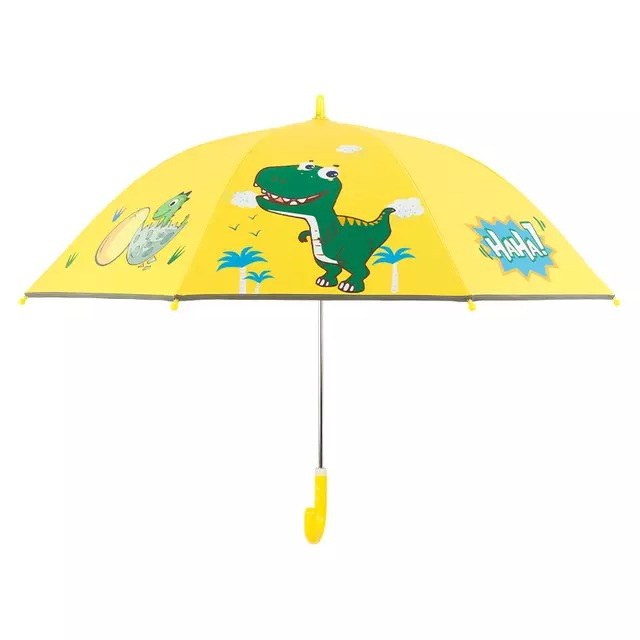
Kids Umbrellas are specially designed to match the height, strength, and safety needs of children. Child-size canopies, lightweight materials, and safety-focused features such as rounded tips, easy-close mechanisms, and non-toxic prints set Kids Umbrellas apart from adult models. Manufacturers and DIY creators customize colors, add cartoon characters, and sometimes integrate reflective materials to make umbrellas both fun and functional.[3][11][12]
- Canopy Fabric: Waterproof polyester, pongee, or nylon with bright, child-appealing patterns.[2][7][8]
- Frame: Ribs and stretchers from lightweight steel, aluminum, or fiberglass.
- Shaft: Plastic or metal, sized for comfortable child use.
- Handle: Ergonomic plastic, wood, or rubber, rounded and non-slip.
- Tips and Cap: Rounded plastic or covered metal for safety.
- Decorative Elements: Non-toxic paints, stickers, protective coatings.
- Scissors
- Measuring tape
- Precision sewing machine or needle and thread
- Pliers
- Fabric glue (non-toxic)
- Markers for decoration
1. Select waterproof and vibrant fabric matching the desired design or theme for Kids Umbrella.
2. Determine the number of panels (typically 6-8), trace each panel as equilateral triangles based on pattern templates.
3. Cut out panels, ensuring precise seams for a neat umbrella surface.[4][7]
1. Stitch all panels together along the long edges, starting from the center outward. Maintain dense, uniform stitches for durability—industry standards suggest 12–15 stitches per centimeter.[5][2]
2. Hem or edge-stitch for fray protection.
3. Optionally add a closing band or velcro strap for neat storage.
1. Cut ribs and stretchers from child-safe metal or fiberglass; bend gently to form supportive curves.
2. Assemble stretchers to ribs using rivets or secured clasps suited for children.
3. Install the runner on the shaft (often plastic for kids) to enable smooth opening/closing.[6][7]
1. Lay out the sewn canopy and align seams with each rib.
2. Secure fabric to the ribs with glue, stitching, or caps.
3. Attach tips and ferrule, ensuring all exposed parts are rounded and safe.
1. Attach a rounded, ergonomic handle to the base of the shaft.
2. Add decorative stickers, child's name, or themed elements for unique style.
3. Ensure all mechanisms operate smoothly and safely.
- Inspect the umbrella for sturdy construction, ensuring no sharp edges or loose components.
- Make sure the closing mechanism is child-friendly.
- Test for water resistance and frame integrity.
- For manufacturers, conduct multi-step quality checks before packaging.[11][2]
- Work with engineers to produce 3D handle and tip models.
- Use rapid prototyping (3D printing) for samples, getting client feedback on size, grip, and aesthetics.[7][3]
- Utilize automated cutting tools for high-precision panels; error margin should be under ±0.1cm.[2]
- Apply custom logos, patterns, or full-surface prints using various printing techniques:
- Silk screen for logos/designs
- Digital/heat transfer for multi-color or photographic images
- Roller or soft-touch ink applications for special textures.[6]
- Employ skilled workers or semi-automated assembly lines to construct rib, stretcher, and shaft assemblies.
- Use sewing machines for canopy attachment, combining hand and machine stitching for exact fit.[8][3][2]
- Ensure all Kids Umbrella models have rounded tips, non-slip handles, and easy-to-operate runners.
- Test each umbrella for mechanical strength, wind resistance, opening/closing smoothness, and water repellency.[11]
- Conduct double/triple inspections at multiple stages—frame integrity, canopy stability, print quality.
- Pack umbrellas into custom boxes as per customer orders.
- Ship quickly, ensuring warehouse humidity and temperature controls maintain fabric and metal quality.[2]
- Offer OEM clients options for custom prints, logos, and colors to meet international market requirements.[3]
- Provide a variety of umbrella sizes for toddlers, young kids, and pre-teens.
- Integrate matching rain boots, coats, and accessories for complete branded sets.[13]
- Paper Plate Kids Umbrella: Use paper plates for crafts, painting with non-toxic materials, and attach cardstock handles for indoor play.[14][15]
- Mini Umbrella Crafts: Fold colored paper into umbrella shapes, glue to sticks, and decorate for party favors or thematic learning projects.[16][17][18]
- STEM Umbrella Challenges: Let kids experiment with different waterproof materials, frame designs, and decoration styles to learn physics and art together.[19][20]
- Select child-safe, non-toxic materials for all components.
- Ensure the handle and tips are rounded; avoid pointed ends.
- Use vibrant colors or reflective strips for visibility in low light.[12][11]
- Store umbrellas safely and teach children proper use.
- Supervise umbrella use among younger children.
Making a Kids Umbrella is a multidisciplinary project involving design, engineering, safety, and creative flair. From doodling initial concepts through precise manufacturing or hands-on DIY assembly, every step offers opportunities for learning and enjoyment. Whether as a parent, educator, brand owner, or OEM manufacturer, focusing on quality, customization, and safety will result in Kids Umbrellas that are cherished and used with confidence across markets worldwide.
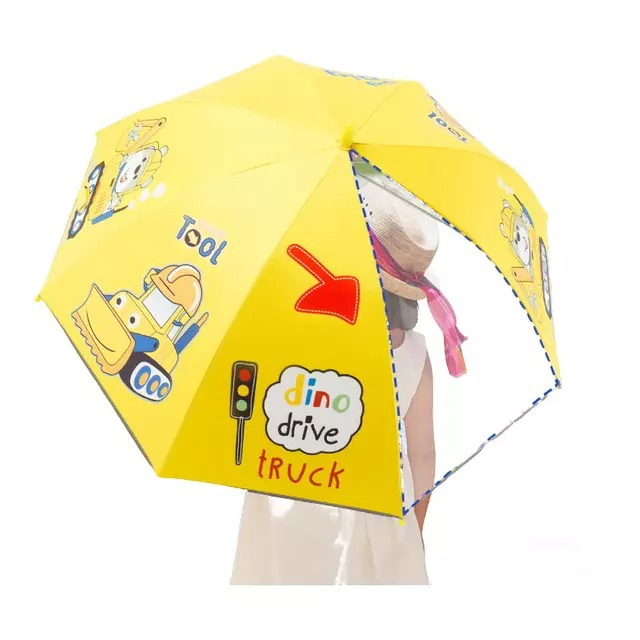
Kids Umbrellas should be lightweight, have rounded tips, easy-to-use mechanisms, non-toxic prints, and often include reflective elements for visibility. Always test for secure components and water resistance.[12][11][2]
Yes. Factories can custom-print logos, make themed designs, and supply various sizes for global clients. Branding options include canopies, handles, and even matching accessories.[13][3]
Durable waterproof polyester, pongee, or nylon are ideal. Choose fabrics that withstand frequent opening, rough use, and have attractive prints children love.[7][8][2]
Absolutely! DIY umbrella crafts use basic materials and non-toxic supplies. Adult supervision ensures safety and aids with tricky steps like frame assembly.[15][17][14]
Manufacturers inspect canopy stitching, frame durability, print quality, and overall assembly safety. Multiple inspections and controlled storage conditions ensure every Kids Umbrella meets export standards.[2]
[1](https://www.brandedbrolly.com/how-to-make-umbrellas/)
[2](https://www.umbrellas-factory.com/news/detailed-umbrellas-manufacturing-process/)
[3](https://topumbrella.com/info/164)
[4](https://www.yoana-umbrella.com/the-ultimate-guide-to-umbrella-components/)
[5](https://schirmmacher.eu/manufacturing-umbrellas)
[6](https://www.umbrellastore.co.uk/umbrella-printing-guide/)
[7](https://www.youtube.com/watch?v=dQkghj7HKcE)
[8](https://branded-brolly.co.uk/how-to-make-umbrellas/)
[9](https://insights.made-in-china.com/Umbrellas-A-Comprehensive-Guide-to-Understanding-Their-Uses-and-Meeting-User-Needs_KTHabZtxOnio.html)
[10](https://www.youtube.com/watch?v=-gP1fXpjIUc)
[11](https://www.umbrella-manufacturers.com/safety-first-child-friendly-umbrellas/)
[12](https://insights.made-in-china.com/Does-My-Child-Need-an-Umbrella-Understanding-the-Necessity-and-Benefits-for-Young-Rainy-Day-Protection_tGgTyeWDqJiP.html)
[13](https://www.kidorable.com/blogs/blogs/10-essential-tips-for-using-umbrellas)
[14](https://creativefamilyfun.net/making-umbrellas/)
[15](https://www.craftsonsea.co.uk/paper-plate-umbrella-craft-for-kids/)
[16](https://www.easypeasyandfun.com/paper-umbrella-craft/)
[17](https://www.youtube.com/watch?v=eGGGdJ9L2E0)
[18](https://www.youtube.com/watch?v=4L6OsJ5Lw04)
[19](https://www.imthecheftoo.com/blogs/stem-for-kids/crafting-your-own-umbrella-a-stem-challenge-for-kids)
[20](https://www.childsci.org/test/diy-umbrella-challenge)


