
Language
Please Choose Your Language
Views: 222 Author: Amanda Publish Time: 2025-12-03 Origin: Site


Content Menu
● What Makes a Folding Umbrella Different?
● Common Folding Umbrella Problems
● Tools and Materials You Will Need
● Safety First: When to Repair and When to Replace
● Step 1: Inspecting Your Folding Umbrella
● Step 2: Fixing Bent Ribs on a Folding Umbrella
● Step 3: Repairing Broken Rib Joints and Connectors
● Step 4: Reattaching Rib Tips to the Canopy
● Step 5: Mending a Torn Folding Umbrella Canopy
● Step 6: Fixing a Loose or Broken Handle
● Step 7: Clearing a Jammed Slider and Shaft
● Step 8: Troubleshooting Automatic Folding Umbrella Systems
● Preventive Maintenance for Folding Umbrellas
● When Is It Better to Replace a Folding Umbrella?
● OEM Folding Umbrella Design Tips for Brands
● FAQs
>> 1. How often should I check my folding umbrella for damage?
>> 2. Can I replace individual ribs on a folding umbrella?
>> 3. What is the best way to waterproof a repaired folding umbrella canopy?
>> 4. Why does my folding umbrella rust, and how can I prevent it?
>> 5. What should brands look for when choosing an OEM folding umbrella supplier?
Folding umbrellas are convenient, lightweight, and easy to carry, but their compact structure can make them vulnerable to damage from strong wind and daily use. Learning how to repair a folding umbrella not only saves money but also helps reduce waste and keeps your favorite travel companion working longer.[3][5][6][7]
This comprehensive guide covers how to inspect a folding umbrella, fix common frame and fabric problems, troubleshoot automatic mechanisms, and decide when replacement is the better option. It is especially useful for users who rely on a folding umbrella every day and for brands or wholesalers working with OEM factories to improve product durability.[1][5][6][7]
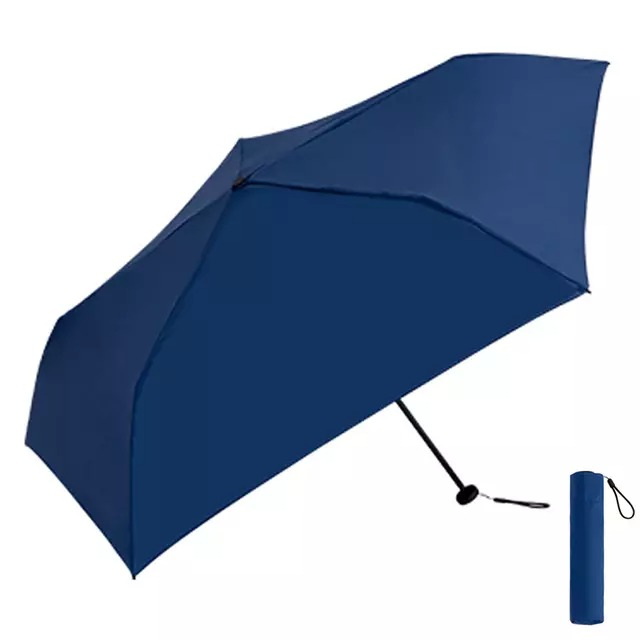
A folding umbrella, often called a compact or travel umbrella, has a telescopic shaft and multiple folding sections that collapse into a small size for bags and suitcases. Unlike long-stick umbrellas, a folding umbrella uses thinner ribs, more joints, and a compact mechanism, which are more prone to bending or jamming under stress.[5][6][7]
Most folding umbrellas share these key components: canopy fabric (usually polyester or nylon), ribs and stretchers, central shaft, runner/slider, handle, and sometimes automatic open/close button and internal spring system. Understanding how each part works makes it easier to repair a folding umbrella correctly and safely.[6][3][5]
Folding umbrella failures usually follow a few familiar patterns that you can diagnose quickly. Typical issues include:[7][6]
- Bent or broken ribs
- Ribs detached from the canopy
- Torn or punctured canopy fabric
- Jammed or sticking slider and shaft
- Loose or broken handle
- Automatic mechanism that will not open or close
By identifying the exact symptom, you can choose the right folding umbrella repair method instead of forcing the frame and causing further damage.[5][7]
Most folding umbrella repairs can be done with simple, low-cost tools at home. Consider preparing a small folding umbrella repair kit that includes:[4][3]
- Needle‑nose pliers and small adjustable pliers
- Small screwdrivers
- Fine‑gauge wire (for joints and ribs)
- Wire cutters
- Sewing needle and waterproof polyester or nylon thread
- Fabric patches or tent‑repair tape
- Strong adhesive or super glue
- Silicone‑based lubricant spray
For deeper repairs, it is also useful to have spare ribs, small nuts and bolts, and narrow metal sleeves or tubing to splint cracked rib sections on a folding umbrella. Having these items ready allows both individual users and service teams to handle multiple folding umbrellas efficiently.[3][6][5]
Before working on any folding umbrella, make sure it is dry or only slightly damp, and open it in a safe area where you can clearly see the frame. Use care when handling metal ribs, especially if they are cracked or rusty, because sharp edges can cut skin or fabric.[4][6][5]
In some cases, a folding umbrella should be replaced instead of repaired, such as when the central shaft is severely bent, several ribs are snapped near the hub, or main plastic sliders and joints are broken beyond reinforcement. These structural failures can cause the folding umbrella to collapse unexpectedly, so a new umbrella is safer and often more economical.[1][6][5]
Begin by carefully opening your folding umbrella and looking at it from both the outside (canopy) and the inside (frame). Check every rib, joint, and stretcher for bends, gaps, or missing pins, and note areas where the canopy fabric pulls unevenly or sags.[6][7][5]
Then close the folding umbrella and slowly extend and retract the shaft, paying attention to any spots where the slider sticks or suddenly releases. If you have an automatic folding umbrella, press the button in a controlled way to see whether the mechanism fires smoothly or struggles to lock.[2][7][5]
Bent ribs are one of the most common issues with a folding umbrella, typically caused by wind turning it inside out. If the rib is only slightly bent, open the folding umbrella halfway, support the rib with one hand, and gently straighten it using your fingers or padded pliers.[7][5][6]
For a localized kink or partial crack, you can splint the rib on your folding umbrella:
1. Cut a short piece of thin metal tubing or make a sleeve from a strip of soft metal.
2. Slide or wrap it over the damaged rib area.
3. Secure it tightly with fine wire, tightening with pliers so the pieces cannot move.
This simple reinforcement often restores enough strength for normal use of the folding umbrella, as long as the rest of the rib is in good condition.[9][5]
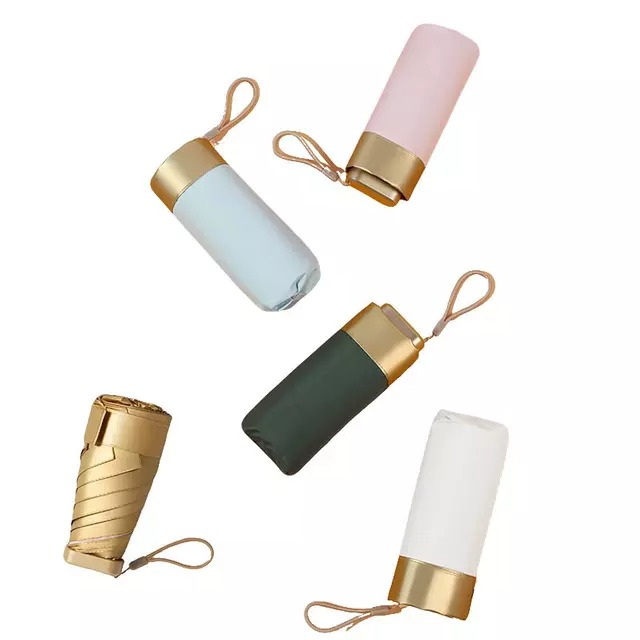
When a rib separates from another rib or from the main frame, it is often because a small pin, rivet, or plastic connector fell out or broke. On many folding umbrellas, you will see small holes at the joint where two rib sections overlap; these can accept replacement wire or a tiny fastener.[3][4][5]
To repair this on a folding umbrella:
1. Align the rib ends so the holes line up.
2. Thread a piece of thin wire through both holes.
3. Twist the wire ends firmly together and trim the excess.
Make sure the twisted portion lies flat and does not protrude, or it could snag and tear the folding umbrella canopy. This quick rewiring method can rescue a folding umbrella that otherwise would not open evenly.[4][6][3]
Sometimes the metal or plastic tip of a rib pulls free from the canopy fabric, causing one section of the folding umbrella to droop. Many canopies have small pockets or fabric loops where the rib tip should sit, and reattaching it is usually straightforward.[5][6][4]
Use strong, waterproof thread to stitch the rib tip back to the canopy: pass the needle through the fabric loop or pocket and around the rib tip several times, keeping stitches tight but not so tight that they tear the fabric. After reattaching all loose tips, open and close the folding umbrella a few times to check that the fabric is tensioned evenly.[6][4][5]
Canopy tears on a folding umbrella can come from sharp objects, frame edges, or long-term wear. For small holes or straight tears, you can repair the folding umbrella using either hand sewing or adhesive fabric tape.[4][5][6]
Basic sewing repair steps:
1. Clean and dry the area around the tear on your folding umbrella.
2. Thread a needle with waterproof nylon or polyester thread.
3. Sew small, even stitches along the tear, closing the gap without bunching the fabric.
Alternatively, fabric repair tape or a nylon patch can be applied on the inside of the folding umbrella canopy, cut slightly larger than the damaged area, and pressed firmly to bond. For large, complex tears affecting several panels, replacing the entire folding umbrella or canopy may be more effective than patching.[5][6][4]
A loose or broken handle affects comfort and control when using a folding umbrella, especially in strong wind. Many handles are simply press‑fit or glued onto the shaft of the folding umbrella, so they can be repaired with careful cleaning and adhesive.[4][5]
To repair:
1. Clean the shaft end and inside of the handle with water or rubbing alcohol to remove dust and oils.
2. Apply a small amount of strong glue inside the handle.
3. Push the handle onto the shaft of the folding umbrella, aligning any grooves or logos.
4. Hold in place until the adhesive sets, then avoid using the folding umbrella for around an hour to allow full curing.
If the handle plastic itself is cracked badly, replacement may be required; some OEM folding umbrella designs use removable handles, making this process easier.[6][5]
A jammed slider is another frequent complaint with a folding umbrella that will not open or close smoothly. Dirt, dust, and tiny bends in the shaft can stop the runner from moving freely, especially on older folding umbrellas.[7][5][6]
Follow these steps:
1. Fully close the folding umbrella and gently extend the shaft while watching for tight spots.
2. Wipe the shaft with a dry or slightly damp cloth to remove dirt.
3. Apply a light silicone‑based spray on the shaft and slider, avoiding the fabric as much as possible.
4. Slowly open and close the folding umbrella several times to distribute the lubricant and check for improvement.
If the slider still jams, look for bent metal or cracked plastic parts, which may need to be straightened or replaced to restore the folding umbrella's function.[10][5]
Automatic folding umbrellas use an internal spring and gear mechanism that stores energy when you close the umbrella and releases it when you press the button. Over time, dirt, misalignment, or worn parts can cause the automatic folding umbrella to stop opening or closing reliably.[2][5]
Basic checks include:
- Confirm that the button is not stuck or damaged.
- Inspect accessible sections of the mechanism for cracks or misaligned parts.
- Add a tiny amount of lubricant to gears or contact points if they are dry.
If the spring is broken or internal plastic gears are stripped, repairing an automatic folding umbrella at home becomes difficult, and replacing the umbrella is often recommended. For brands and OEM partners, using robust springs and tested auto mechanisms greatly reduces this type of failure in folding umbrellas.[11][2][5][6]
Good maintenance habits can significantly extend the life of a folding umbrella and reduce the need for repair. After use, shake off excess water and leave the folding umbrella open in a ventilated area until fully dry to prevent rust and mold.[5][6]
Avoid using a folding umbrella in extreme wind conditions where even strong frames can invert or snap. Regularly check ribs, joints, and stitching for early signs of wear so you can repair your folding umbrella before small problems become large failures.[12][7][6][5]
Even with careful repair work, some folding umbrellas will reach the end of their useful life. Consider replacement when:[6][5]
- The shaft of the folding umbrella is seriously bent or cannot lock securely.
- Multiple ribs are broken or repeatedly fail after repair.
- The canopy has large or multiple tears affecting weather protection.
- The automatic mechanism is broken at the spring or gear level.
In these cases, continued repair may cost more in time and materials than a new folding umbrella, and performance will still be compromised. Choosing a higher‑quality folding umbrella with stronger ribs and better components can provide better long‑term value.[12][5][6]
For overseas brand owners, wholesalers, and importers working with OEM partners, designing a more durable folding umbrella can drastically reduce returns and customer complaints. Attention to repair‑related details during development leads to folding umbrellas that are easier to maintain and more reliable in real use.[8][7][6]
Key OEM considerations:
- Use thicker, rust‑resistant ribs and stretchers in the folding umbrella frame.
- Reinforce joints and slider components with stronger materials or extra support.
- Select high‑quality polyester or pongee canopy fabrics with strong stitching.
- Specify robust automatic mechanisms that are tested for repeated open/close cycles.
- Design handles and shafts to allow easier repair or replacement where possible.
These elements not only improve user experience but also support brand positioning as a provider of durable, high‑performance folding umbrellas.[12][6]
Repairing a folding umbrella is often a simple and rewarding task that can keep a trusted travel companion in service for many more rainy days. With basic tools, a bit of patience, and the right techniques, users can straighten bent ribs, rewire broken joints, mend torn canopies, restore loose handles, and smooth out jammed mechanisms on a folding umbrella.[3][4][5]
However, it is equally important to recognize when a folding umbrella is too damaged to repair safely and when investing in a higher‑quality or professionally designed OEM folding umbrella is the smarter choice. For brands and wholesalers, working closely with an experienced folding umbrella OEM manufacturer allows you to design products that are not only stylish but also durable, repairable, and trusted by end users worldwide.[7][5][6]
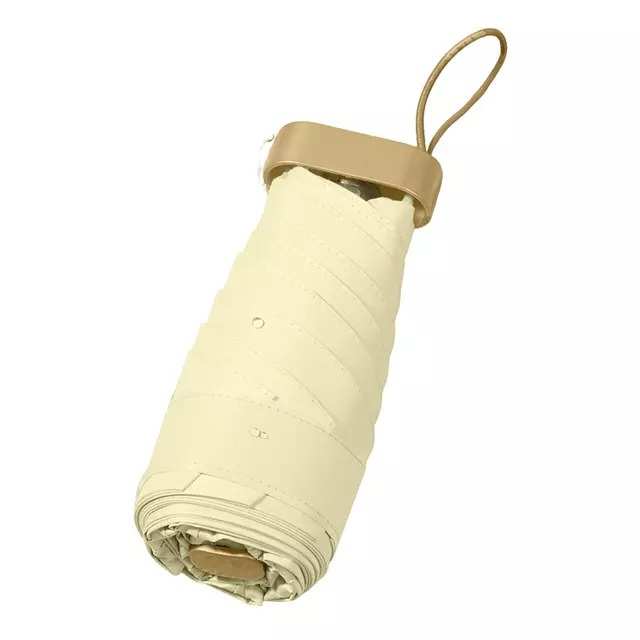
It is a good idea to inspect your folding umbrella briefly after heavy rain or strong wind, especially if it has been flipped or stressed. A quick check of ribs, joints, and canopy stitching helps you catch small issues early and repair your folding umbrella before they become serious failures.[7][5][6]
On many folding umbrellas, individual ribs can be replaced if you can find a matching part or a compatible spare rib. You will need to remove the damaged rib, match the length and shape, and attach the new one securely to the hub and canopy, ensuring your folding umbrella opens evenly.[5][6]
Most folding umbrellas use water‑repellent polyester or nylon, but repairs can leave seams or patches that need extra protection. After sewing or patching, you can lightly spray the area with a fabric‑safe water‑repellent spray and allow it to dry completely to help your folding umbrella shed water more effectively.[6][5]
Rust on folding umbrella ribs and shafts usually comes from storing the umbrella while wet or from long‑term exposure to moisture. To prevent rust, always allow your folding umbrella to dry fully before folding and storing it, and occasionally wipe metal parts clean, especially around joints and springs.[5][6]
Brands should look for OEM partners with experience in folding umbrella design, strict quality control, and the ability to use high‑grade materials for frames and mechanisms. It is also important to review sample folding umbrellas under real conditions—opening, closing, and stress testing—to ensure the products will perform reliably and minimize after‑sales repair issues.[12][7][6]
[1](https://smart.dhgate.com/step-by-step-guide-to-repairing-your-foldable-umbrella-like-a-pro/)
[2](https://www.fultonumbrellas.ca/how-to-fix-automatic-umbrella/)
[3](https://www.ifixit.com/Device/Umbrella)
[4](https://www.wikihow.com/Repair-an-Umbrella)
[5](https://hauserspatio.com/blog/how-to-repair-umbrellas-a-complete-guide/)
[6](https://www.cubicpromote.com.au/blog/umbrella-maintenance-and-repair-tips)
[7](https://smart.dhgate.com/step-by-step-guide-to-repairing-a-folding-umbrella-practical-tips-for-lasting-fixes/)
[8](https://bluntumbrellas.com/pages/repair-tutorials)
[9](https://forum.mrmoneymustache.com/do-it-yourself-forum!/how-to-fix-an-umbrella/)
[10](https://uv-blocker.com/blogs/sun-protection/quick-fixes-for-jammed-outdoor-portable-umbrella-mechanisms)
[11](https://uv-blocker.com/blogs/sun-protection/broken-locking-mechanisms-travel-sun-umbrellas)
[12](https://labellaumbrellas.com.au/blogs/how-to/fix-guide-troubleshoot-compact-folding-umbrellas)


