
Language
Please Choose Your Language
Views: 222 Author: Amanda Publish Time: 2025-11-18 Origin: Site


Content Menu
● Understanding the Components of a Patio Umbrella
● Common Patio Umbrella Repairs and How to Do Them
>> Repairing Broken or Bent Ribs
>> Replacing the Umbrella String
>> Repairing Torn Canopy Fabric
>> Fixing a Malfunctioning Crank
>> Stabilizing a Leaning Umbrella Pole
● Essential Tools and Materials for Patio Umbrella Repair
● Maintenance Tips for Longevity
● FAQ
>> 1. How do I know if a patio umbrella rib can be repaired or needs replacing?
>> 2. What kind of string is best to replace in the patio umbrella pulley system?
>> 3. Can I sew my patio umbrella fabric repair by hand, or should I use a sewing machine?
>> 4. How often should I lubricate the crank mechanism?
>> 5. What is a quick and low-cost fix for a leaning umbrella pole?
Patio umbrellas are a valuable addition to any outdoor space, offering shade and comfort on sunny days. However, with frequent use and exposure to the elements, patio umbrellas can develop issues such as broken ribs, torn canopy fabric, malfunctioning crank mechanisms, or leaning poles. Repairing these problems at home can extend the life of your patio umbrella, save money, and reduce waste. This comprehensive guide provides detailed DIY instructions to fix common patio umbrella problems, ensuring your umbrella stays functional and attractive for years.
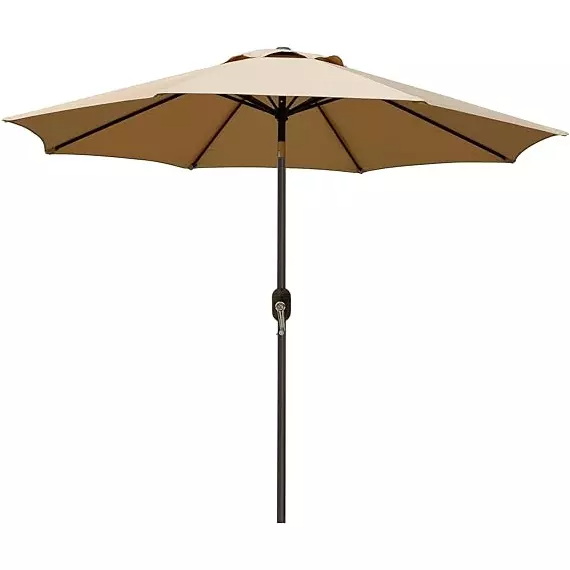
Before starting any repairs, it's important to understand the key parts of a patio umbrella:
- Canopy: The fabric section providing shade.
- Ribs: Metal or fiberglass supports that hold the canopy open.
- Pole: Central shaft that supports the umbrella.
- Crank and Pulley System: Used to open or close the umbrella.
- Hub and String: Connect ribs to the pole and operate the mechanism.
Knowing these parts helps you diagnose problems and apply appropriate repairs.
Broken ribs are one of the most frequent issues that cause the canopy to sag or collapse. Here's how to repair them:
1. Locate the Break
Fully open the umbrella and identify the broken rib(s). Check for cracks, breaks, or bends.
2. Prepare a Reinforcement Sleeve
Use a 6-inch piece of 5/8-inch copper tubing or a wooden dowel as a splint. Flatten the copper with a hammer so it can fit over the broken rib parts snugly.
3. Attach the Sleeve
Slide the flattened copper piece over the break, ensuring it covers both broken ends. Leave a small space in the center to drill a hole.
4. Secure the Sleeve
Drill small holes through the copper and rib. Use bolts, nuts, and washers to fasten them tightly. Alternatively, wrap the area securely with zip ties or metal clamps for a temporary fix.
5. Test the Repair
Open and close the umbrella several times to check stability. Make sure the rib holds firmly without flexing excessively.
If a rib is severely damaged or missing, replacing it with a new rib matching the original dimensions may be necessary.
The string inside the pulley and crank system can snap or become loose, stopping the umbrella from opening or closing correctly.
1. Remove the Canopy Fabric
Take off the canopy to access the umbrella's internal mechanism.
2. Disassemble the Crank Casing
Unscrew the crank housing at the base of the pole. Remove the cotter pin, nut, cog, and washer carefully.
3. Remove the Old String
Pull out the broken or frayed string from the crank mechanism and umbrella hub.
4. Thread New String
Attach a new heavy-duty outdoor cord. Feed it through the umbrella hub, up to the pulley at the top, and back down the hollow pole.
5. Reattach and Secure
Tie knots on both ends so the string won't slip. Reassemble the crank casing and replace the canopy.
Test the umbrella by opening and closing it slowly several times to ensure smooth operation.
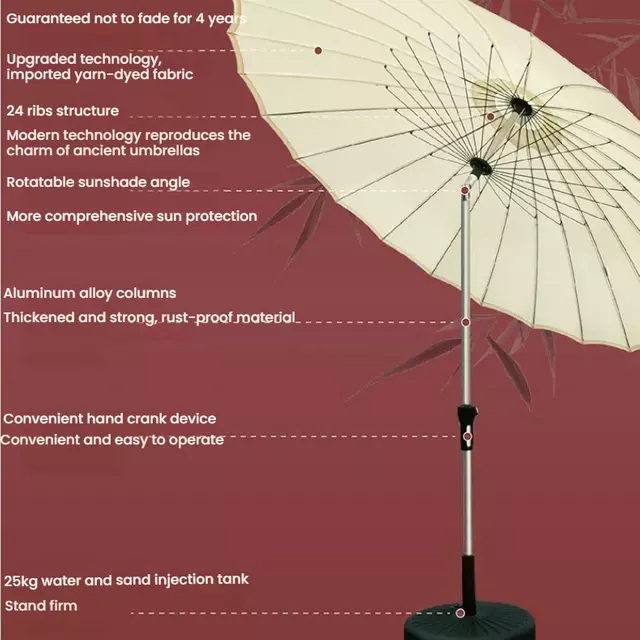
Tears or holes in the canopy reduce its effectiveness against sun and rain. You can repair small to medium tears at home:
1. Clean and Trim Edges
Remove dirt from the torn area and trim frayed edges close to the tear.
2. Sew the Tear
Using outdoor-grade heavy-duty thread and a strong needle, sew the edges together with tight, even stitches. For larger tears, a sewing machine works better.
3. Apply Fabric Glue (Optional)
Apply fabric glue over your stitches to further reinforce the repair and prevent water infiltration.
4. Patch Large Holes
If the damage is extensive, cut a fabric patch slightly larger than the hole and sew or glue it onto the canopy.
5. Replace the Canopy
For severely worn or faded fabric, replacing the entire canopy may be the best option.
If the crank becomes stiff or won't turn, it could be due to worn gears or obstructions.
1. Remove the Crank Housing
Unscrew the casing to expose gears and pulleys.
2. Clean and Lubricate
Remove dirt and old grease from the mechanism. Apply a lubricant suitable for metal components.
3. Inspect for Damage
Check for broken gears, missing washers, or bent parts. Replace any damaged components.
4. Reassemble and Test
Put the crank back together and test for smooth operation.
A leaning umbrella pole can be unsafe and annoying.
1. Check the Swivel Joint
Tighten any loose connections with hose clamps or screws.
2. Secure the Base
Make sure the umbrella base is heavy and stable. Add weights if necessary.
3. Straighten or Replace Pole
If bent, carefully try to straighten the pole or consider replacing it.
Regular checks and adjustments can prevent leaning issues from worsening.
- Drill and drill bits
- Hammer
- Screwdrivers (flathead and Phillips)
- Needle-nose pliers
- Heavy-duty outdoor thread and needle or sewing machine
- Fabric glue
- Replacement string or cord (nylon or synthetic)
- Copper pipe piece or wooden dowel for rib reinforcement
- Zip ties or hose clamps
- Bolts, nuts, and washers
Having these tools on hand makes repairs more manageable and effective.
- Clean canopy fabric regularly with mild soap and water to prevent mildew and stains.
- Always close and secure your umbrella during strong winds and storms.
- Store your umbrella in a protective cover or indoors during winter.
- Lubricate crank mechanisms and inspect ribs and strings annually.
- Address minor repairs immediately before they worsen.
Repairing a patio umbrella is a practical way to extend its usability and save the cost of replacements. Whether it's fixing broken ribs, replacing snapped strings, patching torn fabric, or servicing the crank mechanism, these DIY fixes enable you to keep your umbrella functional and looking great. Regular maintenance and timely repairs also prevent further damage, ensuring your outdoor space remains comfortable and protected season after season.
If the rib is cracked or bent but intact, reinforcing with copper or dowels is effective. Completely snapped ribs require replacement for safety and durability.
Use heavy-duty outdoor nylon or synthetic cord that resists UV damage and tension to ensure long-lasting performance.
Small tears can be hand-sewn with outdoor thread, but large repairs are more durable and easier with a sewing machine.
Lubricate at least once a year or when the crank starts feeling stiff to maintain smooth operation.
Tightening the swivel joint with hose clamps and securing the base with weights can provide a fast and effective fix.
[1](https://www.patioproductions.com/blog/how-to/how-to-repair-patio-outdoor-umbrella/)
[2](https://www.patiowell.com/blogs/tips-how-tos/umbrella-repair)
[3](https://lausaint.com/blogs/news/how-to-fix-a-patio-umbrella)
[4](https://www.aosom.com/blog-how-to-fix-a-patio-umbrella-ultimate-diy-guide.html)
[5](https://www.youtube.com/watch?v=Nnldh1edkQc)
[6](https://hauserspatio.com/blog/how-to-repair-umbrellas-a-complete-guide/)
[7](https://hauserspatio.com/blog/care-and-repair-of-your-outdoor-umbrella-part-2/)
[8](https://www.sunnilandpatio.com/blogs/sunniblog/guide-to-patio-umbrellas-repair-parts)
[9](https://www.lowes.com/n/how-to/umbrella-stand-repair)
[10](https://www.loctiteproducts.com/ideas/fix-stuff/repairing-a-patio-umbrella.html)


