
Language
Please Choose Your Language
Views: 222 Author: Amanda Publish Time: 2025-11-18 Origin: Site


Content Menu
● Understanding the Patio Umbrella Mechanism
● Step-by-Step Restringing Guide
>> Step 1: Prepare Your Workspace and Remove the Canopy
>> Step 2: Straighten Your Wire Hanger
>> Step 3: Remove Old String and Study String Path
>> Step 4: Attach String to Wire Hook and Thread Through Pole
>> Step 5: Thread String Through Pulleys
>> Step 6: Attach String to Crank Assembly
>> Step 7: Reassemble Crank and Secure Bolts
>> Step 8: Tie String to the Canopy Yoke
● Advanced Tips for a Successful Restring
● Troubleshooting Common Issues
● Frequently Asked Questions (FAQ)
>> 1. How long does it typically take to restring a patio umbrella?
>> 2. What type of string is best for restrings?
>> 3. Can I restring a patio umbrella without removing the fabric canopy?
>> 4. What should I do if the pulley system is damaged?
>> 5. How can I prevent the string from fraying?
Patio umbrellas are a popular addition to outdoor spaces, providing shade and comfort on sunny days. However, the stringing mechanism that opens and closes the patio umbrella can wear out or break over time due to constant use and exposure to weather. Learning how to restring a patio umbrella can save you money on repairs and extend the life of your umbrella. This detailed guide will walk you through the entire restringing process, the tools required, troubleshooting tips, and answers to common questions to help you restore your patio umbrella to full function.
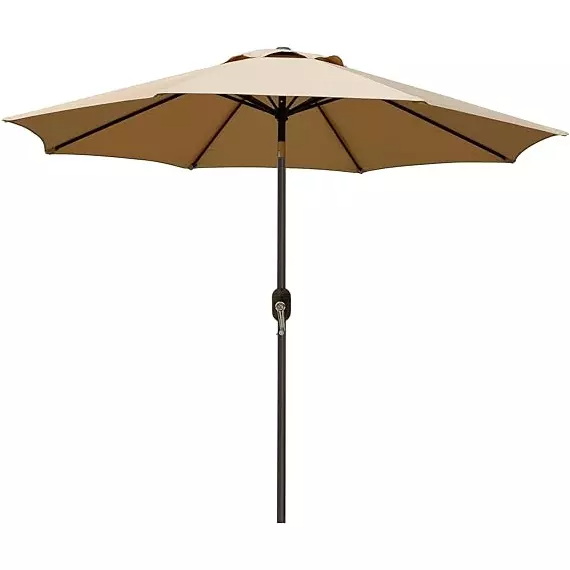
A patio umbrella typically operates through a pulley and crank system. When you turn the crank, it winds or unwinds the string that runs through pulleys inside the umbrella pole and ribs. This string movement raises or lowers the umbrella canopy, allowing you to open or close it smoothly.
Inside the pole, the string is connected to the crank handle assembly at the bottom and travels upwards, passing through pulleys near the top that guide the string to the ribs supporting the canopy. Springs help lock the umbrella in the open or closed position. Knowing this basic mechanism is essential before starting the restringing process.
Before beginning, gather the following tools and materials:
- Replacement string or cord (1/4 inch diameter is common and durable)
- Needle-nose pliers
- Scissors
- Screwdriver (flathead and Phillips)
- Adjustable wrench or socket wrench
- Wire coat hanger (straightened, for pulling the string through difficult spots)
- Lighter or match (to seal the string ends and prevent fraying)
- Flashlight (helps to see inside the pole)
- Cloth or gloves (optional, for grip and protection)
Clear a spacious workspace free of obstructions. Remove the fabric canopy by unscrewing any finials or clips holding it to the ribs. Detach the canopy fabric carefully from the pockets on each rib. Removing the canopy exposes the umbrella skeleton and pulley system, making restringing easier.
Straighten a metal wire coat hanger to use as a pulling tool for the string. Bend a small hook at one end to securely hold the replacement string while threading it inside the pole.
Pull out all pieces of the old broken string from inside the pole and pulleys. Use a flashlight to check the pulley system. Take photos and note the threading path if needed; understanding how the string weaves through the pulleys will save difficulty later.
Secure one end of your new string to the hook on the wire hanger using needle-nose pliers. Slowly feed the hanger with the attached string down the umbrella pole, guiding the string through the internal passage. Pull the string out from the access hole midway down the pole when it appears.
Feed the string through the pulley located at the top of the umbrella frame. Then thread it through the smaller pulleys connected to each rib. The threading must follow the original pattern for the umbrella to open and close smoothly.
Pass the string through the crank handle hole inside the pole, usually at the bottom of the umbrella. Tie a tight double knot to secure it. Seal the knot ends using a lighter or match to prevent fraying.
Reinstall the crank assembly in its housing if dismantled. Tighten the nuts and bolts carefully, avoiding overtightening which may damage the pole or mechanism.
Run the loose string end down to the yoke that attaches to the ribs. Pass the string through any holes or loops and tie a strong knot to fix it in place.
Manually push the yoke to close the umbrella gently. Then, use the crank to wind the string and open the umbrella fully. The canopy should open and close smoothly without excessive slack or tension in the string.
- Always remove the canopy before restringing to avoid damaging the fabric.
- Use needle-nose pliers to help pull string through tight spaces.
- Take detailed notes or photos of the pulley and string arrangements before disassembly.
- If you face difficulty threading the string, use a wire hanger or flexible rod to assist.
- Avoid overtightening nuts on the crank to prevent stripping or bending parts.
- To extend string life, choose UV-resistant and weatherproof cords.
- Lubricate pulleys sparingly if the mechanism feels stiff.
- If the umbrella doesn't open fully, check if the string is too loose or slipped out of pulleys.
- If closing is difficult or jammed, inspect for worn or broken pulleys and replace if necessary.
- If the string repeatedly breaks, purchase a heavier-duty cord and ensure smooth pulley paths.
- If the crank won't wind, verify that the string is securely attached and not tangled.
- Regularly inspect the string for signs of wear or fraying.
- Clean out debris from the umbrella pole and pulleys to prevent jams.
- Store the umbrella in a dry location or cover it during harsh weather to protect the string and fabric.
Restringing a patio umbrella allows you to restore its functionality and extend its usable life without costly replacements. With basic tools, patience, and careful attention to the pulley system, restringing can be accomplished by most DIY enthusiasts. Following the step-by-step process and tips outlined ensures a smooth restringing job for your patio umbrella, bringing convenience and shade back to your outdoor space.
Restringing usually takes between one to two hours, depending on your skill level and the complexity of the umbrella's pulley mechanism.
A durable, weather-resistant cord approximately 1/4 inch in diameter is ideal for most patio umbrella models, offering strength and longevity.
Removing the canopy is highly recommended as it provides better access and avoids damaging the umbrella fabric during restringing.
Worn or broken pulleys should be replaced promptly. New pulleys can usually be sourced from umbrella parts suppliers or manufacturers.
Seal the ends of the string knots with a lighter or match flame to fuse the fibers, preventing fraying and prolonging string life.
[1](https://lausaint.com/blogs/news/how-to-restring-a-patio-umbrella)
[2](https://www.reddit.com/r/LivingEssentials/comments/1ls90ac/how_do_you_restring_a_patio_umbrella/)
[3](https://www.umbrellasource.com/how-to-restring-an-umbrella)
[4](https://www.youtube.com/watch?v=iPKAhL00t_E)
[5](https://www.patioproductions.com/blog/how-to/how-to-repair-patio-outdoor-umbrella/)
[6](https://www.youtube.com/watch?v=gbncQNTecpc)
[7](https://openbackyard.com/how-to-restring-patio-umbrella/)
[8](https://mygardenplans.com/how-to-restring-a-crank-and-tilt-patio-umbrella/)
[9](https://www.patiowell.com/blogs/tips-how-tos/umbrella-repair)
[10](https://www.patioproductions.com/blog/how-to/how-to-repair-patio-outdoor-umbrella/?srsltid=AfmBOoo99WTqA8X5QsaaJqz-iRk3HfU_vwxmyQZcV2cKjmFf0KbZLL7u)


