
Language
Please Choose Your Language
Views: 222 Author: Amanda Publish Time: 2025-11-06 Origin: Site


Content Menu
● Wind Dynamics and Umbrella Design
● Material selections that contribute to wind performance
● Base, Mounting, and Stability
● Calculating base requirements
● Wind-Resistant Features for Patio Umbrella
● Installation and Use Guidelines for OEM Deployments
● Maintenance, Inspection, and Warranties
● Materials, Customization, and OEM Capabilities
● Safety, Compliance, and Warranties
● Summary
● FAQ
>> 1: What base weight is recommended for a 9–10 ft Patio Umbrella?
>> 2: How should the canopy be vented or shaped to improve wind resistance?
>> 3: Which base types are best for different surfaces (concrete, wood, decking)?
>> 4: How often should components be inspected to maintain wind resistance?
>> 5: What warranty considerations apply to wind-related damage?
Outdoor comfort hinges on reliable shade, and a Patio Umbrella is a cornerstone of many hospitality, resort, and residential settings worldwide. For OEM partners serving foreign brands and wholesalers, delivering a wind-resilient solution means more than a sturdy frame; it requires an integrated approach that combines materials, design, bases, installation, maintenance, and clear guidance for end users. This article delves into practical strategies that strengthen wind resistance, maximize safety, and support your OEM capabilities—from material selection to testing protocols and after-sales guarantees. By focusing on the essentials of wind performance and the ways to tailor these solutions for different markets, the content helps processors, distributors, and brand owners deliver dependable, premium Patio Umbrella products that stand up to diverse climates and customer expectations.
Wind exerts complex forces on a Patio Umbrella, influencing both the canopy and the supporting structure. A thoughtful design considers these factors from the outset.
- Canopy ventilation: Venting reduces pressure buildup inside the canopy, lowering the risk of fabric distortion or frame fatigue. Vent design should balance airflow with weather protection and aesthetics.
- Frame and rib geometry: Ribs made from flexible yet strong materials—such as reinforced aluminum or fiberglass—absorb gusts rather than snapping under load. A robust hub and high-quality pivot joints minimize wobble and loosening under wind stress.
- Mast and base interface: The interaction between the mast and base determines stability. A secure connection with adequate preload prevents movement that could amplify wind-induced swaying.
- Cantilever vs center-pole geometry: Cantilever designs offer wide canopy areas but can catch more wind. Strategic reinforcement, heavier bases, and wind-aware anchoring mitigate sail-like effects. Center-pole models benefit from balanced weight distribution and integrated locking mechanisms.
- Ribs: Fiberglass ribs provide superior-flexural strength and fatigue resistance. Aluminum ribs with reinforced joints also perform well under cyclic loading.
- Canopies: Acrylic and high-denier polyester fabrics with versatile tensioning resist flapping and tearing in gusts.
- Framework coatings: Corrosion-resistant finishes maintain rigidity and prevent micro-deformations that could loosen joints over time.
- Fasteners: Stainless steel or marine-grade fasteners resist loosening and corrosion in outdoor environments, maintaining consistent performance.
A Patio Umbrella's wind resilience hinges on how well the base and mounting system anchor it to the ground or deck. OEM solutions should offer a range of configurable options to address different installation sites and market requirements.
- Fixed concrete bases: Heavy, immovable bases provide the highest resistance to lateral forces. Base weights should be specified to match canopy size and anticipated wind speeds, with clear guidelines for safe operation.
- Weighted portable bases: Movable bases with high-contrast ballast systems allow flexible deployment in various venues. Weights need to be easily manageable but secure enough to prevent tipping.
- In-ground or sleeve bases: In-situ installations provide excellent stability for public spaces and permanent installations, especially in windy coastal regions.
- Cantilever base configurations: Cantilever umbrellas require additional emphasis on anchoring since the cantilever design presents a longer moment arm. Solutions include heavier bases, dual-leg support, and anti-tip accessories.
- Determine the canopy diameter and anticipated wind exposure for the installation site.
- Use a conservative base weight guideline to account for gusts and weather variability; where possible, provide a base weight range to accommodate minor site differences.
- Include situational adjustments for multiple umbrellas in proximity, where crosswinds may alter performance.
When assessing wind resistance, several features stand out as particularly effective for Patio Umbrella designs intended for OEM partnerships.
- Reinforced joint areas: Strengthened hubs, arm joints, and mast-to-rib connections reduce the likelihood of loosening or failure under gusts.
- Canopy tensioning systems: Tensioned canopies maintain fabric integrity and reduce flutter in wind, extending canopy life.
- Venting and aerodynamics: Properly positioned vents relieve internal pressure, lowering the risk of canopy inversion and fabric distortion.
- Anti-tilt and anti-slip bases: Secure bases reduce foundation movement and prevent tipping during surprises gusts.
- Materials durability: Coatings that resist UV degradation and corrosion help maintain structural stiffness and long-term wind performance.
- Quick-release safety features: In some designs, quick-release clamps or locking mechanisms enable controlled, safe retraction in high winds, protecting both users and assets.
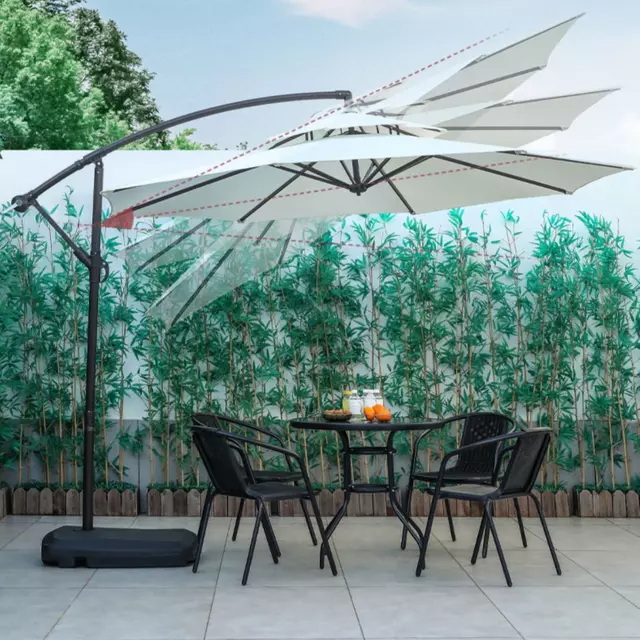
Clear, repeatable installation instructions are essential when supplying Patio Umbrellas for international markets.
- Site assessment: Evaluate surface type, anchor availability, and wind exposure before deployment. This informs base selection and installation approach.
- Base installation: Ensure bases are level, properly weighted, and securely connected to the mast or cantilever frame. Use anti-slip materials where necessary to prevent movement on slick surfaces.
- Canopy setup: Align the canopy with anticipated wind direction to minimize exposed sail area and reduce torsional stress on the ribs.
- User education: Provide concise guidance on safe operation, including weather thresholds for closing or securing the umbrella and recommended storage procedures during storms.
- Seasonal considerations: Establish routines for retracting or securing umbrellas during off-seasons or high-wind periods to minimize exposure.
Sustained wind resistance requires proactive maintenance.
- Regular inspections: Check rib positions, hub integrity, joint tightness, and base attachments. Look for signs of corrosion, wear, or fatigue in moving parts.
- Lubrication and lubrication intervals: Apply appropriate lubricants to moving joints to minimize friction and preserve performance.
- Fabric care: Inspect canopy seams for wear and address fabric thinning or UV damage promptly to prevent tear propagation.
- Warranty clarity: Define coverage for wind-related damage, including exclusions, testing requirements, and conditions that may void coverage. Align warranties with regional exposure risks and maintenance expectations.
Your OEM offerings should emphasize end-to-end solutions from design iteration to mass production.
- Custom frame configurations: Offer a range of rib materials, hub designs, and mast profiles to optimize wind resistance for different market needs.
- Canopy options: Provide choices in fabric type, density, and color-fastness to balance aesthetics with performance.
- Base and mounting customization: Deliver a spectrum of base weights and mounting options to suit concrete, wooden decks, and tiled surfaces, including in-ground sleeves for permanent installations.
- Surface finishes: Corrosion-resistant coatings, color options, and branding opportunities enable differentiation in international markets.
- Prototyping to production: Rapid prototyping cycles with rapid tooling and scalable manufacturing processes help clients bring wind-secure Patio Umbrellas to market quickly.
Compliance ensures confidence across borders.
- Safety standards: Adhere to product safety guidelines relevant to target markets, including mechanical strength and stability criteria.
- Environmental considerations: Use durable, recyclable materials where feasible and document supplier certifications.
- Warranty terms: Provide transparent wind-resistance warranties, with clear testing requirements and maintenance prerequisites.
Wind resilience for Patio Umbrella designs is a holistic objective. By integrating reinforced frames, vented canopies, robust bases, precise installation guidelines, and clear OEM capabilities, products can meet the needs of international brands and wholesalers seeking durable, wind-resistant shading solutions. Emphasizing customization, testing, and warranties reinforces trust and accelerates market adoption.
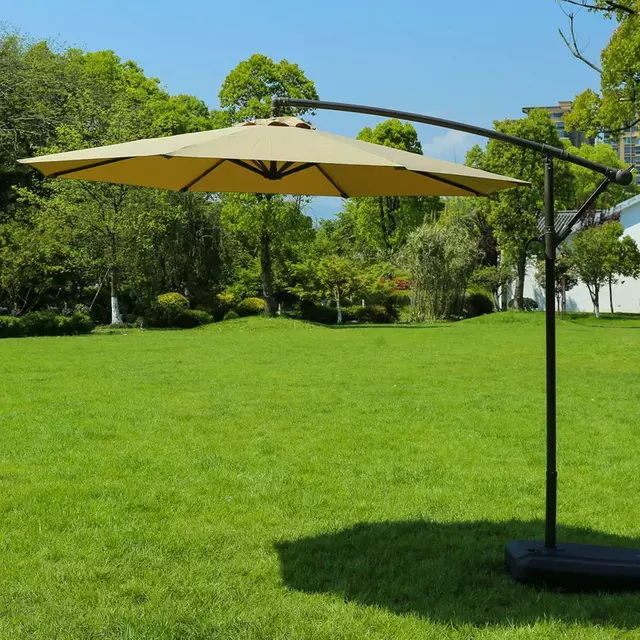
The recommended base weight depends on canopy size, wind exposure, and surface type. For a 9–10 ft canopy, a heavier base (when possible) is typically advisable, with precise figures provided in your product specs and testing data. Always follow the manufacturer's wind rating and the installation guidelines to determine the exact weight requirements for a given site.
Proper venting reduces internal pressure and flutter. A well-designed vent allows controlled air passage while preserving shade coverage and aesthetics. Canopy shape and fabric tensioning also influence wind flow and overall stability.
Concrete and paved surfaces are ideal for heavy, fixed bases with high ballast. Wood and deck surfaces benefit from reinforced bases with secure anchoring and anti-slip features. In all cases, base design should accommodate local wind conditions and surface integrity.
Schedule periodic inspections at least every season or after significant weather events. Check rib alignment, hub integrity, joint tightness, base connections, and fabric wear. Document findings and perform maintenance as required.
Warranty considerations should cover structural failures due to wind loading within specified ratings, provided routine maintenance guidelines have been followed. Include testing procedures and clear exclusions for user-induced damage, improper installation, or weather events beyond rated limits.
[1](https://purpleleafshop.com/blogs/news/patio-umbrella-wind-safety)
[2](https://www.greenwashingindex.com/best-patio-umbrella-for-wind/)
[3](https://www.midtownumbrellas.com/blogs/news/what-wind-speed-should-you-close-your-patio-umbrella)
[4](https://www.shadowspec.com/articles/outdoor-umbrella-wind-rating-a-guide/)
[5](https://decoroutdoor.com/blog/patio-umbrella-buying-guide-use-wind/)
[6](https://www.instantshadeumbrellas.com.au/wind-rating-explained/)
[7](https://www.brumbrellas.com/how-to-choose-the-right-windproof-patio-umbrella/)
[8](https://umbrellaspecialist.com/cantilever-patio-umbrella-the-ultimate-guide/)
[9](https://mybaser.com.au/best-umbrella-guide-which-umbrella-to-choose)


