
Language
Please Choose Your Language
Views: 222 Author: Amanda Publish Time: 2025-11-20 Origin: Site


Content Menu
● Why Set Up an Outdoor Tent Indoors?
● What You Need Before You Start
● Step-by-Step Guide to Setting Up Your Outdoor Tent Indoors
>> Choose the Optimal Location
>> Unpack and Organize Tent Components
>> Secure Tent Base Without Stakes
>> Arrange the Interior Comfortably
>> Optional Decorative Enhancements
● Essential Tips for Indoor Outdoor Tent Setup
● Common Challenges and Solutions
● Creative Uses for Indoor Outdoor Tent Setups
● FAQ
>> 1. How do I secure an outdoor tent indoors without stakes?
>> 2. Can I set up any type of outdoor tent inside?
>> 3. Is it safe to use lighting inside the tent?
>> 4. What should I place under the tent to protect my floor?
>> 5. Can indoor tent setup help improve my outdoor camping?
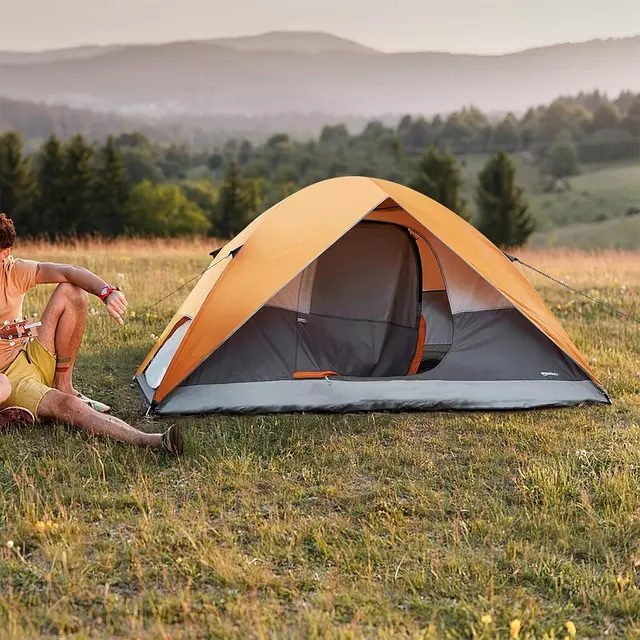
Setting up an outdoor tent inside is a creative and practical way to enjoy the camping experience regardless of the weather outside or to practice tent assembly in a controlled environment. Whether for fun, training, or creating a cozy indoor retreat, this detailed guide will help you set up your outdoor tent indoors successfully. From preparation to finishing touches, this guide covers everything you need for a stable, comfortable, and enjoyable indoor outdoor tent experience.
Bringing your outdoor tent indoors can serve several purposes:
- Practice: Prepare for outdoor camping by practicing tent assembly.
- Indoor Camping: Create a fun, safe camping atmosphere for children.
- Comfort Zone: Use the tent as a cozy relaxation or reading nook.
- Gear Testing: Check your tent's condition and features in a controlled setting.
- Emergency Preparedness: Familiarize yourself with shelter setup for emergencies.
Before starting your indoor tent setup, gather the following items:
- Your outdoor tent along with poles and rainfly.
- Blankets or rugs for floor protection and added cushioning.
- Heavy objects such as sandbags, books, or furniture to secure the tent base.
- Sleeping bags, cushions, and pillows for interior comfort.
- Battery-operated lights or LED string lights for ambiance and safety.
Since indoor spaces lack natural ground to stake into, securing the tent requires alternative anchoring methods, which will be explained in detail.
Select a spacious, flat area inside your home with ample room for the tent's footprint and height. Clear away fragile items and ensure enough space for entering and exiting the tent comfortably.
Protect your floor and add comfort by placing thick blankets or rugs where the tent will sit. This layer acts as insulation and prevents damage to flooring and the tent floor.
Lay out all parts: tent body, poles, rainfly, and accessories. Ensure all poles and components are intact to prevent setup interruptions.
Connect the tent poles as per the manufacturer's guidance. Different tents may have unique pole systems like shock-corded segments, snap-in joints, or flexible fiberglass poles.
Insert poles through pole sleeves or clip them onto tent hooks depending on the design. Gently position the tent upright by raising and centering the poles.
In the absence of soil for stakes, use heavy objects—like sandbags, stacked books, or weighted furniture—to hold down tent corners and edges. Tying guy lines to stationary furniture also helps maintain stability.
Drape the rainfly over the tent, aligning with doors and windows. Attach it securely using provided clips or velcro straps to simulate outdoor protection and improve privacy.
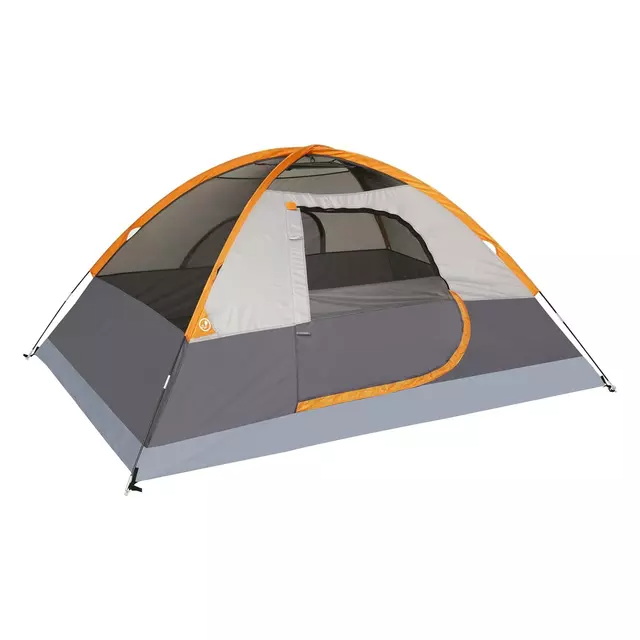
Lay out sleeping bags, pads, pillows, and blankets inside the tent. Set up lighting with battery-powered lanterns or LED string lights to safely create a camping atmosphere.
Enhance the indoor camping vibe by adding camping gear, faux campfires, nature sounds, or themed decorations. These touches make the experience immersive and enjoyable for all ages.
- Ensure good ventilation by keeping door flaps ajar or windows open when possible.
- Avoid using open flames or anything generating heat inside the tent.
- Keep the tent floor clean and shoe-free to prolong its life.
- Use extra padding like foam mats or tarps under sleeping bags for warmth.
- For non-freestanding tents, secure guy lines indoors to strong furniture or mounted hooks.
- Insufficient Space: Measure beforehand to avoid cramped setups.
- Elasticity of Poles: Handle poles delicately to prevent breakage.
- Floor Slippage: Use rubber-backed mats under blankets to prevent sliding.
- Lighting Safety: Prefer battery-powered LEDs to avoid fire hazards.
- Anchoring Guy Lines: Use indoor hooks or heavy furniture to simulate outdoor stakes.
- Children's Playhouse: An imaginative space for kids to play or read.
- Quiet Nook: A peaceful retreat for meditation or personal time.
- Sleepovers: Safe indoor camping experience for family or friends.
- Photo Shoots: Unique backdrop for photography with natural camping vibe.
- Training Space: Practicing assembly skills ahead of an outdoor trip.
Setting up your outdoor tent indoors offers a versatile and enjoyable way to experience camping without leaving home. It enables practice for outdoor adventures while also providing a cozy, imaginative space inside. By following these thorough steps, using household items to secure your tent, and enhancing the ambiance with comfortable accessories, indoor outdoor tent setups become both practical and fun.
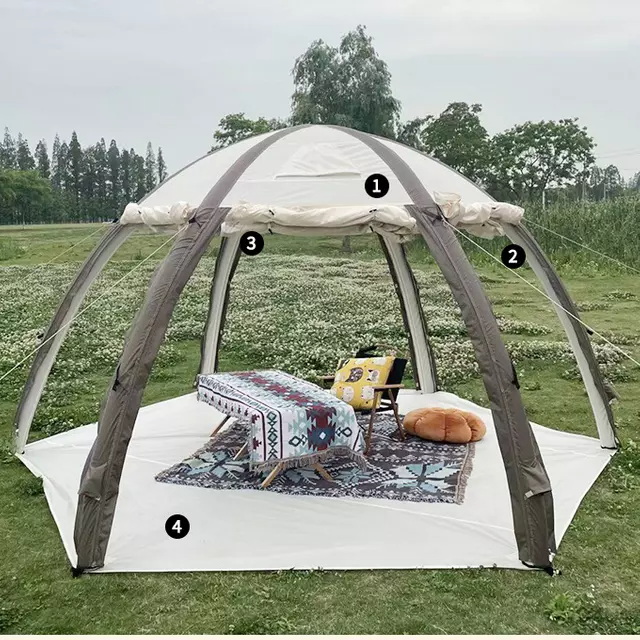
Since you can't stake into the floor, use heavy objects like sandbags, books, or furniture to anchor the tent's corners. You can also tie guy lines to sturdy furniture or install wall hooks to provide tension and stability.
Most freestanding tents are suitable for indoor setups because they don't require stakes to keep their shape. However, tents requiring stakes may need alternative anchoring methods, such as tying guy lines to indoor fixtures.
Yes, but only use battery-powered LED lanterns or string lights, which produce minimal heat and reduce fire risk, making them safe for indoor tent use.
Use thick blankets, rugs, or tarps as a protective base. This cushions the floor, prevents damage to your tent, and adds insulation for comfort.
Absolutely! Practicing your tent setup indoors helps familiarize you with the assembly process, reducing setup time and stress during actual outdoor camping.
[1](https://mountaineerjourney.com/blog/mastering-basic-tent-setup-techniques-a-step-by-step-guide)
[2](https://www.basecampoutdoorgear.com/post/rental-tent-set-up-instructions)
[3](https://www.wikihow.com/Set-Up-a-Tent)
[4](https://www.battlbox.com/blogs/camping/how-to-set-up-a-camping-tent-a-comprehensive-guide)
[5](https://www.youtube.com/watch?v=Pf2hmFeUsbY)
[6](https://www.popularmechanics.com/adventure/outdoor-gear/a65448265/how-to-set-up-a-tent/)
[7](https://www.outdoors.org/resources/amc-outdoors/outdoor-resources/how-to-pitch-a-tent/)
[8](https://www.rei.com/learn/expert-advice/tent-set-up.html)
[9](https://americantent.com/pages/tent-setup-guides)
[10](https://www.bigagnes.com/blogs/support/how-to-set-up-your-tent)


