
Language
Please Choose Your Language
Views: 222 Author: Amanda Publish Time: 2025-11-03 Origin: Site


Content Menu
● The Importance of a Beach Umbrella
● Choosing the Right Beach Umbrella
● The Best Spot for Setting Up Your Beach Umbrella
>> Etiquette and Safety Considerations
● Step-by-Step Guide to Setting Up a Beach Umbrella
>> 2. Insert and Angle the Pole
>> 4. Use Additional Anchoring
● Advanced Beach Umbrella Tips
● Proper Beach Umbrella Etiquette
>> Sharing the Beach Responsibly
>> Managing Umbrella Size and Sharing Shade
● Maintaining Your Beach Umbrella
● Understanding Modern Beach Umbrella Innovations
● FAQs
>> 1. How do I keep my beach umbrella from blowing away?
>> 2. What's the safest time to use a beach umbrella?
>> 3. Can I use a beach umbrella anywhere?
>> 4. How should I clean and store my beach umbrella?
>> 5. Are there regulations for umbrella safety?
A beach umbrella is not just a piece of summer gear—it's a symbol of comfort, safety, and style at the shoreline. Whether you're a solo traveler enjoying seaside solitude or a family seeking shade, learning how to use a beach umbrella properly is key to unlocking relaxation and ensuring safety during every beach outing. This guide covers selection, setup, safety, etiquette, and care for your beach umbrella, drawing on expert advice and field-tested techniques to ensure every moment by the sea is perfect.[1][5][9][10]
A beach umbrella is essential for anyone spending long hours outdoors by the water. It protects you from excessive sun exposure—which can lead to sunburn or heatstroke—and creates a comfortable spot to cool off under its welcoming shade. Designed with specialized fabrics and adjustable features, today's beach umbrellas also block harmful UV rays and withstand gusty winds if set up correctly.[5][11]
Selecting your beach umbrella is the foundation of a positive beach experience.
- Size matters: Umbrellas range from compact singles to family-sized canopies. If you want ample shade for a group, choose a 7-9 foot wide umbrella. For individuals, a smaller clamp-on model suffices.[4]
- Material quality: Opt for canopies made from UV-blocking fabrics with a high UPF rating (50+ is best) and poles built from rust-resistant aluminum or powder-coated steel.[5]
- Stability and wind resistance: Seek features like reinforced fiberglass ribs, screw-style sand anchors, and vented tops that release wind pressure, preventing dangerous blow-aways.[1][5]
- Portability: If you travel frequently, look for lightweight designs and included carry cases.
- Classic upright models: The standard for most, these often include tilt functions and large, colorful canopies.[4]
- Clamp-on umbrellas: Small, personal shades for beach chairs or loungers.
- Cabanas and pop-up shades: Larger structures for families or groups, offering a “tent” feel for privacy and sun protection.
Before staking your umbrella in the sand, pick your spot wisely:
- Flat, packed sand: This provides the most stable anchor and resists shifting as you move about.[10]
- Wind direction: Always orient your umbrella into the wind, never away from it, to reduce the risk of it flipping over.[9]
- Tide awareness: Avoid setting up too close to the waterline, especially during rising tide.
- Personal space: Allow for at least 4-12 feet of space between your beach umbrella and others to ensure privacy and minimize shade overlap.[1]
- Walkways and shared areas: Do not block paths, lifeguard stations, or public amenities. Check for local rules that may dictate minimum distances.[8]
Start by digging a hole 12–24 inches deep using your foot, hands, or a special auger tool. The deeper and more packed the sand around your base, the more stable your beach umbrella will be.[12][5]
Push the lower pole into the hole at a tilt facing into the wind—not vertical. If using an anchor, twist it deeply until snug. Backfill the sides with sand, then firmly stomp around the base.[5]
Slide the canopy onto the pole and insert safety pins or locking clips if provided. Open the umbrella carefully, checking that it's taut and evenly spread. Adjust the tilt for the perfect angle, maximizing your shade as the sun shifts.
On breezy days, add sandbags, use a broader base, or utilize included wind vents to keep your beach umbrella steady.[5]
Throughout the day, realign the umbrella to follow the sun's movement. Close and secure the umbrella if sustained winds exceed 20-25 mph, or if you'll be away from your site—even briefly.[13][14]
- Start with an east-facing angle in the morning and transition to west as the sun moves overhead.
- For large groups, slightly overlap umbrellas or use multiple smaller ones for modular coverage.
- Use built-in tilt mechanisms, or simply rotate the pole, to fine-tune your shade.
- Choose wind-vented models, which have extra flaps to allow air passage and reduce lifting pressure.[5]
- Never force the canopy open or closed during high winds; wait for calmer intervals and always keep a firm grip during adjustments.
Beach umbrellas, while personal, impact those around you. Polite usage ensures harmony across crowded stretches of sand:
- Give space: As beaches get busier, adjust your umbrella position to avoid encroaching on others' area or casting shade over their towels.[1]
- Keep walkways clear: Be mindful not to block safe walking paths, access for emergency services, or public amenities.
- Friendly communication: If adjusting your umbrella impacts a neighbor, communicate (“I'm moving for more shade, let me know if that bothers you.”).
- Control seagulls: Avoid feeding birds which may be attracted to umbrella-shaded snacks, disrupting others' enjoyment.
- Clean up thoroughly: Remove all trash, collect forgotten umbrella anchors or stakes, and leave your spot cleaner than you found it.
Organize your shade thoughtfully:
- Don't bring oversized umbrellas on packed beaches unless necessary.
- Offer to share larger canopies with neighbors, especially if their group is small and in need of shade.
- Rinse off saltwater and sand with fresh water after every use.
- Allow the umbrella to dry thoroughly before packing to prevent mildew and rust.
- Store the umbrella in its dedicated bag, ensuring that joints are not forced or bent.
- Regularly check for frayed fabric, bent ribs, or stuck mechanisms.
- Replace any broken or missing parts to avoid safety hazards on future outings.
- Store indoors or in a shaded outdoor space, away from direct sunlight and moisture.
- Lubricate any moving joints annually to keep them smooth.
Technical advances continue to improve the beach umbrella experience:
- Ultraviolet Protection Factor (UPF) canopies block up to 98% of harmful sun rays.
- Screw-style sand anchors deliver far greater wind resistance compared to straight-pole models.[5]
- Flexible fiberglass ribs and double-canopied venting systems further enhance durability.
Many beaches now mandate the use of specific umbrella anchors for safety. Check regulations in your destination: for example, some areas now require stakes that penetrate at least 18 inches into the sand and enforce specific distances between umbrellas to avoid clutter and accidents. Failure to comply can result in fines or removal of equipment by beach patrol.[7][8]
Mastering the use of a beach umbrella isn't just about finding some shade—it's about optimizing your comfort and enhancing the beach experience for everyone. The right selection, smart setup, respectful etiquette, and diligent care will guarantee a safe, enjoyable time by the ocean, no matter how crowded or windy the day becomes. With innovations in design and a little mindfulness, your beach umbrella can be both your shield and your statement. As more travelers flock to the seaside each year, let's all pledge to use our beach umbrellas responsibly, safely, and with regard to the beautiful shared spaces around us.[9][10][1][5]
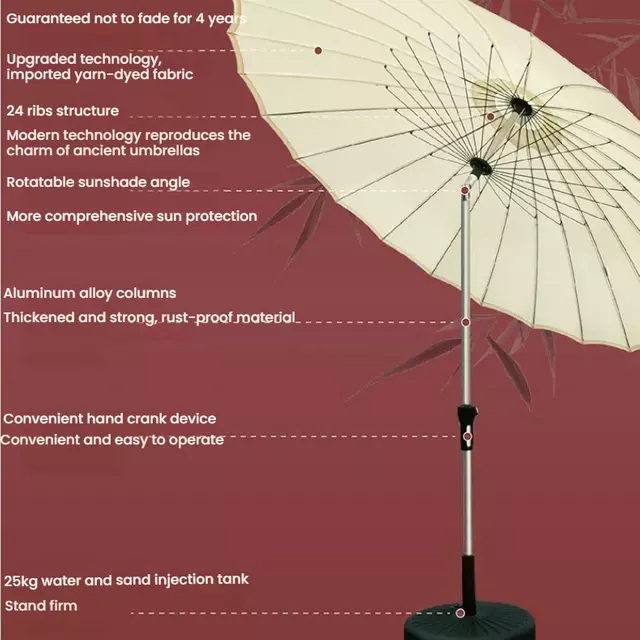
Insert the pole at a 30-degree angle into a deep, firmly packed hole facing the wind, then use a sand anchor or weighted base for extra hold. Close your umbrella if winds strengthen or when leaving your site.[12][5]
Midday sun is the harshest. Use your umbrella between 10 a.m. and 4 p.m. for the strongest UV protection, adjusting its angle as the sun moves.[1]
Most beaches allow umbrellas, but some enforce rules about sizes, placement, or mandatory anchors. Always check local guidelines, especially for commercial or protected beaches.[7][8]
Rinse with freshwater after each use, air dry completely, and store it in a cool, dry place. Never force the umbrella shut or store it when damp.[10]
Yes, many popular beaches require umbrellas to be staked at least 18 inches deep and prohibit leaving umbrellas unattended or open during high winds for safety reasons.[13][7]
[1](https://www.ammsun.com/blogs/news/beach-etiquette-how-to-use-beach-umbrellas-in-public-areas)
[2](https://beachumbrella.net.au/write-for-us/)
[3](https://handybeachgoods.com/blogs/handy-beach-goods-blog/beach-umbrella-wind-safety-guide)
[4](https://www.linkedin.com/pulse/ultimate-guide-choosing-perfect-beach-vjeof)
[5](https://www.businessinsider.com/guides/home/anchor-works-beach-umbrella-review)
[6](https://www.facebook.com/groups/uLocalNH/posts/2314042822321009/)
[7](https://grandstrandspotlight.com/myrtle-beach-umbrella-rules-2025-what-you-must-know-now)
[8](https://www.outerbanks.com/beach-guidelines.html)
[9](https://corollabeachservices.com/beach-umbrella-easy-setup-tips-for-perfect-beach-days/)
[10](https://sundaysupply.co/blogs/sunday-supply-co-blog/how-to-setup-a-beach-umbrella)
[11](https://topumbrella.com/info/156)
[12](https://www.ammsun.com/blogs/news/what-is-the-best-way-to-anchor-a-beach-umbrella-1)
[13](https://www.cpsc.gov/s3fs-public/SafetyAlert_3000_BeachUmbrellas_052024.pdf)
[14](https://handybeachgoods.com/blogs/handy-beach-goods-blog/windsafety)


