
Language
Please Choose Your Language
Views: 222 Author: Amanda Publish Time: 2025-11-08 Origin: Site


Content Menu
● Definitions and historical context
● Materials: fabrics, coatings, and performance
● Design philosophy for rain protection
● OEM and ODM capabilities for umbrella and rainwear partners
● Market considerations and use cases
● Sustainability and quality assurance
● Supply chain and production timelines
● Case studies and brand partnerships
● How to start an OEM rainwear project
>> Step 1: Discovery and specification
>> Step 2: Material and coating selection
>> Step 4: Testing and validation
>> Step 5: Production planning
>> Step 6: Branding and packaging
>> Step 7: Logistics and after-sales support
● FAQ
>> 1: What distinguishes a trench coat from a raincoat in terms of materials?
>> 2: Can a trench coat be used as rain protection in heavy downpours?
>> 3: What OEM capabilities do you offer for rainwear and umbrellas?
>> 4: How do you ensure waterproof performance across production runs?
>> 5: What environmental considerations are available for rainwear?
The simple question—Is a trench coat a raincoat?—touches on a nuanced reality of outerwear. While both garments share weather-protective aims and a certain historical overlap, they serve different purposes, deploy different materials, and embody distinct design philosophies. For overseas brands, wholesalers, and manufacturers exploring OEM capabilities, understanding these distinctions is essential to position products correctly, select the right fabrics and coatings, and deliver reliable rain protection that meets consumer expectations across markets. This article unpacks definitions, materials, performance, design priorities, and production considerations, and it explains how umbrella-originating manufacturing expertise translates into high-quality rainwear solutions.
A trench coat is traditionally a long, belted overcoat with a double-breasted front, notched lapels, and a rugged, utilitarian silhouette. Its origins are commonly traced to military use in the early 20th century, with cotton gabardine as a classic fabric choice and Burberry's trench becoming an enduring emblem of style and practicality. Raincoats, by contrast, are outer layers specifically engineered for wet weather, prioritizing waterproof or highly water-resistant performance, fast-drying fabrics, and practical features like hoods, sealed seams, and storm flaps. The historical progression shows that a trench coat can function as rainwear in light rain, but it is not inherently a rainproof garment; a purpose-built raincoat is designed from the outset to withstand heavier downpours and prolonged exposure. This distinction matters for brands seeking reliable outerwear that protects wearers in diverse climates, especially when mapping production capabilities to regional weather patterns and consumer expectations. The umbrella manufacturing heritage—emphasizing waterproof textiles, breathability, seam sealing, and durable finishes—provides a strong platform for expanding into rainwear with robust warranties and consistent performance data.
Trench coats traditionally employ fabrics like gabardine, wool blends, or cotton twill. These materials offer a refined appearance and are comfortable in cool, damp conditions, but they are not inherently waterproof. When used in rainwear applications, trench-inspired fabrics often rely on water resistance rather than complete waterproofing, and coatings may be limited to repellents that require frequent reapplication. In contrast, raincoats rely on waterproof or water-repellent synthetics such as nylon, polyester, or polyurethane laminates, sometimes combined with PVC or rubberized membranes. These constructions emphasize a barrier to water ingress, with additional attention to breathability to prevent overheating during active wear. For OEM partners, selecting fabrics with trustworthy waterproof ratings (e.g., hydrostatic head measurements, breathability indices) is crucial to ensure consistent performance across batches and seasons.
A trench coat's hallmark features—belted waists, epaulettes, storm flaps, and double-breasted fronts—prioritize silhouette and style, with water resistance often as a secondary consideration. Raincoats, however, emphasize protective corners of the garment: hooded designs, taped seams, storm collars, adjustable cuffs, and ventilation zips to balance dryness with comfort. For a brand seeking versatile rainwear that can double as fashion-forward outerwear, a hybrid approach can be explored: a trench-like silhouette with a waterproof membrane, sealed seams, and a removable hood. OEM partners can leverage existing umbrella manufacturing processes—waterproof coating, seam sealing, and quality waterproof testing—to produce rainwear that aligns with brand aesthetics while delivering dependable protection in heavy rain.
Brand designers traditionally balance three core priorities: protection, performance, and style. For rain protection, the emphasis is on waterproofness, quick-drying properties, and durable hardware that withstands frequent exposure to rain, wind, and outdoor use. A trench-inspired design can be reinterpreted to preserve its elegant lines while incorporating rain-ready features: a longer cut with a tailored fit, integrated or detachable hood, waterproof zippers, and fully sealed seams. The result is a garment that remains visually sophisticated in dry weather but offers credible performance when confronted with inclement conditions. From an OEM perspective, the challenge is to translate umbrella-grade waterproofing know-how into outerwear that remains comfortable, breathable, and maintainable across a consumer's daily routines.
Umbrella manufacturing expertise translates well into rainwear OEM/ODM programs. The transfer includes sourcing waterproof or water-repellent fabrics, selecting appropriate coatings and laminates, and implementing precise seam-sealing technologies that guarantee rain ingress protection. An OEM program can encompass:
- Fabric and coating options: water-repellent finishes, polyurethane laminates, and hydrophobic treatments, plus options for recycled or sustainable textile bases to meet environmental standards.
- Construction technology: taped or welded seams, bonded zippers, and weather-sealed linings to ensure robust waterproof performance.
- Branding and packaging: customization of labels, hangtags, and packaging with consistent branding across product lines, including umbrella-integrated accessories where applicable.
- Testing and quality assurance: standardized waterproof testing, breathability measurements, and real-world wear tests to demonstrate performance across temperature and humidity ranges.
- Prototyping and lead times: iterative proto development with rapid feedback cycles to align with brand calendars and seasonal launches.
By leveraging these capabilities, umbrella manufacturers can extend their portfolios into rainwear that complements a brand's umbrella lines, enabling cross-sell opportunities in international markets.
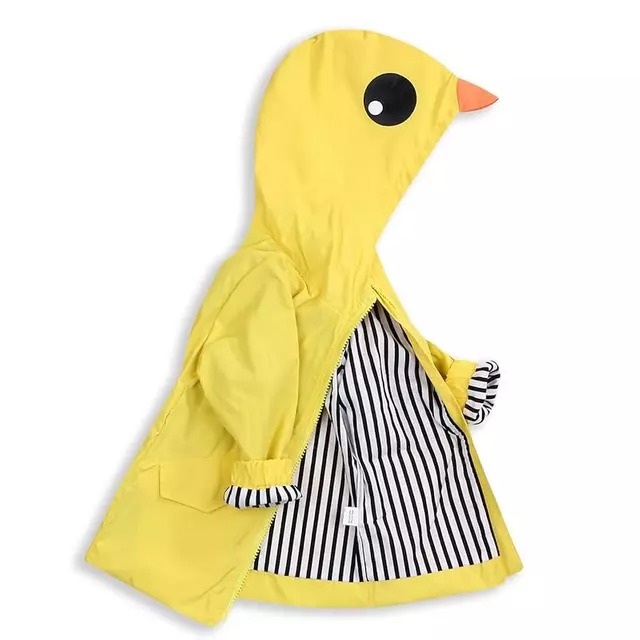
Consumer segments vary by climate, fashion preference, and usage scenario. In urban markets with frequent light rain, a stylish, semi-waterproof trench-inspired coat might suffice as everyday wear. In regions with heavy downpours, consumers demand full waterproof protection, reliable seam sealing, and protective features such as removable hoods and adjustable hems. Travel-focused customers may prioritize compactness and quick-drying fabrics that allow layering and efficient packing. Outdoor professionals require rugged builds with reinforced seams and higher waterproof ratings. For OEM projects, aligning product architecture with these segments ensures the final rainwear line meets regional weather realities while maintaining brand-consistent aesthetics. Storytelling around performance—how the fabric, coating, and construction defend against rain while preserving breathability and comfort—builds consumer trust and brand equity.
Sustainable practices resonate across international markets. Options include eco-friendly coatings free from fluorocarbons, recycled polyester or nylon baselines, and certifications for responsible manufacturing. Quality assurance encompasses material inspection, coating adhesion tests, seam-sealing integrity checks, and end-of-line waterproof performance tests. Providing transparent documentation, such as material certifications and test results, helps brands communicate performance and sustainability to consumers, strengthening trust and reducing post-purchase returns.
OEM rainwear projects require careful planning—from fabric procurement and coating laydown to proto development and mass production. Lead times depend on fabric availability, coating cycles, and the complexity of seam sealing or embedded hardware. A well-structured production plan includes milestones for design sign-off, sample approvals, testing periods, and final production windows aligned with distribution networks. For brands expanding into new markets, scalable production and reliable logistics are essential to timely product launches and market presence.
Successful OEM collaborations demonstrate the practical value of umbrella manufacturing expertise in rainwear. Consider partnerships where the joint product line features waterproof performance, on-brand branding, and a clear value proposition for distributors and retailers. Case highlights might include coordinated marketing campaigns that emphasize rain protection, lifestyle imagery that resonates with target consumers, and packaging that reinforces the brand's commitment to durability and style. Real-world examples help prospective partners visualize the ROI of an umbrella-to-rainwear OEM program.
Clarify the target market, weather conditions, and performance requirements. Prepare a design brief that includes silhouette, lengths, colorways, hood options, and branding needs.
Choose fabrics with appropriate waterproof ratings, breathability, and durability. Select coatings or laminates that balance waterproof performance with environmental considerations.
Develop initial prototypes to test waterproof integrity, fit, and comfort. Iterate quickly based on lab results and user feedback.
Conduct standardized waterproof tests, breathability tests, and wear trials in representative climates. Validate colorfastness, abrasion resistance, and seam durability.
Finalize BOMs, sewing specifications, quality checks, and packaging. Align production schedules with distribution timelines to meet market windows.
Implement consistent branding across products and packaging, including care instructions tailored to the materials used.
Plan for efficient logistics, inventory management, and after-sales support including warranty terms and replacement parts (such as zippers, buttons, and labels).
While trench coats and raincoats share historical roots in outerwear designed for changeable weather, they remain distinct categories with different performance priorities. For umbrella manufacturers expanding into rainwear OEM programs, the opportunity lies in translating waterproofing expertise, seam sealing, and material innovation into fashion-forward, durable rainwear that protects wearers across climates. A well-planned OEM strategy can deliver weather-ready outerwear that aligns with brand aesthetics, supports international distribution, and sustains consumer trust through measurable performance and sustainability commitments.
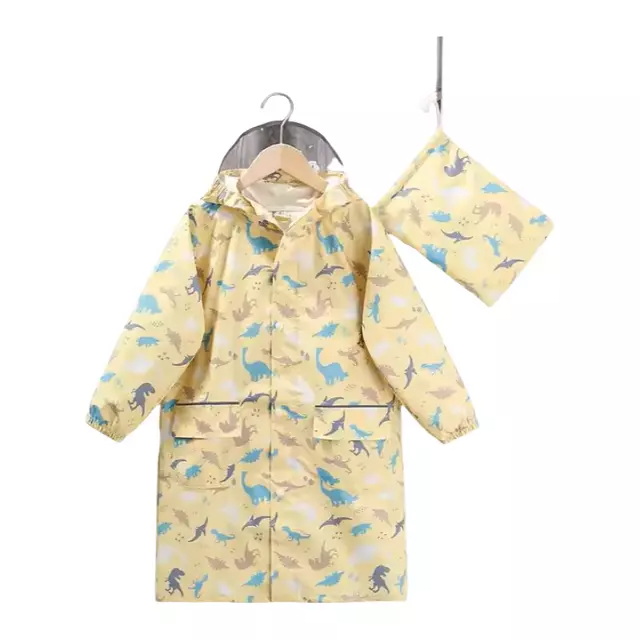
Answer: Trench coats typically use water-resistant fabrics like gabardine or impregnated cotton; raincoats rely on fully waterproof synthetics such as nylon, polyester, or laminates with sealed seams.
Answer: It provides some protection in light rain but lacks guaranteed waterproofing and sealed seams required for heavy rain.
Answer: Fabric sourcing, waterproof coatings, seam-sealing technologies, branding, packaging customization, prototyping, testing, and scalable production for international distribution.
Answer: Through standardized lab tests, real-world wear trials, strict QA at multiple stages, and traceable material records.
Answer: Fluorocarbon-free coatings, recycled fabrics, and sustainability certifications, with options to align with brand ESG goals.
[1](https://www.allseasonsuniforms.com/blog/trench-coat-vs-raincoat)
[2](https://malyshok.com.ua/index.php?route=information%2Finformation&language=en-gb&information_id=54)
[3](https://thrifttale.com/blogs/thrifttalk/whats-the-difference-between-a-trench-coat-and-a-mac)
[4](https://www.youtube.com/watch?v=F5PyEYvTthw)
[5](https://www.gq.com/story/raincoat-trench-coat)
[6](https://smart.dhgate.com/trench-coat-vs-raincoat-which-ones-actually-more-waterproof/)
[7](https://www.difference.wiki/trench-coat-vs-raincoat/)


