
Language
Please Choose Your Language
Views: 222 Author: Amanda Publish Time: 2025-11-13 Origin: Site


Content Menu
● Core Purposes of Golf Umbrellas
● Design Features That Elevate Performance
● Use Case Scenarios Across Industries
● Care, Durability, and Longevity
● Global Market Considerations for OEM Partners
● Sustainability and Responsibility
● Practical Guidance for Prospective OEM Clients
● FAQ
>> 1: What features should I look for in a high-quality Golf Umbrella?
>> 2: How long does it take to manufacture OEM Golf Umbrellas?
>> 3: What branding options are commonly available for OEM Golf Umbrellas?
>> 4: Are there sustainable materials suitable for Golf Umbrellas?
>> 5: What are common MOQs for OEM golf umbrellas?
In the world of outdoor gear, branding, and consumer-facing merchandise, the Golf Umbrella stands out as more than just a weather shield. It is a versatile platform for protection, style, and messaging that brands can customize at scale through OEM partnerships. For foreign brands, wholesalers, and manufacturers seeking reliable, high-volume production, Golf Umbrellas offer a compelling canvas to convey quality, durability, and strategic values—from UV protection and wind resistance to logo fidelity and sustainable sourcing. This article explores the multifaceted uses of Golf Umbrellas, the features that drive performance, and the opportunities OEM partners can leverage to meet diverse market needs across continents.
A Golf Umbrella is designed to deliver shelter from rain and sun while remaining maneuverable in windy outdoor environments. Its primary functions, however, extend well beyond simple coverage.
- Weather protection in variable conditions: A large canopy protects wearers, equipment, and even small events from rain, drizzle, and mist. The best Golf Umbrellas balance large coverage with ergonomic handling, ensuring users can stay dry without sacrificing mobility on the course or at outdoor venues.
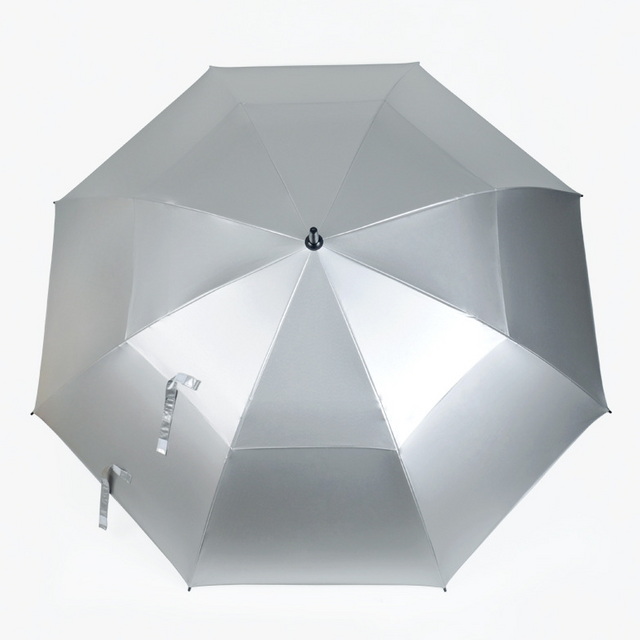
- Sun and UV defense: Many Golf Umbrellas incorporate UV-blocking fabrics or coatings, providing a shield against ultraviolet rays on bright days. This is especially valuable during long rounds, outdoor publicity shoots, and events where exposure to sun is a concern for participants and staff.
- Wind management and stability: Gusty conditions pose a risk of inversion or collapse. Wind-resistant designs—such as vented canopies, robust rib systems, and flexible yet strong frame materials—help maintain form and function even in challenging weather. This stability is a key selling point for OEMs seeking durable products suitable for global markets.
- Branding and promotional value: A Golf Umbrella is a large, high-visibility surface perfect for logo placement, colorways, and design language. For OEM clients, the umbrella becomes a portable billboard, extending brand reach at points of sale, corporate events, sports sponsorships, and consumer promotions.
Performance in Golf Umbrellas hinges on a confluence of materials, engineering, and thoughtful ergonomics. The following features commonly distinguish top-tier models.
- Canopy fabric and coatings: Durable, water-repellent fabrics—often featuring coatings like Teflon or similar water-beading treatments—keep rain at bay while maintaining a clean, professional look. UV-blocking layers and reflective accents may further enhance protection and visibility.
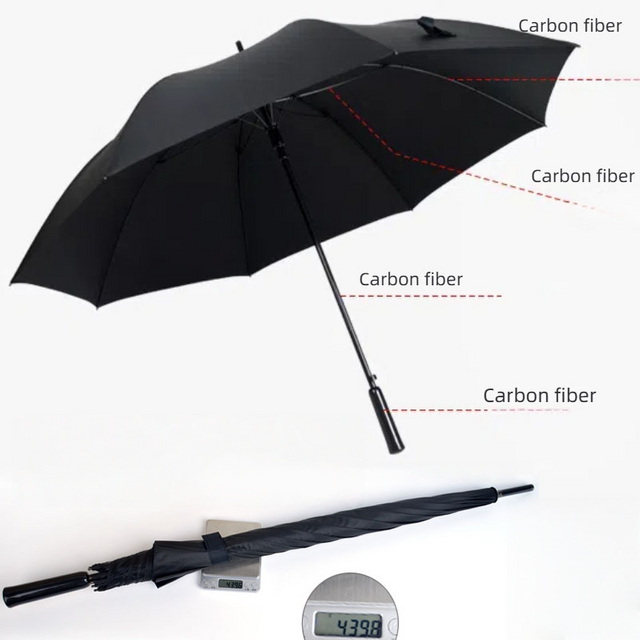
- Frame and ribs: A blend of fiberglass or high-strength metals provides rigidity without brittleness. Double-canopy designs and vented canopies reduce wind pressure buildup, lowering inversion risk. Some models employ auto-open mechanisms for quick deployment in rain or during a moment's pause on the course.
- Canopy size and geometry: Typical Golf Umbrellas span 60 to 68 inches in diameter, delivering expansive coverage while remaining manageable. The choice of round, octagonal, or other canopy geometries can subtly affect shade distribution and balance.
- Handle ergonomics: Comfort-driven handles—textured, contoured, or rubberized—reduce fatigue during long rounds or promotional events. Weight distribution and grip size influence control, particularly when the umbrella must be held aloft for photography or demonstrations.
- Safety and user experience: Features such as pinchless opening mechanisms, shielded tips, and secure straps for storage contribute to a user-friendly experience. For OEM projects, these details reinforce perceived value and reliability.
- Branding and customization readiness: The canopy, ribs, and handle surfaces should accommodate branding methods such as embroidery, screen printing, and heat-transfer applications. Durable branding remains legible even after extensive handling.
From concept to consumer, the OEM lifecycle for Golf Umbrellas encompasses design collaboration, material selection, prototyping, production, and quality assurance. The following are common pathways for brands and distributors working with a manufacturing partner.
- Customization scope: OEM partners often offer extensive branding opportunities—logos, colorways, embroidery on the canopy, laser-engraved handles, packaging choices, and accessory add-ons such as sleeves or protective pouches. A well-defined branding brief accelerates approvals and reduces iterations.
- Sourcing and sustainability: Selecting canopy fabrics, coatings, and frame materials with sustainability in mind can differentiate a brand. Recycled or responsibly sourced components, low-VOC coatings, and end-of-life programs resonate with eco-conscious markets and regulatory environments.
- Prototyping to mass production: CAD-based mockups, rapid prototypes, and pilot runs help validate design intent before large-scale manufacturing. Clear specification sheets, tolerance ranges, and QA criteria support consistent outcomes across batches.
- MOQs and lead times: OEM arrangements typically specify minimum order quantities (MOQs) and production timelines. Transparent communication about tooling, setup costs, and ramp-up plans enables smoother international logistics and inventory planning.
- Quality assurance maturity: Pre-shipment inspections, color matching, seam integrity, and canopy tension testing ensure each Golf Umbrella meets defined performance standards. Documentation and certifications bolster confidence with distributors and retailers.
The versatility of Golf Umbrellas makes them suitable for a broad spectrum of sectors. Each scenario highlights how OEM capabilities align with buyer needs.
- Sports and event branding: Branded Golf Umbrellas can serve as on-site marketing assets during tournaments, training camps, and fan events. Custom colorways and logos reinforce sponsor visibility and team identity.
- Hospitality and tourism: Resorts and golf clubs can offer branded umbrellas as premium amenities or merchandise, enhancing guest experience while delivering durable, high-visibility branding.
- Corporate gifts and promotions: High-end Golf Umbrellas function as prestigious gifts for clients and executives, combining utility with lasting brand impressions.
- Retail and ecommerce bundles: Bundling branded umbrellas with other outdoor gear or apparel can drive higher cart values and create cohesive promotional campaigns.
- Education and corporate events: Branded umbrellas used in conferences or campus events can protect attendees from unpredictable weather while reinforcing sponsor associations.
A Golf Umbrella is an asset that should endure repeated use. Good maintenance and thoughtful construction extend life and preserve branding integrity.
- Care guidelines: Allow any coatings and fabrics to dry naturally, avoid exposure to harsh solvents, and store in a ventilated area to prevent mold or mildew. A dry, cool storage environment helps preserve canopy color and frame integrity.
- Durability considerations: High-quality components—such as reinforced frames, rust-resistant joints, and robust rib systems—contribute to a longer service life. Proper maintenance reduces the risk of frame fatigue and canopy tearing during regular use.
- Warranty coverage: Many OEM umbrellas come with manufacturer warranties that address material defects and workmanship. Clear warranty terms help distributors and retailers communicate value and secure customer trust.
OEM partnerships must account for cross-border dynamics, including consumer preferences, regulatory landscapes, and logistics.
- Regional preferences: canopy color trends, logo prominence, and perceived value may vary by market. Customization strategies should reflect local tastes without compromising brand identity.
- Packaging and labeling: Compliance with regional packaging regulations, language requirements, and eco-friendly packaging expectations can affect go-to-market timing.
- Pricing and tiering: Structured pricing models—tiered by order volume, customization level, and delivery speed—help optimize profitability across wholesalers, retailers, and distributors.
- Logistics and timelines: Efficient supply chains reduce lead times and improve inventory planning for international partners. Clear expectations around transit times and import duties facilitate smoother collaboration.
Brand storytelling increasingly centers on sustainable manufacturing and responsible sourcing. Golf Umbrella OEM programs can incorporate measurable environmental and social governance aspects.
- Material choices: Recycled fabrics, low-emission finishes, and resource-efficient production support sustainability claims while maintaining performance.
- End-of-life programs: Take-back schemes or recycling partnerships can extend the product lifecycle and reinforce a brand's environmental commitments.
- Transparency and certification: Certifications related to sourcing, safety, and quality assurance reassure buyers about product integrity and corporate responsibility.
If an OEM partnership aligns with a brand's strategy, the following steps help ensure a smooth project journey.
- Define requirements clearly: Board your design brief with canopy size, colorways, branding methods, packaging, and any regulatory considerations.
- Request samples early: Prototypes for fit, branding fidelity, and functional testing help validate the design before full production.
- Establish evaluation criteria: QA checklists covering color accuracy, seam strength, and overall aesthetics streamline approvals and reduce surprises.
- Plan for scale: Align MOQs with anticipated demand and explore staggered production to balance cash flow and inventory needs.
- Maintain open communication: Regular updates, shared documentation, and milestone reviews support a collaborative and efficient process.
Golf Umbrellas represent more than a practical tool for rain protection. When approached through a thoughtful OEM lens, they become strategic assets that support branding, customer engagement, and international commerce. The right combination of durable materials, wind-resilient design, UV protection, and flexible customization creates a product that not only performs in diverse climates but also communicates a brand's values with every fold and unfurl. Firms that adopt a holistic approach—integrating design excellence, sustainable sourcing, and robust quality assurance—can deliver Golf Umbrellas that satisfy distributors, retailers, and end customers alike, fostering long-term partnerships across global markets.
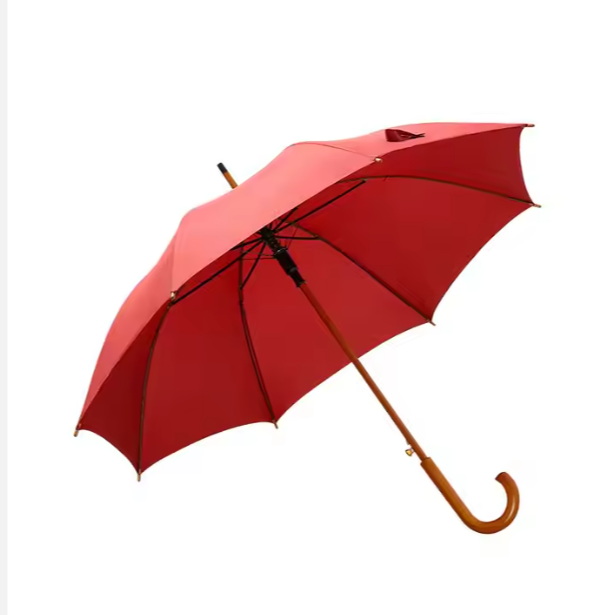
A high-quality Golf Umbrella should offer a large canopy (60–68 inches) for ample coverage, wind-resistant design (vented canopy and reinforced ribs), durable frame materials (fiberglass or high-strength alloys), a comfortable grip, and branding readiness (embroidery, printing, or heat transfer options). It should also provide UV protection through canopy materials or coatings and have reliable closure mechanisms and safety features.[1][4][5]
Lead times vary by complexity, order quantity, and prototyping needs. Typical timelines include design finalization, sample approval, and full production, with longer durations for customized packaging or special coatings. Clear project milestones and regular QA checks help keep schedules on track.[5][1]
Common options include embroidery on canopy panels or sleeves, screen printing on exterior surfaces, heat transfer logos, and packaging customization. Brands can coordinate color matching, thread choices, and logo placement to maximize visibility and brand integrity.[1][5]
Yes. Recycled fabrics, water-repellent coatings with lower environmental impact, and eco-friendly packaging are increasingly available. Brands can pursue certifications and implement end-of-life programs to strengthen sustainability narratives.[2][5]
MOQs depend on material choices, customization level, and tooling costs. Typical ranges vary, but engaging early about MOQ expectations helps align production plans with demand and budget. Negotiations often balance cost with branding requirements.[5][1]
[1](https://vovexgolf.com/blogs/golf/how-big-is-a-golf-umbrella)
[2](https://uv-blocker.com/pages/specs-golf)
[3](https://www.gonexsport.com/blogs/gift-guides/how-to-choose-the-best-golf-umbrella)
[4](https://topumbrella.com/info/141)
[5](https://www.blueprintumbrella.com/a-the-ultimate-guide-to-golf-umbrellas-features-and-benefits.html)
[6](https://www.agrisupply.com/agri-supply-golf-umbrella-oversized-windproof/p/85421/)


