
Language
Please Choose Your Language


Content Menu
● The Historical Evolution of Parasole
● Modern Uses and Applications
>> Essential at Events and Gatherings
>> Fashion and Photographic Accessory
>> Cultural and Religious Significance
● The Making of a Modern Parasole
>> Design and Material Selection
>> Canopy and Frame Integration
● Types of Parasole and Their Unique Features
>> Traditional Decorative Parasole
● Distinctive Advantages of Modern Parasole
● Parasole in Contemporary Culture
>> 1. What is the biggest difference between a parasole and an umbrella?
>> 2. Are modern parasole good at blocking UV rays?
>> 3. Can parasole be personalized or branded for events or marketing?
>> 4. How durable are quality parasole for outdoor use?
>> 5. What is the best way to care for and maintain a parasole?
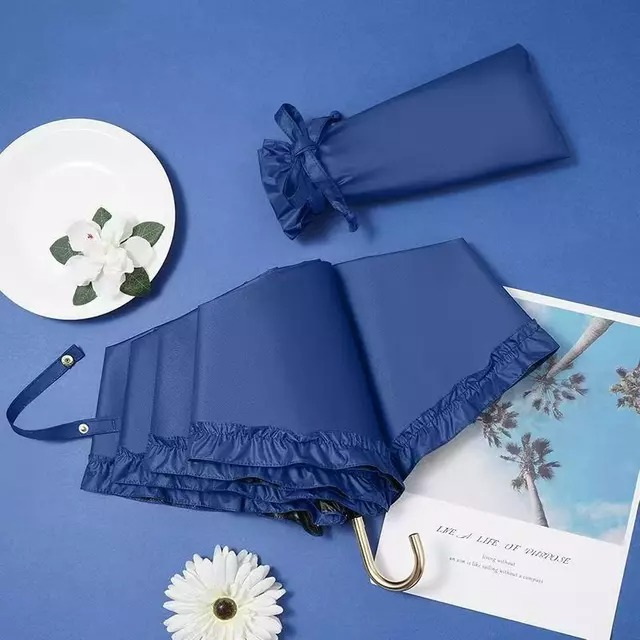
Parasols—also called "parasole"—are iconic, elegant sunshades steeped in history and modern relevance. From ancient ceremonial objects to practical sun shields, parasole provide a fascinating blend of protection, style, and cultural meaning. Whether shielding skin from UV rays, accentuating fashion, or serving as decorative pieces at events, parasole remain woven into the fabric of societies across the world.
Long before modern notions of skincare and outdoor leisure, civilizations recognized the need for reliable sun protection. Early records trace parasols to ancient Persia, Egypt, Greece, and China, where they functioned both as symbols of power and as necessary tools in sun-drenched regions.[6][7]
In ancient Egypt, parasols were reserved for royalty and crafted with elaborate care—often as part of ritual processions and to signify divinity. Likewise, in ancient China, the parasol, or "san," was a symbol of dignity and social rank, commonly constructed from paper, silk, or leaves stretched over bamboo frames. Their ceremonial function extended to protection from celestial or spiritual forces, as well as literal sunlight.
By the Renaissance, the parasol had made its way across Europe, where noblewomen prized its combination of fashion and function. Decorative artistry—lace, embroidery, painted silk—combined with technological advances in frame design. During the Victorian era, parasole became essential accessories for women, associated with grace and gentility, and frequently featured in art and literature.
These historic roles shaped today's cultural resonance of the parasole, linking it indelibly to concepts of sophistication, exclusivity, and elegance.
Above all, parasole excel as personal sun shields, especially during outdoor activities. Unlike umbrellas, which prioritize waterproofness and wind resistance, parasole are optimized for sun-blocking. Modern materials offer excellent UPF ratings, ensuring significant protection against harmful ultraviolet rays.[8][9]
City dwellers, tourists, and outdoor workers all benefit from the shade provided by a well-designed parasole. With growing awareness of UV-linked skin cancers and premature aging, the parasole's functionality becomes even more vital. Portable, collapsible options cater to anyone seeking on-the-go protection—at a park, on busy urban streets, or even while waiting for transport.
Parasole are staples at outdoor weddings, garden parties, and cultural festivals. They serve both a decorative and functional purpose. Lacy, ornate parasole complete the look of vintage-themed or high-society events, while brightly colored options add festive flair to beach parties and picnics. Rental companies often offer customized parasole for event branding and guest comfort, cementing their role as both accessory and practical necessity.[10][11]
Parasole have never lost their status as style icons. They are regular features in bridal photography, editorial spreads, and luxury promotional shoots—symbolizing timeless glamour and femininity. Fashion designers continue to reinterpret classic parasole for runway presentations, bringing them into the spotlight as both protective tools and artistic expressions.
Beyond aesthetics and comfort, parasole maintain ceremonial importance. In parts of Asia, ornate parasole are carried during temple ceremonies, wedding processions, and state events to signify auspiciousness, protection, or respect for tradition. Their symbolic presence is found in paintings, dance performances, and rituals where spiritual shielding and social status intertwine.[12]
Today's parasole blend manufacturing precision with customization to serve private labels and bulk buyers worldwide.
The process starts with design—determining canopy size, frame shape, fabric weight, and color. Sun-oriented parasole typically use polyester, acrylic, pongee, or olefin fabrics for robust UV protection and lightness. Modern canopies boast UPF treatments, dirt-repellent finishes, and vibrant dyes. Frames are chosen for strength and weight; aluminum, fiberglass, or steel provide optimal durability and corrosion resistance while remaining lightweight for easy handling.[4][5]
Canopy fabrics are cut into several triangular or polygonal sections, as a single piece would not open and close smoothly. Each panel is meticulously hemmed, then sewn edge-to-edge to create a uniform, snug fit across the ribs.[1][3]
Precise stitching is a hallmark of quality parasole—the seams must be tight enough to resist fraying and stretching, as well as to anchor the fabric securely to each rib. Vented designs are popular for breezy locations, allowing airflow and reducing the risk of the parasole turning inside out.
Eight or more ribs—made from aluminum or steel—are assembled along the main shaft and connected with stretchers, creating the open-close mechanism. For collapsible parasole, telescoping shafts are tested to ensure smooth action. Mechanisms are checked for reliability and ease of use. Handles may be crafted from wood, plastic, or rubber, and brands often customize them with engravings, coatings, or slip-resistant finishes.[5][1][4]
The finished canopy is then stretched over the framework and affixed at each rib, with additional reinforcements at stress points. Caps and rosettes cover anchor spots, ensuring a neat, aesthetically pleasing finish. Each completed parasole undergoes a quality inspection before being cleaned, folded, packed, and shipped to clients worldwide.[1][4]
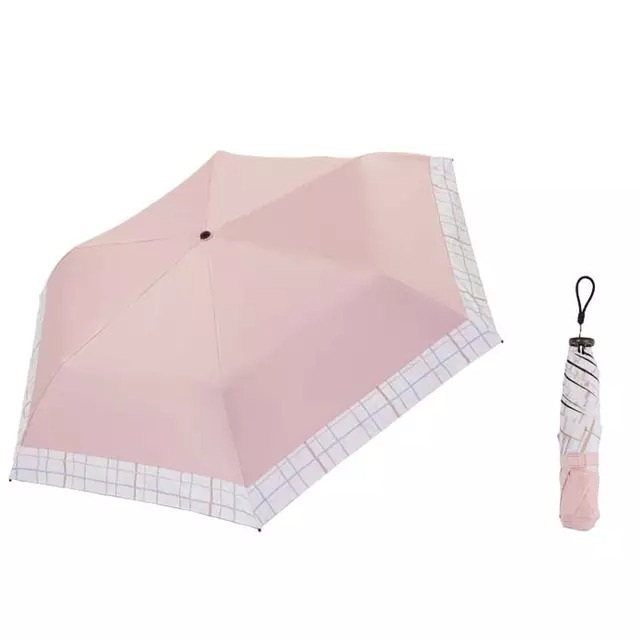
A wealth of parasole styles exists, each suited to specific needs and occasions:
Historically inspired parasole abound—Victorian lace, Chinese painted silk, Japanese oil-paper. These often prioritize beauty and cultural symbolism. While less durable in strong weather, their intricate designs make them collector's items and frequent features at themed events or photo sessions.
Portability and convenience are central here. Folding or telescoping parasole use lightweight materials and compact mechanisms, easily fitting into handbags or backpacks. Many feature automatic open/close buttons and locking systems.
Engineered for all-day outdoor use, these parasole are much larger, with vents, tilt mechanisms, and robust anchors. Their canopies use fade-resistant fabrics and can block both direct and reflected sun, making them essential at the seaside, poolside, or in wind-prone regions.
Sustainability is a rising concern. More manufacturers use recycled PET, biodegradable fabrics, and nontoxic dyes. Consumer demand for green products drives research into life cycle impact and better, reusable components.[9][8]
These serve as color and style statements, often limited edition or customizable with embroidery, prints, or branding. They work well as party favors, promotional giveaways, or accessories for special events.
- Sun Safety: UV-blocking fabrics help prevent burns, photoaging, and skin cancers, addressing a vital public health need.[8]
- Thermal Comfort: By providing direct shade, parasole lower perceived temperature and minimize sun fatigue.
- Stylish Versatility: Diversity in shapes, colors, and designs supports use across many social contexts.
- Lightweight Use: Improvements in materials have made parasole lighter, more durable, and user-friendly.
- Corporate Customization: OEM and branding options allow organizations and events to offer unique parasole as gifts, marketing tools, or guest comforts.
- Cleaning: Gently spot-clean fabric with mild soap and cold water. Allow to air-dry fully before storage.
- Storage: Keep parasole dry; always fold and store in its protective sleeve or case to prevent dust and tears.
- Usage Tips: Avoid high winds or heavy rain unless your parasole is rated for such conditions.
- Repairs: Ripped canopies and broken frames may be repairable by professional services, especially for high-value decorative or heritage parasole.
The "parasole revival" thrives thanks to trends in vintage fashion, health-conscious lifestyles, and eco-friendly outdoor accessories. Social media has elevated parasole to visual icons—colorful clusters at festivals, elegant props at bridal photoshoots, and must-have summer gear for influencers and wellness advocates. Pop culture continues to immortalize parasole, whether in films set in pre-20th-century Europe or in art installations celebrating sunny optimism.
Parasole offer much more than a simple patch of shade—they connect history and modern innovation, fashion and function, personal health and ceremonial tradition. As manufacturing technology improves, so too do the comfort, durability, and style options available to users worldwide. For brands and buyers seeking a balance of elegance, identity, and protection, the parasole remains a timeless asset. Embracing both tradition and change, parasole are set to keep inspiring and safeguarding people for generations to come.
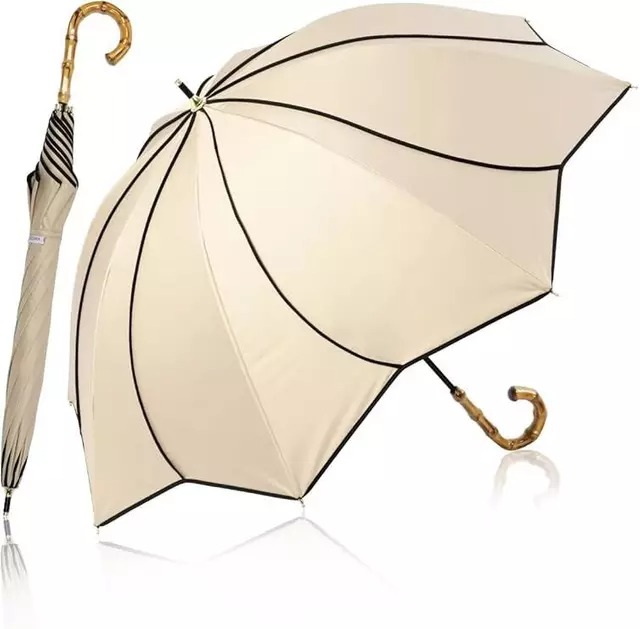
A parasole is designed mainly for sun protection and uses lightweight, decorative materials. Umbrellas are generally heavier, more robust, and weatherproof, intended to protect against rain and wind.[11][13]
Yes, leading parasole manufacturers use UV-blocking, UPF-rated fabrics for effective sun protection. Always look for a product description mentioning UPF or tested sun-blocking properties.[9][8]
Absolutely. OEM services allow adding brand logos, custom colors, messages, and handles to parasole, making them ideal for events, promotions, and corporate gifts.[4][5]
Premium outdoor parasole use corrosion-resistant aluminum or steel frames and rugged, fade-proof fabrics. When handled correctly, they last many seasons even in demanding climates.[4][8]
Keep it clean, dry, and stored in a cool, protective sleeve. Never force open or close it. Rinse off salt or sand, avoid high winds, and repair minor frame or cover damage promptly to prolong its use.[8][4]
[1](https://schirmmacher.eu/manufacturing-umbrellas)
[2](https://www.youtube.com/watch?v=dQkghj7HKcE)
[3](https://blogs.cdc.gov/niosh-science-blog/2022/05/25/mm_umbrellas/)
[4](https://www.brumbrellas.com/manufacturing-process-of-outdoor-beach-umbrellas/)
[5](https://branded-brolly.co.uk/how-to-make-umbrellas/)
[6](https://www.folkwear.com/blogs/news/historyoftheparasol)
[7](https://www.ammsun.com/blogs/news/shading-through-time-a-history-and-evolution-of-sun-umbrellas)
[8](https://www.homefrontproducts.co.uk/blog/parasols-how-much-can-they-protect-you-from-the-sun)
[9](https://www.reddit.com/r/SkincareAddiction/comments/14z0p2g/sun_care_im_doing_it_im_buying_a_parasol/)
[10](https://umbrellabazaar.com/blogs/news/what-is-a-parasol-umbrella)
[11](https://www.umbrellastore.co.uk/parasol-or-umbrella/)
[12](https://mapacademy.io/article/ceremonial-parasol/)
[13](https://hauserspatio.com/blog/unique-and-exciting-differences-of-parasol-vs-umbrella-exposed/)


