
Language
Please Choose Your Language
Views: 222 Author: Amanda Publish Time: 2025-11-06 Origin: Site


Content Menu
● Color, UV Protection, and Heat: How They Interact
● The role of color in UV transmission and heat buildup
● Fabric choices that amplify color performance
● How UPF ratings work with color
● Light Colors vs Dark Colors: Practical Implications
>> Light colors: benefits and trade-offs
>> Dark colors: benefits and caveats
● Regional climate considerations
● Fabric technology and finishes
● OEM and Branding Implications for International Markets
● FAQ
>> 1) Which color Patio Umbrella provides the coolest shade under hot sun?
>> 2) Do darker colors block more UV rays than lighter colors?
>> 3) What fabrics are best for sun protection in Patio Umbrellas?
>> 4) How should OEMs present color options to international buyers?
>> 5) How can color choices affect product longevity?
Choosing a color for a Patio Umbrella is more than cosmetic—it shapes user comfort, UV protection, fabric longevity, and overall product value in OEM programs for foreign brands, wholesalers, and manufacturers. Color interacts with fabric chemistry, weave, and protective finishes to determine how much solar radiation penetrates the canopy, how hot the shaded area feels, and how quickly fading or degradation occurs. For an OEM-focused audience, presenting a balanced range of color options paired with high-UPF fabrics and durable finishes is essential to satisfy diverse markets while maintaining consistent quality and brand integrity.
The impact of color on sun protection can be subtle and is best understood when paired with material science. While color alone does not define UV blocking, it interacts with fabric type, weave density, and protective finishes to influence performance.
- Darker colors typically absorb more light and heat, potentially increasing the shade temperature under the canopy. This can be advantageous for users seeking deeper shade in very sunny environments, provided the fabric employs robust UV stabilization to prevent rapid fading and degradation. For OEM programs, marketing a dark-color option should go hand-in-hand with explicit UPF data and fabric UV stability guarantees to avoid post-sale warranty issues.
- Lighter colors reflect more sunlight, which tends to keep the shaded area cooler. However, reflection does not guarantee superior UV protection if the fabric lacks UV inhibitors or a sufficiently dense weave. In practice, a pale canopy made from UV-stable, tightly woven materials can offer excellent comfort with reliable protection.
- The fabric base matters as much as color. Solution-dyed acrylic and solution-dyed polyester fabrics resist fading and maintain colorfastness longer under sun exposure, enabling bolder color choices without rapid degradation. When color is paired with UV-stable chemistry, both light and dark canopies deliver durable performance. For OEM programs, providing clear fabric specifications, including UPF values, colorfastness ratings, and warranty terms, helps distributors compare options confidently.
- Finishes such as UV-blocking coatings, laminates, or protective topcoats enhance color resilience, especially for lighter colors that may show fading more readily. For color palettes designed for multi-regional markets, these finishes become a selling point in catalogs and data sheets.
- UPF (Ultraviolet Protection Factor) is primarily a property of the fabric construction and treatment, not color alone. A light-colored fabric with poor UV stabilization can perform worse than a dark fabric with strong UV inhibitors. Always present UPF ratings in product data sheets and provide testing standards (e.g., ASTM-based tests) so OEM partners can compare fabrics accurately across color variants. Clear UPF disclosures support trust and reduce post-sale service concerns.
- Benefits: Higher reflectivity reduces heat buildup, contributing to cooler perceived shade; lighter hues often align with hospitality and outdoor dining aesthetics. For hot climates, offering white, beige, or light gray options paired with UV-stable fabrics can improve comfort and drive demand on resort-style or commercial installations.
- Trade-offs: Light colors may show dirt and staining more readily and can fade perceptibly if UV protection is not strong. Packaging lightweight color options with care guides and warranty coverage for colorfastness minimizes the risk of customer dissatisfaction.
- Benefits: When paired with UV-stable fabrics and proper finishes, dark colors can offer strong initial UV blocking with lower perceptible glare and a sleeker aesthetic. Dark canopies hide stains better and may be preferred for certain retail or hospitality environments.
- Caveats: Without robust UV stabilization, dark colors may fade or shift hue faster under intense sun. Signal this clearly in marketing assets and technical data sheets, and consider offering a “dark with enhanced UV protection” option to reduce confusion and returns.
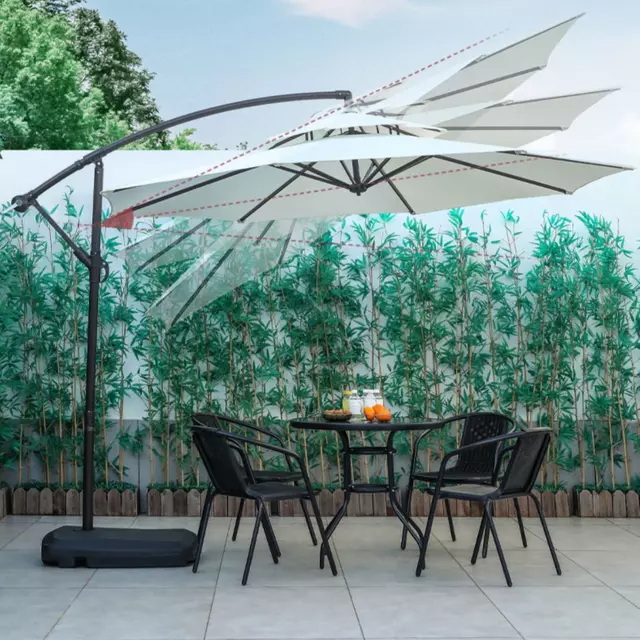
- Hot, sunny regions: Emphasize light colors with high-quality UV protection and consider offering shades that reflect heat while maintaining colorfastness. Complement color choices with performance data and maintenance guidance tailored to high-sun exposure.
- Temperate regions: A balanced palette with strong fade resistance and versatile aesthetics works well. Include both light and dark options to accommodate seasonal variations.
- Shaded or milder climates: Darker colors can be visually striking and practical when paired with fabrics designed for sustained UV stability and weather resistance.
- Solution-dyed vs dyed fabrics: Solution-dyed fabrics hold color better and maintain uniform UV protection across the canopy, which is critical when marketing to OEM partners seeking consistent color performance across batches.
- UV inhibitors and coatings: Finishes that block UV rays and reduce color degradation expand product life and warranty confidence. Ensure data sheets include specifics on inhibitor type, coating thickness, and expected fade resistance.
- Weave density: Denser weaves reduce UV transmission and improve overall protection. Highlight weave specs alongside color options to give OEM customers a complete picture of performance.
- Presentation of color options: Provide swatches, sample runs, and digital color maps that translate consistently across manufacturing runs. Include multilingual care guides and color accuracy notes to support distributors in diverse markets.
- Customization and branding: Allow canopy color customization, logo placement, and trim options to align with brand identities. Clear, data-backed specs help prevent miscommunication and post-sale disputes.
- Warranty alignment: Tie color-performance claims to measurable data (UPF, fade testing, coating durability) and align warranties with these metrics. This reduces warranty friction and boosts partner confidence.
- Regional market research: Understand color preferences and climate realities in target markets, then tailor catalog sections and marketing collateral accordingly to optimize conversion rates in each region.
There is no universally perfect color for sun protection. The best choice depends on climate, fabric selection, and protective finishes. Light-colored canopies excel at heat reflection and comfort when paired with UV-stable fabrics, while dark-colored canopies can deliver strong UV blocking when built with robust fabric chemistry and protective coatings. For OEM programs targeting international markets, offering a curated range of color options—each with documented UPF values, fade resistance, care guidelines, and branding flexibility—provides the most versatile, market-ready solution. A well-documented color-and-fabric strategy strengthens brand trust, reduces post-sale issues, and supports sustainable growth across global retailers and wholesalers.
Answer: Lighter colors reflect more sunlight, which helps keep the shaded area cooler when paired with UV-stable fabric and a dense weave. Ensure UPF data and fabric specs are included to validate performance.
Answer: Darker colors can offer stronger initial UV blocking if the fabric has high UPF ratings and UV inhibitors, but overall performance depends on fabric construction and coatings.
Answer: UV-resistant, solution-dyed acrylic or high-quality solution-dyed polyester fabrics provide strong colorfastness and UV protection, especially when combined with UV-blocking finishes.
Answer: Provide UPF values, color swatches, care instructions, multilingual collateral, and customization options to align with regional preferences and climate needs.
Answer: Color influences perceived fade, but actual longevity depends on fabric UV stability, weave density, protective coatings, and proper maintenance.
[1](https://decoroutdoor.com/blog/best-color-for-patio-umbrella/)
[2](https://www.midtownumbrellas.com/blogs/news/what-are-the-best-colors-and-fabrics-for-uv-protection)
[3](https://uv-blocker.com/blogs/sun-protection/what-color-umbrella-is-best-for-sun-protection)
[4](https://purpleleafshop.com/blogs/news/patio-umbrella-color-guide)
[5](https://www.ammsun.com/blogs/news/which-color-is-best-for-a-patio-umbrella-to-guard-against-sunlight)
[6](https://www.indooroutdoor.com.au/how-to-choose-the-best-shade-umbrella-for-uv-protection/)
[7](https://www.projectshade.com.au/articles/4-misconceptions-about-shade-umbrellas-you-need-to-know/)
[8](https://smart.dhgate.com/black-vs-colorful-umbrella-in-summer-does-color-really-matter-for-sun-protection/)


