
Language
Please Choose Your Language


Content Menu
>> Mechanisms and Opening/Closing
>> Handle Styles and Ergonomics
● Materials and Manufacturing Considerations for OEMs
>> Tooling, Molds, and Production Line Efficiency
>> Quality Certifications and Safety Standards
● Real-World Performance and Testing
>> Water Repellency and Drying
● Market Opportunities and Positioning
>> Brand Collaboration Opportunities
>> Seasonal and Promotional Campaigns
● Sustainability and Afterlife
>> Material Choices and Recyclability
>> Smart and Accessory Features
● Production Excellence for OEM Clients
>> QA Processes and Lead Times
● Gallery and Production Prompts (Visuals)
● Supplier Selection for OEM Partners
● Case Studies and Testimonials (Optional)
● How to Work with Your Team (Call-to-Action)
● FAQ
>> 1: What is a folding umbrella and why is it suitable for OEM branding?
>> 2: What materials are commonly used in folding umbrellas, and how do they affect durability?
>> 3: How long does it take to produce a custom folding umbrella order?
>> 4: Can folding umbrellas be designed for wind resistance in extreme weather?
>> 5: What branding options are available (color, logo, packaging), and what file formats are required?
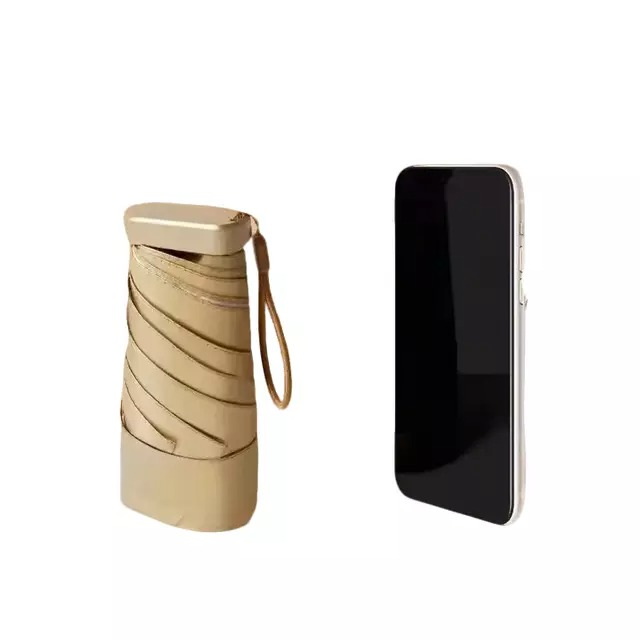
A folding umbrella is a compact, portable rain protection device designed to collapse into a smaller form for easy storage and transportation. Built for daily urban use, travel, and outdoor activities, folding umbrellas combine mechanical efficiency with durable materials to deliver reliable performance in varying weather conditions. For OEM partners, folding umbrellas offer an ideal platform for customization—from branding and colorways to packaging and feature sets—without sacrificing practicality or reliability. In this article, the folding umbrella is explored through its design elements, manufacturing considerations, market opportunities, and partner-oriented guidance, with practical prompts for visuals, testing, and collaboration.
From early collapsible designs to today's high-performance models, the folding umbrella has evolved through material innovations, tighter tolerances, and smarter production methods. Fiberglass ribs, aluminum shafts, and high-density canopy fabrics have reduced weight while increasing wind resistance and durability. Modern automatic-open mechanisms, ergonomic handles, and bespoke branding options enable folding umbrellas to function as both everyday tools and premium promotional items. OEM collaborations benefit from standardized components, scalable production, and consistent quality control, enabling brands to bring new folding umbrella lines to market quickly and cost-effectively. A well-designed folding umbrella balances compactness with resilience, ensuring it remains usable across a wide range of climates and user types.
The frame and ribs determine wind tolerance, stiffness, and overall feel in hand. Common materials include fiberglass for resiliency and light weight, aluminum for corrosion resistance, and metal alloys for strength. The choice affects price, repairability, and reaction to gusts. For OEM projects, a modular rib system can simplify customization and spare-part availability, reducing lead times for large orders.
Canopy fabrics are typically pongee, polyester, or blends chosen for water repellency, UV protection, and drying speed. Coatings such as PU or advanced laminates improve water resistance and colorfastness. Pantone-matched fabrics enable precise branding across panels, while dye-sublimation or heat-transfer printing supports full-panel logos and patterns for promotional use.
Opening mechanisms range from manual to automatic press-button systems. Automatic opens expedite use and are favored in retail or corporate gifting programs, while manual opens can reduce cost and complexity for basic ODM/OEM lines. The closing action must be reliable, with secure locking to prevent partial collapse during use.
Handles vary in material and grip design—from plastic ergonomic shapes to wood or rubberized grips. A comfortable handle improves user experience, particularly for all-day wearers or frequent travelers. For OEM partners, handle customization (logo, color, texture) supports brand differentiation without compromising grip or durability.
A robust supply chain for folding umbrellas relies on consistent access to frame components, fabrics, coatings, and fasteners. Long-term supplier relationships, transparent lead times, and documented quality controls help OEMs maintain predictable production schedules.
Standardized tooling can accelerate ramp-up for new models. Modular jigs and programmable assembly lines support quick changes in canopy size, rib count, or branding, enabling faster responses to market demand without sacrificing quality.
OEM programs benefit from clear QA protocols and certifications (e.g., material compliance, safety tests for spoke tips and joints, and packaging safety). Documented inspection checkpoints—from incoming materials to final packaging—reduce defects and returns.
Branding can be integrated at multiple touchpoints: canopy panels, ribs, handle grips, and carrying cases. Color matching to Pantone standards, logo embroidery or heat transfer, and packaging design (boxes, inserts, polybags) enable cohesive brand experiences across distribution channels.
Wind testing evaluates canopy deformation and frame stability under simulated gusts. Real-world tests should consider urban wind patterns and typical user handling. Data from wind tests informs material choices, rib configurations, and seam durability.
Canopy coatings and fabric quality affect water beading and drying times. Quick-dry fabrics and efficient water shedding reduce post-use moisture exposure, extending product life and improving portability for consumers.
Lifecycle durability encompasses canopy wear, seam integrity, handle reliability, and hinge performance. Stress testing and abrasion assessments help identify weak points and guide reinforcement strategies for repeated folding cycles.
- Travelers and commuters prioritize compactness, quick-dry fabrics, and reliability.
- Business professionals value premium aesthetics, branding fidelity, and consistent color/finish across orders.
- Students and casual users seek affordability without sacrificing performance.
OEM partners can leverage co-branding programs, limited edition runs, and seasonal campaigns. Custom packaging, exclusive colorways, and themed prints align with marketing calendars, deepening partner relationships and driving volume.
Folding umbrellas are ideal for corporate gifts, conference swag, and travel perks. Short-run capabilities, rapid prototyping, and scalable production help brands capitalize on peak promo windows.

Choosing recyclable fabrics and metal components, along with reduced packaging waste, strengthens ESG narratives. Clear labeling of materials and easy disassembly support recycling efforts.
OEMs can offer take-back schemes, discounts on replacement parts, or refurbishment options to extend product life and reduce landfill impact. Such programs resonate with environmentally conscious brands and retailers.
Emerging features include rain sensors, compact electronic components for alerts, and integration with mobile apps for weather-ready planning. Premium lines may explore smart materials or connectors that enable wind resistance data logging.
Integrated LED lighting or reflective trims can improve visibility in low-light conditions, adding value for outdoor workers, travelers, and city dwellers.
Advances in composite materials reduce weight while maintaining rigidity, enabling pocketable designs without sacrificing strength. These innovations broaden the appeal of folding umbrellas for travel accessories and premium gift items.
A robust QA program includes sample approvals, color and logo verification, component testing, and packaging checks. Establishing clear timelines for prototyping, first article inspection, and mass production helps manage expectations for brand partners.
- Define target specifications (size, weight, canopy area, open/close mechanism)
- Confirm branding requirements (logo size, placement, color, embroidery)
- Agree on packaging design, inserts, and documentation
- Set tolerance bands for critical dimensions and color matching
- Align on shipping terms, MOQs, and post-sales support
- Prompt ideas for images and short videos:
- Close-ups of canopy stitching, rib joints, and tip construction
- Wind-resistance demonstrations with controlled gusts
- Branding applications: canopy logos, handle engravings, packaging visuals
- A quick fold/unfold sequence to illustrate mechanism differences (manual vs automatic)
- Factory floor views of the production line, from fabric cutting to final assembly
- Packaging mockups and unboxing scenarios to highlight unboxing experiences
- Remember to provide alt text that emphasizes OEM capabilities, such as “Folding Umbrella canopy with Pantone-matched branding” or “Auto-open folding umbrella mechanism for corporate gifting.”
Choosing the right folding umbrella manufacturer is critical for consistent quality and timely delivery. Evaluate production capacity, material quality, customization flexibility, and support for co-branding programs. A transparent collaboration approach reduces risk and accelerates time-to-market for OEM projects.
If available, include anonymized case studies showing successful OEM partnerships—details about design iterations, branding outcomes, and efficiency gains. This strengthens credibility with prospective brand and distributor partners.
- Propose a product brief outlining target specs, branding requirements, and order quantities.
- Request prototypes or samples to validate color, size, mechanism, and branding fidelity.
- Discuss lead times, QC checkpoints, and shipping arrangements for the first production run.
- Provide a single point of contact for ongoing communication and project management.
The folding umbrella represents a versatile, scalable platform for OEM collaboration, combining compact form with durable performance and extensive customization options. For overseas brands, wholesalers, and manufacturers, partnering on folding umbrellas enables fast market entry, consistent quality, and impactful branding across regions. By aligning design choices, materials, and production processes, OEM clients can deliver reliable, high-value products that meet diverse consumer needs while maintaining efficient operations and clear ESG commitments.
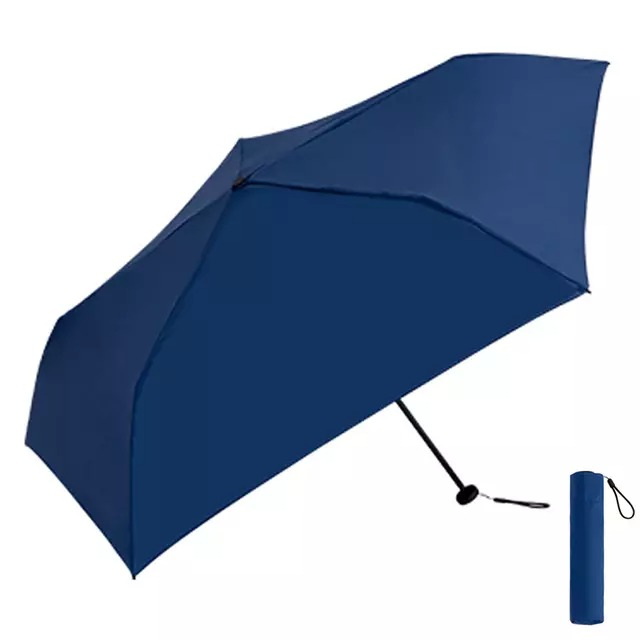
Answer: A folding umbrella is a compact, collapsible rain protection device ideal for branding due to its small footprint, predictable production flows, and multiple customization touchpoints such as canopy panels, ribs, handles, and packaging. OEM partners gain flexibility, scalable production, and consistent branding across large orders.[2][8]
Answer: Common frame materials include fiberglass and aluminum for strength and light weight, while canopy fabrics are often pongee or polyester with protective coatings. Material choices influence wind resistance, weight, water repellency, and colorfastness, directly impacting durability and cost.[1][3]
Answer: Lead times vary by order size, complexity of branding, and tooling readiness. A typical OEM cycle includes sampling, approval, tooling setup, production, and packaging, with realistic timelines discussed upfront to ensure on-time delivery.[2]
Answer: Yes. Wind resistance depends on rib design, frame material, canopy tension, and stitching quality. OEMs can specify higher-strength ribs, reinforced joints, and wind-tunnel-tested configurations to enhance performance in strong winds.[1]
Answer: Branding options include canopy panel prints, logos on handles or ribs, and customized packaging. Common file formats for branding designs include vector formats (AI, EPS, PDF) and high-resolution raster images (PNG, TIFF). Pantone color matching is recommended for consistent color reproduction.[2]
[1](https://www.umbrellas-factory.com/news/detailed-umbrellas-manufacturing-process/)
[2](https://topumbrella.com/info/164)
[3](https://www.youtube.com/watch?v=oP6aLXFSk18)
[4](https://www.youtube.com/watch?v=duIo3QygZtw)
[5](https://blogs.cdc.gov/niosh-science-blog/2022/05/25/mm_umbrellas/)
[6](https://www.facebook.com/ProfessionalUmbrella/videos/inside-our-umbrella-factory-in-cambodia-real-production-process-topumbrella/615693774927294/)
[7](https://www.umbrellafactory.cn/customize-mini-umbrella/)
[8](https://www.brumbrellas.com/different-styles-of-foldable-umbrellas/)


