
Language
Please Choose Your Language


Content Menu
● The Definition and Essence of Parasole
>> European Renaissance and Victorian Flourish
● The Modern Parasole: Types, Uses, and Customization
>> Primary Uses
● Inside Parasole Manufacturing
>> Traditional Craftsmanship and Modern Engineering
>> Case Example: Oil-Paper Parasole Production
● OEM Parasole Manufacturing for Brands
>> Partnerships in Key Sectors
● Innovations and Industry Trends
>> Eco-Friendly and Sustainable Design
>> Fashion and Artistic Collaborations
● The Role of Parasoles in Global Culture
● FAQ
>> What is the difference between a parasole and a standard umbrella?
>> Can OEM clients request custom parasoles?
>> What materials are ideal for manufacturing parasoles?
>> Where are parasoles mostly used today?
>> What innovations are shaping the future of parasole design?
The parasole, also known as the parasol, holds a unique place in human history as both a functional object for sun protection and a symbol of elegance. With a history stretching from ancient civilizations to contemporary OEM manufacturing, the parasole bridges ancient traditions and modern innovations. Today, manufacturers like us deliver custom-designed parasoles to brands, distributors, and producers worldwide, serving diverse needs ranging from outdoor shade to luxury marketing. This article offers a comprehensive exploration of the parasole: its origins, construction, varieties, relevance in today's market, and the OEM services that make them accessible to a global clientele.[2][4][10]
The word "parasole" is rooted in Latin, where "para-" means to shield and "sol" refers to the sun. Unlike standard umbrellas designed primarily for rain protection, a parasole is optimized for sun shading. Parasoles stand out due to their aesthetic appeal, light structural design, and focus on providing shade and UV protection.[4][2]
- Light construction: Parasoles typically use lighter frames than rain umbrellas, favoring bamboo, wood, or aluminum.
- Decorative fabrics: Unlike umbrellas, parasoles feature materials like silk, lace, and UV-resistant cotton, often with ornate patterns.
- Portable yet stylish: The parasole has become a fixture in gardens, on beaches, and at weddings, blending beauty with functionality.[10][11]
The parasole predates the rain umbrella, with the earliest known representations found in ancient Egypt and Persia, depicted as status symbols and practical sun protection for royalty and clergy. Over centuries, the tradition spread across Asia and Europe, evolving into both an accessory of power and fashion.[2][4]
In China, the parasole—often crafted from oil-paper or silk over bamboo—was invented around 200 CE and gained popularity for both sun and occasional rain use. Chinese artisans perfected techniques for using light, flexible materials and applying oil coatings to increase weather resistance, influencing later European innovations.[1][3]
By the 15th and 16th centuries, parasoles entered European society, initially as large, ceremonial pieces for the wealthy. During the Renaissance and Victorian eras, their design became more ornate and their function more widespread, particularly among the elite. Fabrics like calico, linen, and fine silk were used for covers, while handles were often intricate, carved from ivory, bone, or wood. Handles sometimes featured inlaid mother-of-pearl, porcelain, or even embedded timepieces, showcasing both status and the owner's personal tastes.[5][2]
As manufacturing evolved, the industrial revolution allowed parasoles to be produced more widely, no longer reserved only for aristocrats. By the 18th and 19th centuries, innovations like steel ribs, new fabrics (such as alpaca wool), and mechanized production techniques further democratized ownership, bringing parasoles to urban life as symbols of style and practicality.[4]
The modern market offers a diversity of parasoles tailored for specific roles, from garden sunshades to fashion accessories and branding tools.
- Garden & Patio Parasole: Large, UV-resistant, and often cantilevered, these parasoles are staples for outdoor dining, cafes, and poolside areas.[11][10]
- Promotional & OEM Parasole: Companies often request custom-branded parasoles with logos, unique color schemes, and special shapes for marketing events and corporate gatherings.[12][13]
- Vintage Fashion Parasole: Smaller, lighter, and highly decorative, these parasoles remain popular as accessories at weddings, historical reenactments, and luxury events.[5][10]
- Travel & Beach Parasole: Designed for easy portability and quick setup, ideal for picnics, seaside excursions, or spontaneous outdoor adventures.
- Sun Protection: The parasole's primary function is to provide shade and reduce UV exposure in outdoor settings.
- Event Enhancement: Enhances the ambiance at parties, weddings, commercial events, and photoshoots.
- Commercial Branding: Serves as a moving advertisement when customized for businesses, restaurants, and branded promotions.[13][12]
- Decorative Accent: Adds elegance to outdoor furniture sets or as an architectural flourish.
The process of manufacturing a parasole exemplifies the blend of tradition and innovation. In Asian origins, especially the famed oil-paper umbrellas of China and Japan, craftsmanship involved up to several dozen steps, with artisans carefully selecting bamboo, preparing frames, applying layers of paper or silk, and painting or oiling for weather protection. Each finished product was not only functional but also a work of art.[3]
In contemporary OEM manufacturing, the steps include:
1. Material Selection: Choosing durable frame materials (bamboo, wood, steel, or aluminum) and canopy fabrics (UV-treated polyester, acrylic, cotton, or luxury silks).
2. Design Customization: OEM buyers specify canopy color, logo print, fabric type, and sometimes unique mechanisms or handle shapes.[12][13]
3. Cutting & Sewing: Modern, high-precision machinery ensures uniform shapes and reinforced stitching for longevity.
4. Frame Assembly: Light but sturdy frames are constructed for easy deployment and transport.
5. Brand Application: For commercial use, branding is added via printing, embroidery, or appliqué methods.
6. Quality Assurance: Comprehensive testing for strength, UV resistance, and weather durability.
7. Packaging & Export: Final products are securely packaged for bulk shipment, with custom labeling and documentation.
In the traditional Chinese oil-paper umbrella, artisans split bamboo for the ribs, soak and sun-dry the wood, bind frames, glue on washi paper, apply natural oils for waterproofing, and finally paint the canopy with decorative designs—a meticulous, labor-intensive process that creates unique, highly prized items, some considered "umbrella kings" for their size and complexity.[3]
Today's parasole factories have adopted these time-honored techniques while utilizing computer-aided design (CAD), automation, and eco-friendly materials. The result is a wide range of products spanning from mass-market utility parasoles to exclusive, handcrafted showpieces.
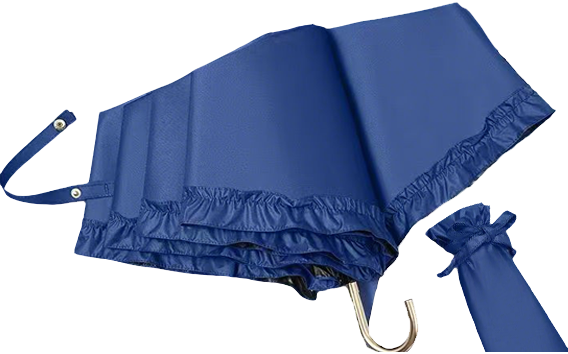
OEM (Original Equipment Manufacturer) services have revolutionized the parasole industry by providing unparalleled customization options for global brands:
- Logo placement and color selection: Ensures brand identity on every unit.
- Specialty shapes and sizes: From petite hand-held parasoles to expansive patio shades.
- Innovative features: Windproof canopies, adjustable tilt, modular design, and more.
- Bulk order efficiency: Rapid, cost-effective fulfillment for distributors and retailers.[13][12]
OEM manufacturers supply parasoles to:
- Outdoor furniture brands
- Hospitality venues: Restaurants, hotels, and beach resorts.
- Event planners: For festivals, exhibitions, and public gatherings.
- Fashion and luxury boutiques: As exclusive accessories.
OEM collaboration simplifies entry into new markets and allows foreign brands to differentiate with bespoke parasole offerings.
Sustainability is a rising concern in parasole production, manifested through:
- Eco-friendly materials: Use of recycled fabrics, responsibly sourced bamboo and wood, and non-toxic dyes.
- Longevity and repairability: Designs enabling canopy replacement or frame repair for extended product life.
- Green manufacturing processes: Reduction of waste, solar-powered factories, water recycling, and minimal packaging.
Leading designers often collaborate with parasole manufacturers to create limited-edition collections featuring:
- Haute couture fabrics
- Artistic prints
- Custom hardware, including gem-set handles and engraved metallics
Such partnerships help position the parasole not only as a utilitarian product, but also as a luxury statement.
Emerging trends include:
- Advanced UV coatings: Enhanced sun-blocking efficiency.
- Windproof engineering: Reinforced frames for stability even in high winds.
- Smart features: Prototypes of solar cell-integrated parasoles for powering small devices outdoors.
Parasoles transcend cultural boundaries, holding deep symbolic meaning:
- Asia: Ceremonial use, status symbol, and daily sun protection, especially in China and Japan.
- Europe: Luxury accessory linked to fashion history, from aristocratic courts to modern summer events.
- Africa and the Middle East: Adapted as practical sun shields in hot climates, as well as for beauty and modesty.[2][3][4]
- America: Icon of retro style (see Victorian and Edwardian periods) and resurgence in wedding, garden, and hospitality settings.
Parasoles continue to enrich outdoor aesthetics worldwide while delivering tangible health and brand value.
The parasole stands as a testament to centuries of ingenuity, artistry, and adaptation—blending form and function to shield users from the sun while enhancing beauty and individual expression. In today's market, modern OEM manufacturing ensures that brands across the globe can access customized, high-quality parasoles for virtually any commercial or aesthetic purpose, from luxury resorts to outdoor cafés and high-fashion runways. Embracing innovation, sustainability, and personalized design, the parasole's legacy grows ever brighter, shading the world with elegance and protection.
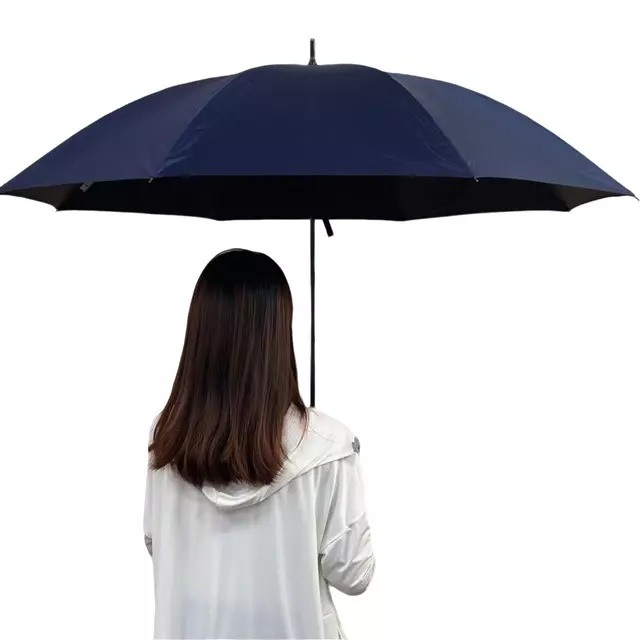
A parasole is specifically designed for sun protection, using lighter materials and elegant fabrics, while standard umbrellas are made to shield from rain and typically focus on durability and waterproofing.[14][10][2]
Yes. OEM factories offer in-depth customization, allowing clients to select everything from canopy material, shape, and color to logo placement and special features, making the parasole a flexible tool for branding and marketing.[12][13]
Common parasole materials include UV-resistant polyester, silk, cotton, lace, and high-quality paper for canopies, with frames constructed from bamboo, aluminum, wood, or steel for desired strength and weight.[15][10][3]
Parasoles are ubiquitous at outdoor parties, weddings, garden venues, cafes, resorts, and events, and are also valued as fashion accessories and symbols of refinement across many cultures.[10][11][5]
Key developments include eco-friendly materials, modular and repairable designs, artistic collaborations, improved UV coatings, and features like windproofing and smart accessories, supporting both style and sustainability.[9][16][17][11]
[1](https://www.youtube.com/watch?v=HUSlx8gUJI4)
[2](https://www.folkwear.com/blogs/news/historyoftheparasol)
[3](https://en.wikipedia.org/wiki/Oil-paper_umbrella)
[4](https://www.ammsun.com/blogs/news/shading-through-time-a-history-and-evolution-of-sun-umbrellas)
[5](https://fiveminutehistory.com/parasols-the-essential-victorian-accessory/)
[6](https://digitalcommons.uri.edu/cgi/viewcontent.cgi?article=2200&context=theses)
[7](http://www.umbrellahistory.net/umbrella-types/how-umbrella-is-made/)
[8](https://www.euppublishing.com/doi/10.3366/cost.2025.0343)
[9](https://www.scolaro-parasol.it/gb/content/8-50-years-of-history)
[10](https://umbrellabazaar.com/blogs/news/what-is-a-parasol-umbrella)
[11](https://www.wallpaper.com/design/garden-parasol-design)
[12](https://www.umbrellafactory.cn)
[13](https://www.lidagarden.com/product-category/patio-umbrella/)
[14](https://artsandculture.google.com/usergallery/YAISMX_YucmALg)
[15](https://schirmmacher.eu/production-of-parasols)
[16](https://www.youtube.com/watch?v=I_Wytsjg0vQ)
[17](https://www.originalparasolco.com)


