
Language
Please Choose Your Language
Views: 222 Author: Amanda Publish Time: 2025-11-03 Origin: Site


Content Menu
● Defining “Standard” for Beach Umbrellas
● Detailed Breakdown: Beach Umbrella Sizes
>> Medium/Standard Beach Umbrellas
>> Oversize/Commercial Beach Umbrellas
● Height and Structural Considerations
● Key Features of Standard Beach Umbrellas
>> Tilt and Adjustable Features
>> Portability
● Selecting the Right Standard Beach Umbrella
● Benefits of the Standard Size for Beach Umbrellas
● Common Applications of Beach Umbrellas
>> Commercial Beach Operations
>> Resort and Hospitality Businesses
● Manufacturer and OEM Insights
● FAQ
>> 1. What diameter is most common in standard beach umbrellas?
>> 2. How much shaded area does a standard beach umbrella provide?
>> 3. What materials are best for standard beach umbrella frames?
>> 4. Is UPF 50+ important for beach umbrellas?
>> 5. How do standard beach umbrellas compare to patio umbrellas?
A beach umbrella is an essential accessory for outdoor recreation, providing necessary shelter from the sun's rays and creating a more comfortable and enjoyable beach experience. For consumers, retailers, and manufacturers alike, understanding the definition of “standard size” for a beach umbrella is crucial for product selection, marketplace positioning, and customer satisfaction. This article offers a detailed exploration of standard beach umbrella dimensions, technical specifications, common features, and user considerations, tailored for brands, wholesalers, and OEM manufacturers in the global market.[1][2]
When it comes to beach umbrellas, the term “standard size” refers to typical canopy diameters, pole height, and overall sun protection coverage geared toward individual, couple, or small-group use. Although exact dimensions may differ between regions or manufacturers, the general consensus in the international market aligns with the following:[2][1]
- Standard beach umbrella canopies range from 6 feet (1.83 meters) to 8.5 feet (2.6 meters) in diameter.[3][1][2]
- Most standard models have a pole height of 6–7 feet (1.83–2.13 meters), accommodating the needs of adults both sitting and standing under the shade.[2]
- The shade “footprint” provided by a standard beach umbrella typically covers 30–60 square feet, depending on the actual canopy size and sun angle.[9][1]
This standardization caters to portability, ease of setup, and sufficient sun protection for solo beachgoers, couples, or a small family, which reflects the majority of beach umbrella use cases globally.[1][3][2]
- Diameter: 5 to 6 feet (1.52–1.83 meters)
- Coverage: 20–30 square feet; suitable for one adult or compact space[1]
- Portability: Ultra-lightweight, easy to carry, ideal for solo travelers or minimalists
- Use Case: Quick shade for sunbathing, small beach chairs, or children
- Diameter: 6.5 to 7.5 feet (2–2.3 meters)
- Coverage: 30–45 square feet; fits 1–2 adults or a couple with a child[3][2][1]
- Portability: Still reasonably lightweight and packable, fits most beach bag designs
- Use Case: Everyday use for couples, friends, or families with modest space requirements
- Diameter: 8 to 8.5 feet (2.5–2.6 meters)
- Coverage: Up to 60 square feet; enough for two to three adults or a small family[2][1]
- Portability: Heavier, may require wheels or larger carrier, but offers superior coverage
- Use Case: Group relaxation, family picnics, or lounge setups that demand broader shade
- Diameter: 9 feet and above (2.8+ meters)
- Coverage: 60+ square feet; designed for large families, communal use, or commercial vendors
- Portability: Generally less portable; mounted or heavy-duty options for long-term setups
- Use Case: Rental markets, beach clubs, or promotional events needing expansive coverage[2]
A standard beach umbrella pole is usually between 6 and 7 feet tall (1.8–2.1 meters). This height allows comfortable clearance for users sitting, lying, or standing beneath the canopy and provides adequate space for beach chairs, totes, or coolers. Adjustable poles are popular, allowing users to lower or raise the canopy depending on sun position or wind conditions.[1][2]
- Pole Diameter: Standard pole diameters range from 1.25 inches (32 mm) to 1.5 inches (38 mm), ensuring compatibility with sand anchors or beach umbrella stands.[4]
- Materials: Common pole materials are steel, aluminum, and fiberglass. Fiberglass and aluminum are preferred for their resistance to corrosion from sea air.[1]
- Canopy Shape: The most common is a round canopy, but square and hexagonal shapes also exist for design variation and increased coverage options.
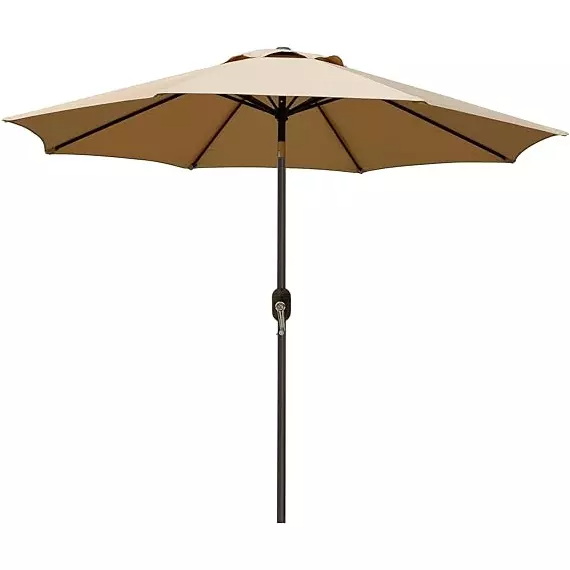
Most quality beach umbrellas feature UPF 50+ sun protection, blocking more than 98% of harmful ultraviolet rays. This is typically achieved through specialized polyester or canvas fabrics, often reinforced with coatings to withstand saltwater, sand, and repeated use.[1]
Vents built into the top of the umbrella canopy serve a dual function: releasing trapped heat and allowing wind to flow through, thus reducing the risk of the umbrella being lifted or toppled by gusts. For larger umbrellas, double-canopy or multi-vent designs are common.[1]
A tilt mechanism is a valuable addition, enabling users to angle the canopy throughout the day for maximum shade, without having to reposition the base.[2][1]
Beach umbrellas require reliable anchoring to remain stable in sand, whether via built-in sand screws, augers, spiked poles, or specialized umbrella bases. Some models include extra accessories such as tie-down straps or weighted bags for enhanced security against coastal breezes.[2][1]
The portability of a beach umbrella is defined by its weight, folded length, and the inclusion of a storage bag or carrying sling. Standard sizes (6.5–7.5 feet diameter) typically weigh between 4 to 7 pounds and pack down to under 45–55 inches, making them straightforward to transport by foot, bicycle, or car.[4]
The number of people, duration of beach trips, transportation method, and likelihood of wind are crucial in determining the right beach umbrella size.[2][1]
- Solo Users: Prefer lightweight, smaller umbrellas for easy set-up and carry.
- Couples or Small Families: A 7 to 8.5 feet diameter umbrella provides a versatile balance of coverage and portability.[3][1]
- Group Use or Family Day Trips: Opt for 8.5 feet and above for maximum comfort.
Choose high-density, UV-resistant fabrics such as polyester, acrylic, or vinyl for long-term outdoor exposure. Edge reinforcements and strong stitching reduce wear and tear, while fade-resistant coloring prolongs aesthetic appeal.[1][2]
Look for vented canopies, reinforced ribs (preferably fiberglass or flexible fiberglass composite), and robust anchoring systems. If frequenting particularly windy beaches, prioritize these features to maintain stability and safety.[1]
Standard beach umbrellas should be deployable within minutes. Desirable features include simple push-button or tension-release systems, telescoping or jointed poles, and intuitive anchoring designs.[2][1]
Opting for a standard size beach umbrella ensures market compatibility and broad user satisfaction—for both casual beachgoers and international retailers alike. Here are some advantages:
- Easy Fit: Standard sizes align with most beach accessories (chairs, tables, anchors, and carriers), simplifying cross-sell opportunities.[3][2][1]
- Wide Availability: Replacement parts, covers, and accessories are easily sourced thanks to standardized sizing.
- Optimized Portability: Products in this range balance usable coverage against manageable weight and packed size.
- Cost Efficiency: Standard models are mass-produced, often resulting in better price points without sacrificing quality.
- Customization: Manufacturers can deliver OEM and ODM services with branding, colors, or logos tailored to specific markets while still leveraging standard frame and canopy sizes.
Standard size beach umbrellas deliver robust performance, from sunbathing and reading to picnics and activities for children. Their coverage efficiently shields users from direct sun, reducing the risk of heat exhaustion and sunburn.[1]
Many rental operators and beachside vendors prefer standard sizes (7.5–8.5 feet), providing ample shade for day-rentals while ensuring durability and fast turnover between customers.
Hotels, resorts, and beach clubs stock large numbers of standard beach umbrellas for poolside and beach seating, prioritizing easy handling and uniformity in guest experiences.[2][1]
Prolonging a beach umbrella's lifespan requires periodic cleaning, careful storage, and post-use drying to prevent mold and corrosion. Modern designs make this maintenance straightforward with quick-release canopies, easily rinsable fabrics, and rust-resistant hardware.
For manufacturers catering to global markets, standard sized beach umbrellas represent both an opportunity and a challenge. Versatility, quality control, and consistency in the fabrication of 6–8.5 feet models help meet consumer expectations and compliance requirements across various regions. OEM and ODM solutions, leveraging standardized hardware with tailored covers or branding, enjoy stronger appeal among international buyers, brand owners, and local distributors.
A reputable OEM manufacturer will typically:
- Offer a catalog of standard-sized umbrellas (6, 6.5, 7, 7.5, 8, and 8.5 feet) with robust customization options.
- Use fabrics meeting or exceeding UPF 50+ ratings.
- Provide engineering drawings and certifications for major retail markets (EU, US, Australia, etc.).
- Implement rigorous QA for frame integrity, canopy construction, and safety features.
The adaptability of standard beach umbrellas—across environments, use cases, and market preferences—positions them as a versatile pillar of the global leisure industry.
A standard size beach umbrella typically measures 6 to 8.5 feet in diameter and 6 to 7 feet in height. These dimensions offer the optimal blend of personal shade, ease of transport, and broad compatibility with most beach, resort, and rental environments. By focusing on essential attributes such as UPF 50+ protection, vented canopies, solid anchoring, and robust materials, buyers and brands can ensure reliable sun safety and user satisfaction. As both manufacturers and international retailers recognize, the standard size beach umbrella does not simply define a measurement—it defines an ideal outdoor experience shaped by functionality, comfort, and safety for users worldwide.[9][4][3][2][1]
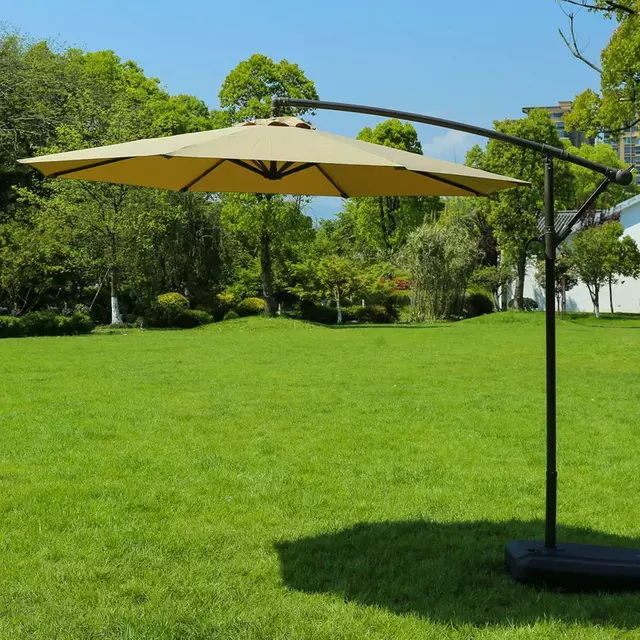
Most standard beach umbrellas range from 6 to 8.5 feet in diameter, with 7 or 7.5 feet being especially popular for everyday use and small family outings.[3][2][1]
A standard 7–8.5 foot beach umbrella typically offers shade coverage between 35 and 60 square feet, depending on the canopy shape and sun angle.[9][1]
Quality models use aluminum or fiberglass poles for corrosion resistance and flexibility; steel poles are durable but require protective coatings for seaside applications.[2][1]
Yes, UPF 50+ fabrics are recommended as they block more than 98% of UV rays, significantly lowering the risk of sunburn and skin damage.[1][2]
Standard beach umbrellas are designed for portability, sand anchoring, and high sun protection, while patio umbrellas are stationary, use heavier bases, and emphasize shade for larger fixed spaces.[1]
[1](https://topumbrella.com/info/156)
[2](https://www.ammsun.com/blogs/news/a-buying-guide-to-choosing-the-best-beach-umbrella)
[3](https://www.brumbrellas.com/the-ultimate-guide-to-choosing-the-best-beach-umbrella/)
[4](https://uv-blocker.com/pages/uv-blocker-beach-umbrella-dimensions)
[5](https://www.bbqguys.com/a/28834/learn/outdoor-living/buying-guides/umbrellas/sizes)
[6](https://westshade.com/blogs/what-size-patio-umbrella-do-i-need/)
[7](https://www.shadeusa.com/telebrella-vs-portabrella/)
[8](https://vocal.media/lifehack/here-s-a-guide-to-choosing-the-perfect-beach-umbrella)
[9](https://beachbub.com/blogs/news/best-beach-umbrella-buying-guide)


