
Language
Please Choose Your Language


Content Menu
● Definition of Poncho Raincoat
● Poncho Raincoat vs. Traditional Raincoat
● Common Materials in Poncho Raincoats
● Sizing and Fit of Poncho Raincoat
● Key Features of a Modern Poncho Raincoat
● Use Scenarios for Poncho Raincoats
● Advantages of Poncho Raincoat
● Limitations of Poncho Raincoat
● How to Choose the Right Poncho Raincoat
● Care and Maintenance of Poncho Raincoat
● OEM and Branding Opportunities
● FAQs
>> (1) What is the main difference between a poncho raincoat and a normal raincoat?
>> (2) Is a poncho raincoat suitable for hiking and backpacking?
>> (3) Which material is best for a poncho raincoat?
>> (4) How should a poncho raincoat fit?
>> (5) How do you store and care for a poncho raincoat?
A poncho raincoat is a simple but highly effective type of Raincoat made from waterproof or highly water‑resistant fabric, cut as a large sheet with a head opening and usually an attached hood. The poncho raincoat hangs loosely over the shoulders and upper body, often extending to mid‑thigh or below, and is designed to keep both the wearer and their gear dry in the rain.
A poncho raincoat is widely used by commuters, travelers, hikers, cyclists, festival visitors, and workers who need lightweight, flexible raincoat protection. For OEM brands, wholesalers, and retailers, the poncho raincoat is also an attractive raincoat product because it is easy to size, easy to pack, and offers a large surface for printing logos and artwork.
A poncho raincoat combines the traditional poncho shape with the functional requirements of a modern raincoat. Instead of fitted sleeves and a full front zipper, the poncho raincoat uses a wide, cape‑style design that covers the torso and part of the legs in one continuous piece of fabric.
Most poncho raincoat designs include:
- A head opening with a reinforced collar or placket
- An integrated hood, often with a drawcord or brim
- Wide front and back panels that drape over clothing and backpacks
Some poncho raincoat models also have snaps or buttons along the sides, allowing the wearer to close the sides during heavy rain or to open them for extra ventilation. In all cases, the goal of the poncho raincoat is to keep rain out while remaining light and easy to move in.
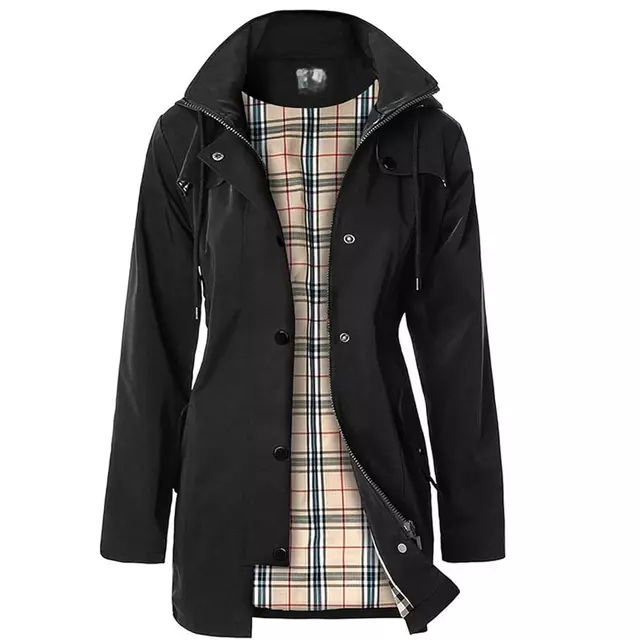
A traditional raincoat is usually a jacket‑style raincoat with sleeves, a zipper or buttons along the front, a fitted torso, and multiple pockets and adjustments. It wears like a normal coat but uses waterproof or water‑resistant fabric and sealed seams.
The poncho raincoat, by contrast:
- Uses a loose, open shape instead of a tailored coat pattern
- Relies on drape and length rather than tight cuffs and hems
- Prioritizes quick on‑off and gear coverage over fashion tailoring
In city commuting, a fitted raincoat or trench‑style raincoat may look more formal, while a poncho raincoat is more casual and functional. For hiking, backpacking, or bike commuting, many users prefer the poncho raincoat because it easily covers a backpack, messenger bag, or camera bag without needing an extra rain cover.
A poncho raincoat keeps you dry in three main ways: waterproof fabric, smart shaping, and controlled openings.
1. Waterproof or highly water‑resistant fabric
The fabric of a poncho raincoat is treated or engineered so that liquid water cannot pass through under normal rainy conditions. Water beads up and runs off the surface, instead of soaking into the raincoat.
2. Draped coverage and gravity
Because the poncho raincoat hangs freely from the shoulders, rainwater naturally flows downward and away from the head, shoulders, and upper body. Long front and back panels of the poncho raincoat also help protect the upper legs and seat area.
3. Hood and openings
The hood of a poncho raincoat shields the head and face from rain, and the neck area is designed to minimize gaps where water can enter. Side snaps, cords, or small sleeves on some poncho raincoats help control how much air and rain can enter from the sides.
Together, these elements mean a poncho raincoat can keep a large part of the body, plus a backpack, dry with a relatively simple construction.
Different poncho raincoat materials offer different balances of durability, weight, cost, and comfort. Typical fabrics for a poncho raincoat include:
- PVC or vinyl
A classic emergency poncho raincoat material. It is very waterproof and low cost, but heavier and less breathable. Common in disposable or promotional poncho raincoat models.
- PU‑coated polyester or nylon
Polyester or nylon fabric coated with polyurethane makes a strong, flexible poncho raincoat. These raincoats feel lighter, pack smaller, and dry faster than many PVC options.
- Advanced membrane fabrics
Some performance poncho raincoat designs use multi‑layer fabrics with waterproof–breathable membranes. These poncho raincoats balance protection with the ability to let water vapor escape, which is useful for long hikes.
The right poncho raincoat material depends on the target use. A tourist attraction might choose a transparent PVC poncho raincoat for low‑cost giveaways, while an outdoor brand might specify lightweight nylon for a premium packable poncho raincoat.
A good poncho raincoat needs to manage both rain and body heat. Even if the fabric itself is not highly breathable, the open, loose cut of the poncho raincoat creates natural ventilation.
Key comfort factors include:
- Airflow from below: Because the poncho raincoat is open at the bottom, warm air and moisture can escape.
- Side openings: When side snaps are open, the poncho raincoat acts almost like a moving shelter with large vents.
- Hood design: A well‑shaped hood helps shed rain while not trapping too much heat around the head.
For very active users, a lighter fabric poncho raincoat with extra vents or mesh panels can reduce overheating. Layering a breathable base layer and mid‑layer under the poncho raincoat also helps manage moisture in changing conditions.
Unlike many fitted raincoats, a poncho raincoat often comes in “one size fits most,” relying on length and width rather than precise chest or waist sizing. Still, fit matters, especially for OEM orders and e‑commerce sales.
Important sizing points for a poncho raincoat:
- Front and back length: The poncho raincoat should be long enough to cover the hips and upper legs while still allowing free movement.
- Width across the shoulders: The poncho raincoat should easily cover shoulders and any backpack straps.
- Hood volume: The hood should fit over a bare head or hat without blocking vision.
Some poncho raincoat lines offer S/M, L/XL, or even children's and plus‑size versions. Clear size charts in centimeters and inches, plus reference photos of the poncho raincoat on models of different heights, help users choose confidently.
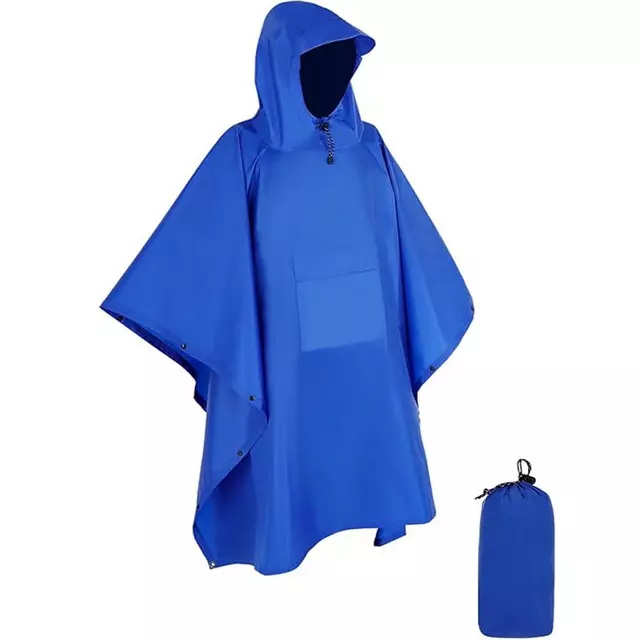
Modern poncho raincoat designs often add practical details beyond the simple sheet‑and‑hood concept. Typical features include:
- Adjustable hood with drawcords or a small brim
- Side snaps, buttons, or short sleeves to reduce flapping
- Front placket with zipper or snaps at the neck
- Hand openings or hidden arm slits
- Reflective strips for visibility in low light
- Storage pouch or pocket that doubles as a carry bag
For OEM projects, these poncho raincoat features can be customized according to the brand's target market, budget, and intended use environment.
Poncho raincoats are popular because they fit many everyday and professional scenarios, such as:
- Daily commuting
A compact poncho raincoat stored in a backpack, briefcase, or car is an easy solution for sudden showers on the way to work or school.
- Outdoor recreation
Hikers, campers, and festival goers appreciate a poncho raincoat that can cover their body and backpack, and even serve as a simple shelter in a pinch.
- Cycling and delivery work
Riders often choose a poncho raincoat that reaches over the handlebars and back rack, keeping legs and bags drier than a short raincoat.
- Professional and industrial use
Reflective or high‑visibility poncho raincoat designs support roadside work, construction, and logistics operations in rainy conditions.
Because the poncho raincoat is so versatile, retailers and wholesalers can position it as both a personal raincoat and a practical emergency item.
The poncho raincoat offers several strong advantages compared with many other raincoat types:
- Wide coverage
A single poncho raincoat can shield the head, torso, part of the legs, and even a backpack or bag.
- Fast on and off
The poncho raincoat is easy to throw on when rain starts and easy to remove when it stops, with no complex zippers or layering.
- Good ventilation
The open design allows air to circulate under the raincoat, reducing the feeling of being trapped or overheated.
- Multi‑use potential
In outdoor situations, a poncho raincoat can double as a groundsheet, improvised tarp, or cover for equipment.
- Compact storage
Many poncho raincoats pack into a small pouch that fits in a handbag, glove box, or backpack pocket.
These advantages make the poncho raincoat an attractive product for brands that want to offer practical, lightweight raincoat solutions.
Despite its flexibility, the poncho raincoat does have limitations that should be communicated honestly:
- Wind performance
In strong wind, the wide panels of a poncho raincoat can catch air and flap, which may be uncomfortable if side closures are not used.
- Less tailored style
For business or formal settings, the loose, cape‑like look of a poncho raincoat may feel less refined than a structured raincoat or trench.
- Fewer storage pockets
Most poncho raincoat designs have fewer internal pockets compared to full jackets, so small items may need to stay in pants or backpack pockets.
- Limited insulation
A poncho raincoat primarily blocks rain and wind; it does not normally provide significant warmth and should be combined with warm layers in cold weather.
Understanding these trade‑offs helps buyers choose when a poncho raincoat is the right tool and when another raincoat style might be better.
To select the best poncho raincoat for a specific user or market, consider several factors:
1. Intended use
Is the poncho raincoat for city commuting, hiking, cycling, travel, or emergency kits?
2. Material and weight
Lighter fabrics suit backpacking and everyday carry; thicker fabrics suit heavy‑duty or industrial use.
3. Waterproofness and durability
Check fabric thickness, coating type, and seam construction, especially for frequent use.
4. Length and coverage
Ensure the poncho raincoat covers enough of the body and gear without restricting step length.
5. Branding and color
Choose colors and printing layouts that match brand identity and market preferences.
For OEM customers, discussing these points early with the manufacturer ensures that the poncho raincoat design meets both performance and marketing needs.
Proper care extends the life of any poncho raincoat, even in demanding conditions:
- After use in rain, shake off water and hang the poncho raincoat in a ventilated place until fully dry.
- Avoid long‑term exposure to direct sunlight when storing, as UV can weaken some fabrics and coatings.
- Clean the poncho raincoat with mild detergent and lukewarm water according to its care label, avoiding bleach or strong solvents.
- Re‑apply waterproofing spray or wash‑in treatment if the poncho raincoat fabric begins to soak rather than bead water.
With basic care, a quality poncho raincoat can deliver many seasons of reliable service.
From a manufacturing and marketing perspective, the poncho raincoat is an excellent canvas for branding:
- Large back and chest panels allow noticeable logos, patterns, and slogans.
- The hood and storage pouch of a poncho raincoat can also carry small brand marks.
- Color‑blocking and reflective elements give the raincoat a distinctive identity.
OEM projects can adjust:
- Fabric type and thickness
- Color combinations and print positions
- Length, hood shape, and side closure design
- Packing method (individual polybag, pouch, custom box)
This flexibility lets overseas brands and wholesalers position the poncho raincoat as a budget giveaway, a mid‑range outdoor raincoat, or a premium technical product.
To get the best performance from a poncho raincoat, users can follow a few simple tips:
- Put on your backpack or shoulder bag first, then pull the poncho raincoat over both body and bag.
- In strong wind or heavy rain, close side snaps or buttons to limit flapping and keep rain from blowing inside.
- Adjust the hood drawcord and, if present, a small brim so rain flows away from the face without blocking vision.
- If needed, secure a light belt or hip strap over the poncho raincoat to keep the fabric closer to the body while walking or cycling.
Used correctly, a poncho raincoat can feel like a portable, wearable shelter.
A poncho raincoat is a simple, versatile, and cost‑effective raincoat solution that offers wide coverage, strong protection, and excellent ventilation. Its loose, draped design lets one poncho raincoat shield both the wearer and their backpack or bag, making it ideal for commuting, hiking, travel, and outdoor events.
By understanding materials, sizing, features, and usage scenarios, consumers can choose poncho raincoat models that match their lifestyle, and brands can specify poncho raincoat designs that fit their markets. With thoughtful OEM customization, the poncho raincoat becomes not only a practical raincoat but also a powerful promotional and branding tool.
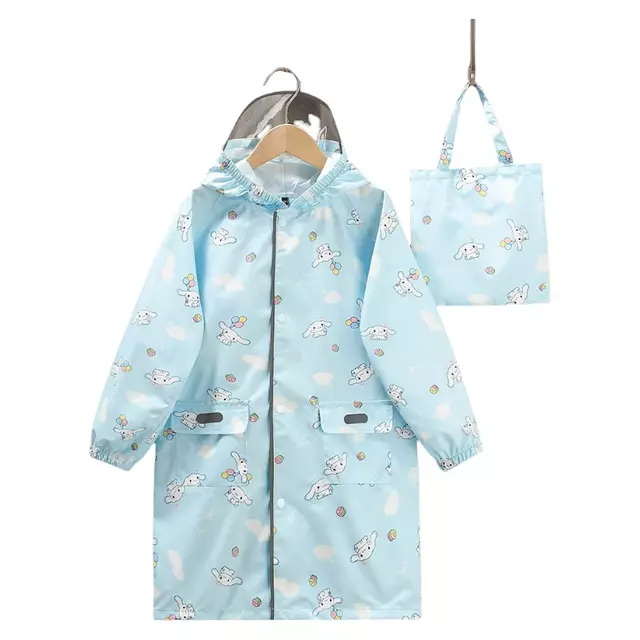
A poncho raincoat uses a loose, cape‑style design with a hood and large panels that drape over the body, while a normal raincoat is a fitted jacket with sleeves and a front closure. The poncho raincoat prioritizes wide coverage and ventilation, whereas a normal raincoat focuses more on a snug, tailored fit.
Yes, a poncho raincoat is very popular for hiking and backpacking because it can cover both the wearer and the backpack, reducing the need for a separate rain cover. The open design of the poncho raincoat also helps release heat and moisture, which is important when walking for long periods.
For frequent outdoor use, lightweight nylon or polyester with a quality waterproof coating is often the best balance of durability, weight, and comfort in a poncho raincoat. PVC poncho raincoats are highly waterproof and inexpensive, making them good for occasional or emergency use, but they are heavier and less breathable.
A poncho raincoat should hang loosely from the shoulders, with the hem reaching at least to mid‑thigh and ideally covering any backpack. The hood should adjust securely around the head without blocking vision, and the side openings or arm slits should allow free movement without leaving large gaps in heavy rain.
After wearing a poncho raincoat in the rain, shake off excess water and hang it to dry completely before folding or packing it in a pouch. Clean it gently with mild detergent as needed, avoid harsh chemicals, and keep the poncho raincoat away from direct sunlight and high heat during storage to protect its waterproof coating.


