
Language
Please Choose Your Language
Views: 222 Author: Amanda Publish Time: 2025-11-15 Origin: Site


Content Menu
● The Importance of a Beach Umbrella
● Essential Features of the Best Beach Umbrella
>> Sun Protection (UPF Rating)
>> Wind Resistance and Anchoring
>> Adjustability and Convenience
● 2025's Standout Beach Umbrellas
● Selecting Your Beach Umbrella: User Scenarios
>> For Wholesale and OEM Buyers
● Advanced Features and Innovations
>> Sand Anchors and Stability Systems
>> Push-Button Tilt and Height Adjust Access
>> Integrated Pockets and Side Panels
● Beach Umbrella vs. Sunshade and Canopy: A Modern Comparison
● Maintenance and Storage Tips
● Custom Beach Umbrellas: Wholesale and OEM Perspective
● Expert Advice and Buying Checklist
● Real-World Use: Beach Umbrella Tips
● Sustainability Trends in Beach Umbrellas
● FAQ
>> 1. What's the best material for a beach umbrella?
>> 2. How can I prevent my beach umbrella from flying away?
>> 3. Which UPF rating is recommended?
>> 4. Can I custom brand a beach umbrella for my business?
>> 5. Should I choose a beach umbrella or canopy?
Beach umbrellas remain one of the essential accessories for anyone seeking comfort, shade, and protection from the sun while enjoying a day by the ocean. Whether you're a casual sunbather or a frequent family beachgoer, the right beach umbrella offers not only relief from heat but also portable privacy and wind protection. For those engaged in OEM manufacturing and global supply for brands, understanding what discerning customers value—durability, UV defense, stability, and personalization—is fundamental to shaping top-tier beach umbrella solutions.[5][6][11][12][13]
Enjoying time at the beach means exposure to the sun's powerful rays. Even short periods in direct sunlight can increase the risk of sunburn, premature skin aging, and serious health risks such as skin cancer. A beach umbrella with a high UPF rating acts as a physical barrier, creating a shaded oasis for relaxation and activities. In the context of modern beach culture, having an umbrella is not just about shade; it's about comfort, safety, and maximizing enjoyment during outdoor excursions. For overseas brands and buyers, specifying highest-grade fabrics and robust build is both a selling point and a responsible choice in line with international safety standards.[11][12][14][15][16][17][5]
Sun protection remains one of the most crucial features—look for canopies made from UPF 50+ certified fabric, which blocks over 98% of harmful UV rays. Polyester and heavy-duty canvas remain top choices, while added silver coatings or Dark Undersides can further improve sun-blocking capability.[14][17][5]
Beach umbrellas range from compact single-person options (about 5-6 feet) to expansive canopies exceeding 8 feet for groups or family use. Larger umbrellas increase shade but may sacrifice some portability.[6][17][5]
Wind is the enemy of most beach setups, so selecting an umbrella with reinforced ribs, vented canopies, and advanced anchoring mechanisms is key. Popular market-leaders feature fiberglass or aluminum frames, integrated sand anchors, and vent flaps to promote airflow, reducing umbrella flipping and breakage in gusty conditions.[1][8][18]
Weight and packability matter. The best models are lightweight (5–9 lbs.), feature telescopic poles or folding designs, and include durable carry bags with padded shoulder straps for easy transport. Fast setup mechanisms and intuitive anchor systems help users enjoy their shade in less than two minutes.[7][1][5]
Modern beach umbrellas typically offer tilting mechanisms, adjustable height, and multiple angle settings. These allow continuous shade as the sun moves through the sky, making them a versatile solution for varying beach layouts and group activities. Models with built-in side pockets or zippered windows enhance comfort and usability.[4][10][5][6]
Among the many options tested and reviewed, several models consistently outperform the competition in durability, comfort, and safety:[1][5][6]
- BeachBUB All-in-One Beach Umbrella: Renowned for its wind stability (up to 35mph), robust 1.5mm aluminum pole, 220G UPF 50+ fabric, and innovative sand-filled base system. Perfect for families and group use.[9][5][6][1]
- Sport-Brella Premiere: Affordable, hybrid umbrella/tent design with ventilated corners, quick setup, and versatility for varied use. Recommended for budget-conscious beachgoers.[5][6][7]
- AMMSUN Heavy Duty High Wind Beach Umbrella: Features fiberglass ribs, vented canopy, tough screw-type anchor, and tilt adjustment—ideal for beaches notorious for gusts.[8][1]
- Tommy Bahama AnchorX Beach Umbrella: Classic design, integrated sand anchor, and trusted UPF 50+ protection in a lightweight case. Perfect for solo trips or smaller groups.[6][5]
- Neso 1 Wing-Style Tent Shade: Offers larger group coverage in a portable tent-style format, handles wind well, and boasts easy anchoring corners. Popular with families and sports enthusiasts.[1][5]
Compact umbrellas (6-7 ft) offer practical shading for one or two people without excess weight or complexity. Folding frames, quick-release buttons, and simple sand anchors make for hassle-free beach visits.[17][5]
Look for 7.5 ft or larger canopies, preferably with vented tops and heavy-duty anchors. Stability and ease of setup ensure that everyone stays protected, even on windier days.[5][1]
Customization matters for branding appeal. Provide choice in canopy color, printing, logo placement, and innovative convenience features (zippered windows, solar pockets, reinforced seams). Request certified test results for UV and wind resistance, and prioritize durable build for the international markets.[12][13][19]
The evolution of sand anchoring systems—from basic augers to sandbag-based bases (like the patented BeachBUB system)—has revolutionized wind resistance. These stabilization features guarantee that once properly secured, the umbrella remains upright through strong gusts, sand shifts, or playful kids.[8][1][5]
Vented canopies facilitate air circulation, dramatically reducing the risk of inversion and improving ambient comfort beneath the shade. The more advanced models pair top vents with side flaps for optimal performance, especially on wide-open, exposed shores.[7][8][1]
Convenient push-button adjustment systems allow users to fine-tune the canopy's angle and height, ensuring that shade is available in every seating position, throughout the day.[4][1][5]
Functional features such as built-in storage pockets, mesh windows for ventilation, and side panels that convert a standard umbrella into a hybrid tent/family shelter are increasingly popular.[6][7]
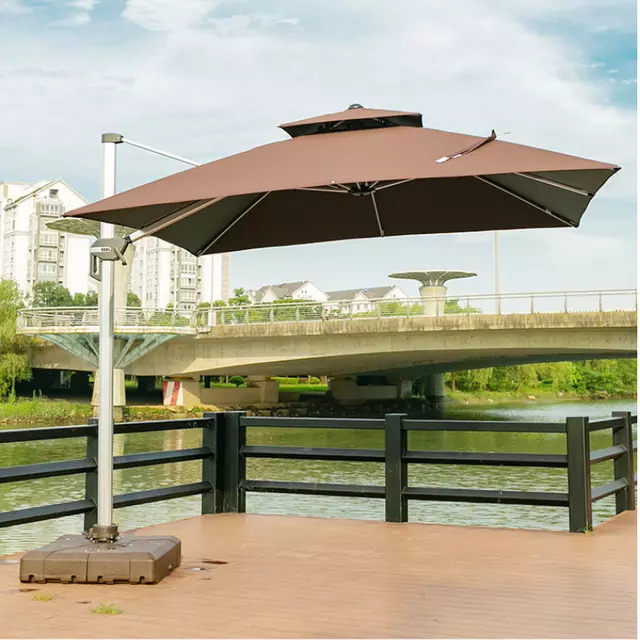
While umbrellas remain the most popular for their convenience, emerging tent canopies and hybrid shades now compete for attention. Here's why umbrellas often still win:
- Setup Time: Standard umbrellas are the quickest shade solution—set up in under two minutes.[1]
- Portability: Unlike large tents, high-quality beach umbrellas collapse to a compact form and weigh less than 10 lbs.
- UV Protection: Advanced umbrella fabrics rival or exceed those used for tents in UPF rating and durability.[14][5]
- Wind Resistance: Heavy-duty umbrellas featuring vent flaps and robust anchor systems are built for challenging conditions.[8][5]
Canopies or wing-style shades (such as Neso 1 or Sun Ninja) offer expanded group coverage and flexible corner anchoring. They're perfect for family reunions or group picnics but may require extra setup time and strategic placement for best sun blockage.[2][11][5]
Preserving your investment in a quality beach umbrella takes only minimal routine care:[15][17]
- Shake out sand and rinse with fresh water after every use, especially if exposed to salt air or moisture.
- Dry the canopy thoroughly to prevent mildew and material degradation.
- Inspect poles, joints, and anchors for stress or salt corrosion each season.
- Always store in the provided carrying case, away from moisture and direct sunlight.
For commercial and wholesale clients, ensure shipment and display instructions emphasize gentle transport and proper folding to maintain long-term value and appearance.[12][14]
Manufacturers and international buyers continuously seek beach umbrella suppliers who can provide reliable quality control, innovative design, and branding opportunities:
- Offer multiple fabric and color choices, and support high-resolution custom prints.[13][12]
- Provide detailed product certification on UV resistance, wind stability, and durability.
- Package with premium accessories—extra-wide sand anchors, ergonomic handles, padded storage bags, and assembly instructions in multiple languages.
Distributors and brands that prioritize these factors not only stand out in competitive markets but also build long-term loyalty with retailers and consumers abroad.[19][13][12]
Before purchasing (or specifying) a beach umbrella, review this checklist:
- Confirm UPF 50+ protection for all fabrics.
- Check for features like vented canopies, tilt adjustment, and sand anchoring systems.
- Evaluate material quality and durability—aluminum/fiberglass frames, double-stitched polyester, corrosion resistance.
- Consider portability—weight, folded dimensions, and included carry bag.
- Assess warranty and support options—leading brands offer multi-year or even lifetime guarantees.[9][5]
Consult expert reviews and consumer reports to gauge real-world performance, as even popular brands have models that shine in the lab but falter on windy shores.[5][6][1]
- Choose a spot away from tall dunes or crowded areas for stable, unobstructed shade.
- Insert the umbrella pole at least 16–18 inches deep into sand (using augers or sandbag anchor for best results).[1]
- Angle or tilt the canopy into the wind, not against it—this simple tip dramatically increases wind resistance.
- Adjust shade direction as needed throughout the day; midday sun requires more vertical canopy, while morning/evening sun benefits from a lower angle.
- Always supervise children and pets near anchored umbrellas.
- Discontinue use if strong winds exceed product ratings; serious gusts can uproot even the sturdiest designs.
Eco-friendly materials are gaining traction, with some manufacturers offering recycled polyester canopies and responsible manufacturing practices. Brands can highlight sustainability as a differentiating value point in promotional and OEM campaigns, responding to customer demand for responsible beach accessories.
In summation, the best beach umbrella is a seamless marriage of robust sun protection, wind-ready engineering, intuitive setup features, and fashionable design. For both end-users and international buyers, durability, comfort, and ample customization are decisive factors. High-performing umbrellas help customers safely extend their beach stays, shield families from harmful rays, and enjoy the outdoors with peace of mind.[17][12][6][5][1]
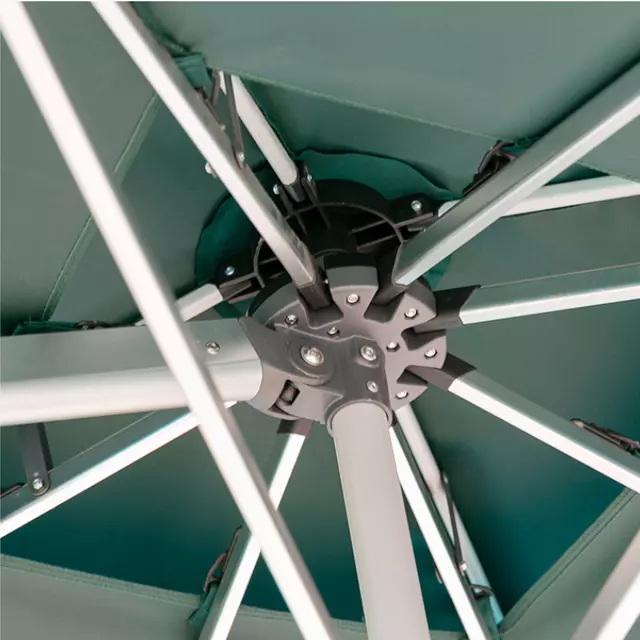
Polyester and canvas are top choices due to their strength, fade resistance, and superior UPF protection. Aluminum and fiberglass frames outperform steel by resisting corrosion and flexing, reducing the risk of snapping under wind.[17][5]
Use a deep sand anchor (auger) or sandbag-based base, position the umbrella into the wind, and consider vented canopies. Always bury the pole securely and use extra weights in challenging conditions.[8][1]
UPF 50+ is the gold standard, blocking 98% or more of UV rays and ensuring top-tier sun safety under harsh conditions.[14][5]
Yes. OEM factories offer options for custom fabric printing, logo placement, and packaging design, making it easy to tailor umbrellas for corporate promotions, events, or retail branding.[13][19][12]
Umbrellas are fast, portable, and ideal for singles or small groups. Canopies offer greater shade for larger gatherings but require a longer setup and more anchoring points. Choose based on group size, beach conditions, and your preference for portability versus coverage.[2][11][5]
[1](https://www.outerbanks.com/best-beach-umbrellas-canopies.html)
[2](https://www.nytimes.com/wirecutter/reviews/best-beach-umbrella-is-not-an-umbrella/)
[3](https://nymag.com/strategist/article/best-beach-umbrella.html)
[4](https://www.consumerreports.org/beach/best-beach-umbrellas-a5712366391/)
[5](https://gearjunkie.com/outdoor-lifestyle/best-beach-umbrellas)
[6](https://www.cnn.com/cnn-underscored/reviews/best-beach-umbrella)
[7](https://www.youtube.com/watch?v=OdxWt7cRNUk)
[8](https://handybeachgoods.com/blogs/handy-beach-goods-blog/best-beach-umbrella-for-wind-comparison)
[9](https://www.reddit.com/r/BuyItForLife/comments/192i0bk/best_beach_umbrellas_out_there/)
[10](https://www.travelandleisure.com/best-beach-umbrellas-7497881)
[11](https://solioutdoors.com/blogs/portable-sun-shades/the-benefits-of-beach-canopies-over-beach-umbrellas)
[12](https://www.umbrellafactory.cn)
[13](https://www.well-wholesale.com/wholesale-Beach+Umbrellas/)
[14](https://handybeachgoods.com/blogs/handy-beach-goods-blog/uv-protection-beach-umbrellas-what-to-look-for)
[15](https://cozyturtlerv.com/beach-umbrella/)
[16](https://www.aosom.com/blog-how-to-set-up-a-beach-umbrella-guide-for-shade-and-sun-protection.html)
[17](https://www.ammsun.com/blogs/news/how-to-choose-the-best-beach-umbrella)
[18](https://www.facebook.com/groups/beachmemes/posts/1810564739811027/)
[19](https://www.hodaumbrella.com/beach-umbrellas-wholesale/)


