
Language
Please Choose Your Language
Views: 222 Author: Amanda Publish Time: 2025-12-08 Origin: Site


Content Menu
● What Makes A Raincoat Truly “Waterproof”?
● Waterproofness Vs. Breathability In A Raincoat
● Common Raincoat Materials And Their Pros And Cons
● Raincoat Construction: 2‑Layer, 2.5‑Layer, and 3‑Layer
● Fit, Length, And Mobility Of A Raincoat
● Critical Details: Hood, Seams, Zippers, And Cuffs
● Everyday, Outdoor, And Work Raincoat Styles
>> Everyday and Urban Raincoats
>> Outdoor and Hiking Raincoats
>> Industrial and Work Raincoats
● How To Choose The Best Raincoat For Your Climate
● Practical Buying Tips For A Waterproof Raincoat
● Caring For A Waterproof Raincoat
● How OEM Manufacturing Adds Value To Raincoat Brands
● FAQ
>> 1. How waterproof should a good raincoat be?
>> 2. Why does my waterproof raincoat feel wet inside?
>> 3. Is a heavier raincoat always better than a lighter one?
>> 4. Can a raincoat be both stylish and highly waterproof?
>> 5. How often should I replace my waterproof raincoat?
The best waterproof raincoat is the one that keeps you dry in real rain, breathes well enough to stay comfortable, and fits your lifestyle, climate, and budget. A truly great raincoat is the result of the right fabric, waterproof technology, construction details, and smart design choices rather than just a famous logo or high price.
A waterproof raincoat must stop liquid water from passing through the fabric and seams under normal outdoor conditions. That means more than just a shiny surface; it requires a combination of waterproof materials, a water‑repellent outer treatment, and sealed construction where every potential entry point for water is controlled.
Most modern waterproof raincoats achieve this with a shell fabric (usually polyester or nylon) bonded to a waterproof membrane or coated on the inside with a waterproof layer. The outer face is treated with a durable water‑repellent (DWR) finish so rain forms drops and rolls off rather than soaking the fabric. The inner side is either lined or printed with a protective layer to shield the membrane from wear and body oils, which extends the life of the raincoat.
When you choose the best waterproof raincoat, you need to balance two technical properties: waterproofness and breathability. A raincoat that is extremely waterproof but does not breathe will trap sweat and condensation inside, making you feel wet from your own moisture. A raincoat that breathes very well but has poor waterproofing will leak during heavy rain.
Waterproofness is often expressed by a hydrostatic head rating measured in millimeters. A raincoat with a rating around 10,000 mm will protect you from most everyday rain, while 15,000–20,000 mm or higher is more suitable for long exposure in storms, mountain conditions, or marine environments. Breathability is typically described in grams of water vapor that can pass through a square meter of fabric over 24 hours (for example, 10,000 g/m²/24h). Higher values indicate better moisture vapor transfer, which keeps your base layers drier during activity.
Different raincoat materials are optimized for different uses. Understanding the character of each material helps you decide what “best” really means for your situation.
- Polyester with PU coating: A common choice for everyday raincoats and budget outdoor styles. It offers solid waterproofing, reasonable durability, and moderate breathability at a competitive price.
- Nylon with PU or similar coating: Generally stronger and more abrasion‑resistant than polyester at the same weight, making it popular for packable travel raincoats and hiking raincoats.
- Advanced membranes (Gore‑Tex‑type and similar): These combine a tightly controlled micro‑porous or monolithic membrane with a shell fabric and inner backer. They provide high waterproofness and high breathability, ideal for serious outdoor activities.
- PVC‑coated fabrics: Extremely waterproof and tough but with very low breathability. These raincoats shine in industrial, fishing, and construction environments where performance in heavy, continuous rain is more important than comfort at high exertion levels.
The “best” waterproof raincoat material for an office commuter in a mild climate will not be the same as the best raincoat material for a worker on an industrial site or a backpacker in alpine conditions.
Beyond the base material, the way a raincoat is constructed strongly influences its performance and weight.
- 2‑Layer raincoat: The shell fabric is bonded to a waterproof membrane or coating, and a loose hanging liner is added inside for comfort. This type is common in lifestyle and city raincoats because it feels soft and drapes nicely, though it can be slightly heavier and bulkier.
- 2.5‑Layer raincoat: A lightweight protective print or coating is applied to the inner side of the waterproof layer, eliminating the need for a full liner. This creates a very light, packable raincoat, popular for travel and day hiking. Some people feel 2.5‑layer fabrics can be a bit “sticky” on bare skin in hot weather, but they are excellent when weight matters.
- 3‑Layer raincoat: The shell, membrane, and inner backer are all bonded together to form one rugged sandwich. This structure offers high durability, strong waterproofness, and good breathability. It is usually the best choice for demanding outdoor adventures or professional use where the raincoat will face constant wear and severe weather.
When your priority is fashion and comfort, a 2‑layer raincoat may feel best. When you want maximum performance and longevity in harsh environments, a 3‑layer raincoat is usually the superior option.
A raincoat can be technically perfect on paper and still perform poorly if it fits badly. Fit affects mobility, coverage, and how well the raincoat works with your other layers.
For most users, the best raincoat fit allows:
- Space for at least one mid‑layer (like a sweater or light insulated jacket) without feeling tight.
- Enough room in the shoulders and arms to lift, reach, and bend comfortably.
- Sleeves that fully cover your wrists when arms are extended forward.
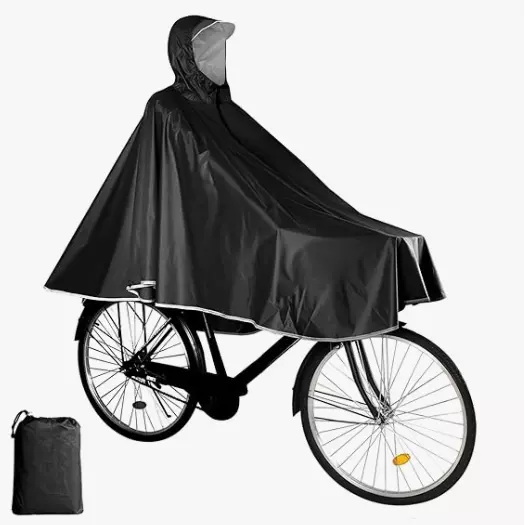
Length also matters. A hip‑length raincoat is more mobile and lighter, which is ideal for sports and hiking. A mid‑thigh or knee‑length raincoat provides better coverage for commuting, cycling in city traffic, or watching outdoor events in the rain. For industrial or marine raincoats, long coats or rain suits with bib pants are common to protect the entire lower body.
Construction details can determine whether a raincoat is truly reliable in a storm.
- Hood design: A good raincoat hood should be adjustable at least in two directions (head circumference and depth). It needs a structured brim and the ability to move with your head when you look around. Some city raincoats use detachable or stowable hoods for a cleaner style.
- Seam sealing: Every needle hole is a potential leak. High‑quality waterproof raincoats use seam tape or welded seams to block water from entering through stitching. Fully taped seams are essential for heavy‑duty raincoats.
- Zippers and storm flaps: Water‑resistant zippers reduce leakage through the front closure, and storm flaps (internal, external, or both) add extra security against wind‑driven rain. In cheaper raincoats, a strong storm flap can make up for a basic zipper.
- Cuffs and hem: Adjustable cuffs using Velcro, snaps, or elastic help seal at the wrist and prevent water from running up the arms. Drawcords or adjustable hems stop wind and spray from entering from below.
When comparing raincoats, always examine these small components. They make a big difference in real rainy, windy weather.
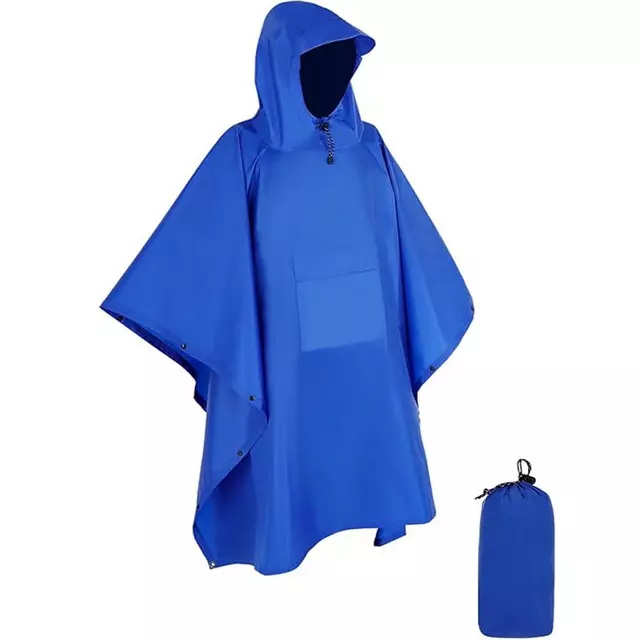
The best waterproof raincoat for you depends heavily on where and how you will use it. Three major categories help clarify the options:
Everyday raincoats focus on style, comfort, and convenience:
- Clean, simple silhouettes that work over office or casual clothes.
- Softer fabrics that drape nicely and do not make too much noise when moving.
- Practical pockets for smartphones, wallets, and travel cards.
- Colors and cuts that match city fashion trends.
For this group, the best waterproof raincoat may not have the highest technical rating, but it must look good, feel comfortable, and handle regular rain and wind.
Outdoor raincoats are designed for performance:
- Lightweight but tough fabrics to cope with abrasion from backpacks and rocks.
- High waterproof and breathability ratings, often with 2.5‑layer or 3‑layer construction.
- Technical hood designs that fit over helmets or hats.
- Extra ventilation options such as pit zips for temperature control on steep climbs.
For hikers, climbers, and travelers in challenging climates, the best raincoat is usually a 3‑layer shell with smart venting and excellent hood design.
Work raincoats favor durability and protection over light weight:
- Strong PVC‑coated or heavy PU‑coated fabrics that resist cuts and chemicals.
- Bright high‑visibility colors and reflective tapes to meet safety standards.
- Longer lengths or full suits to protect the body when kneeling, lifting, or working with machinery.
- Simple, robust closures that can be handled while wearing gloves.
In construction, roadwork, fishing, or mining, the best waterproof raincoat is the one that survives rough handling, protects the worker, and stays waterproof after long usage.
Climate plays a huge role in raincoat selection. A raincoat that feels perfect in a cool, windy coastal city may be unbearable in a hot, tropical region.
In warm and humid climates, breathability is critical. Lightweight 2.5‑layer or thin 2‑layer raincoats with generous ventilation, mesh‑lined pockets, and minimal insulation help evaporate sweat quickly. A slightly lower waterproof rating may be acceptable because short, intense showers are more common than all‑day cold storms.
In cold, wet, and windy climates, wind‑blocking ability and the option to layer underneath become more important than extreme breathability. A mid‑weight 2‑layer or 3‑layer raincoat with space for a fleece or quilted mid‑layer is ideal. Longer cuts and storm flaps also help keep cold air out.
If your climate swings between hot summers and cold winters, a versatile shell‑type raincoat without built‑in insulation can work all year by adjusting the layer system beneath it.
When you are ready to choose a raincoat, a few practical steps help you find the best option quickly:
1. Define your main use: commuting, travel, hiking, cycling, or industrial work. This will narrow your raincoat style and material.
2. Decide your priority: maximum waterproofness, maximum breathability, style, packability, durability, or price.
3. Check key specifications: waterproof rating, breathability rating (if provided), layer construction (2, 2.5, or 3‑layer).
4. Inspect details: hood adjustment, seam taping, zippers, storm flaps, cuffs, hem, and pocket placement.
5. Try on with layers: wear a sweater or mid‑layer when testing the raincoat to confirm fit and range of motion.
If you are buying online, detailed product photos, size charts, and clear descriptions of the raincoat material and construction are essential. For brands and wholesalers, providing that information helps customers understand why your raincoat is a reliable choice.
The best waterproof raincoat can lose performance if it is not cared for correctly. Dirt, oils, and detergents can damage the DWR and contaminate the membrane, causing the outer fabric to absorb water and reducing breathability.
Good care habits include:
- Regular gentle washing with a cleaner formulated for technical outerwear instead of standard detergent.
- Rinsing thoroughly to remove all soap residues.
- Re‑activating or re‑applying the DWR treatment when water no longer beads on the outer surface.
- Drying the raincoat fully before storage and avoiding long‑term compression in tight bags.
These steps keep your raincoat performing close to new for many seasons. For professionals and frequent users, maintaining raincoats properly can also reduce total replacement costs over time.
For brands, wholesalers, and manufacturers who need their own raincoat collections, working with a specialized OEM factory offers major advantages. An experienced OEM partner can help you translate your market positioning into technical specifications for your raincoat line.
Key OEM customization options include:
- Material selection: PVC, PU‑coated polyester, breathable membranes, and different layer constructions to match target customers.
- Design and pattern: length, hood shape, pocket layout, ventilation features, and fit profile (slim, regular, or relaxed).
- Branding: custom colors, lining designs, printed logos, woven labels, zipper pullers, and branded snaps or buttons.
- Function features: reflective details, removable hoods, detachable liners, and packable designs for travel raincoats.
- Packaging: individual polybags, retail boxes, hangtags, barcodes, and custom instruction leaflets.
An OEM raincoat manufacturer can also manage testing and quality control to ensure waterproof ratings and seam sealing meet the promises printed on the hangtag. This partnership lets you focus on marketing and distribution while your supplier focuses on engineering and producing the best waterproof raincoat for your target audience.
The best waterproof raincoat is not a single universal product but a carefully chosen or designed solution that matches real‑world needs. By understanding waterproof ratings, breathability, materials, construction types, and fit, you can identify the raincoat that truly keeps you dry and comfortable instead of just looking good on a tag. When details such as hood design, seam sealing, zippers, and cuffs are executed properly, a raincoat becomes a reliable shield against rain and wind, whether in the city, on a mountain trail, or on a busy worksite.
For brands, wholesalers, and manufacturers, working with a skilled OEM partner makes it possible to transform this technical knowledge into a full product line. With the right materials, features, and quality control, your raincoat collection can stand out in a competitive market and deliver consistent waterproof performance that builds customer trust and long‑term loyalty.
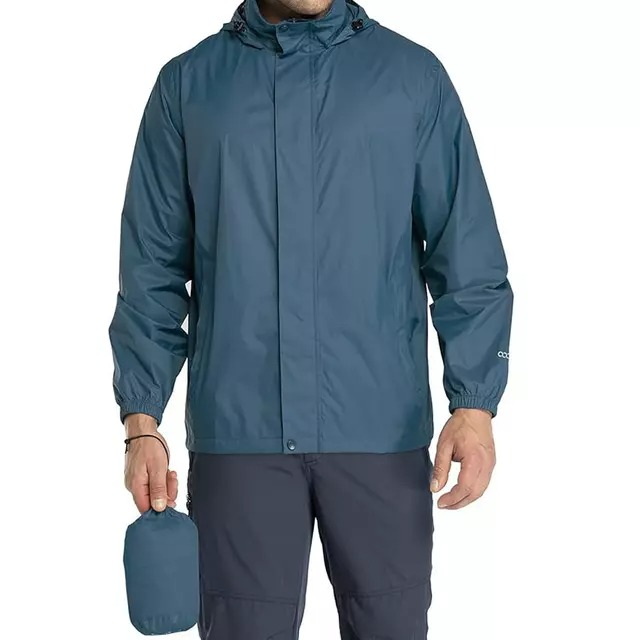
A good raincoat for everyday use should have a waterproof rating around 10,000 mm or more so it can handle steady rain and short storms without leaking. For serious outdoor adventures or long days in extreme weather, many users choose raincoats with 15,000–20,000 mm ratings or higher to ensure reliable protection.
If a waterproof raincoat feels wet inside, the usual cause is condensation or sweat, not actual leakage through the fabric. When breathability is too low or ventilation is insufficient for your activity level, moisture from your body builds up on the inner surface. Choosing a more breathable raincoat, wearing appropriate base layers, and using vents and zippers to regulate temperature can reduce this problem.
A heavier raincoat is not automatically better. Heavier fabrics can be more durable and may feel more protective, particularly for industrial or marine use, but they can also be less breathable and more tiring to wear. Lightweight technical raincoats are often the best choice for travel and hiking because they pack small, weigh little, and still provide strong waterproof protection.
Yes, modern materials and designs make it possible for a raincoat to be stylish and highly waterproof at the same time. Many brands use soft‑hand shell fabrics, minimalist seams, and clean silhouettes that look good in urban settings while still incorporating fully taped seams, DWR treatments, and technical hoods. Working with a capable OEM supplier also allows you to customize colors, cuts, and details so your raincoat fits both fashion and performance requirements.
The lifespan of a waterproof raincoat depends on how often you use it, how hard you are on the garment, and how well you maintain it. With proper cleaning and regular DWR renewal, a quality raincoat can last many years of moderate use. Signs that it is time to replace include frequent leakage along seams even after re‑treating, cracking or peeling of coatings, or severe fabric wear that cannot be repaired.


