
Language
Please Choose Your Language
Views: 222 Author: Amanda Publish Time: 2025-11-05 Origin: Site


Content Menu
● Design and Construction: Canopy and Materials
● Functional Differences: Shade, Weather, and Longevity
● Market Segments and Use Scenarios
>> Personal and Residential Use
>> Outdoor Hospitality and Event Environments
>> Brand OEM Opportunities: A Pathway for Overseas Partners
● Manufacturing Considerations for OEMs
>> Material Sourcing and Quality
>> Compliance and Safety Standards
>> Care, Maintenance, and Longevity
>> Comparative Quick Reference
● FAQ
>> 1) What is the main difference between a parasol and an umbrella in terms of intended use?
>> 2) Which materials are typically used for parasols to ensure UV protection?
>> 3) How does base design affect the stability of parasols in windy conditions?
>> 4) What customization options are commonly available for OEM parasols and umbrellas?
>> 5) What QC steps should OEM manufacturers implement before shipping?
For overseas brands, wholesalers, and manufacturers seeking reliable OEM partnerships in rain and sun protection, understanding the nuanced differences between parasols and umbrellas is essential. The goal is not merely to distinguish terminology but to uncover design priorities, materials, and customization possibilities that drive performance, brand value, and market fit. This article uses a practical, production-ready lens to explain what sets parasols apart from umbrellas, how each product category serves distinct outdoor needs, and how OEM programs can leverage these distinctions to deliver superior solutions to international customers.
Parasol concept and usage have long centered on sun protection and aesthetic ambiance. Historically associated with shade and social settings, parasols evolved to combine elegance with durable outdoor performance, particularly in hospitality, resort, and garden environments. Umbrellas originated as rain gear, with a strong emphasis on waterproof fabrics and compact, portable frames designed for everyday carry. Today, the parasol and umbrella share many mechanical similarities, yet their intended environments, durability expectations, and branding opportunities diverge significantly. For OEM manufacturers, this divergence translates into separate design ecosystems, manufacturing workflows, and go-to-market strategies tailored to sun protection versus rain protection—and often to different regional climate demands and consumer expectations.
Canopy materials form the first major differentiator. Parasol canopies are typically optimized for sun protection, with UV-stabilized fabrics, high colorfastness, and coatings designed to resist fading from extended sun exposure. These materials are engineered to maintain shade quality over long outdoor sessions, enabling hospitality spaces to stay visually consistent across seasons. Umbrella canopies prioritize waterproof performance and wind resistance. They commonly use dense, water-repellent fabrics with coatings that shed rain quickly, while maintaining flexibility to accommodate a portable, collapsible structure.
A closer look at frame systems reveals the second distinction. Parasol frames are generally more robust to support larger canopies and to resist lift in outdoor environments such as patios or open plazas. Materials may include corrosion-resistant aluminum alloys or reinforced steel for heavier-duty parasols, with ribs that balance canopy strength and wind tolerance. Umbrella frames tend toward lighter construction, often aluminum or fiberglass, designed for easy transport, compact storage, and rapid deployment. For OEM programs, frame choice affects not only performance but also shipping, assembly time, and consumer ergonomics.
Shafts, handles, and bases complete the core construction picture. Parasol shafts are longer to accommodate stable bases and wide canopy coverage, supporting semi-permanent or permanent outdoor installations. Fixed or semi-fixed base options—such as plaza stands or embedded anchors—are common in hospitality environments. Umbrella shafts are shorter and optimized for handheld use or portable bases, with ergonomics and compactness prioritized for on-the-go consumers. Bases for parasols emphasize ballast and stability, while umbrella bases emphasize portability and adaptability to changing locations.
Shade and weather protection define the functional split. Parasol designs focus on shade quality and UV protection over larger surface areas to create comfortable outdoor rooms and social spaces. Umbrellas are designed to shield against rain and, in many cases, drizzle and light showers, with a primary emphasis on waterproof performance and quick drying fabrics. Material choices and canopy geometry influence heat reflection, cooling effects, and perceived comfort in outdoor settings, making parasols well-suited for outdoor dining areas and sun-drenched venues, while umbrellas suit urban commuting, travel, and personal protection in wet weather.
Portability and use scenarios shape market dynamics. Parasol installations are often semi-permanent in hospitality spaces, resorts, or city plazas, with aesthetics and branding playing a strong role. Umbrellas are portable, convenient for individuals and small groups, or for temporary coverage at markets and events. For OEM programs, this means varied production runs, packaging configurations, and service commitments to satisfy both long-term installations and high-turnover consumer markets.
Wind and stability considerations are critical. Parasol performance in wind is enhanced by heavy bases, robust mounting options, and canopy venting in larger models to reduce lift. Umbrella performance depends on frame strength and secure locking mechanisms, but extreme wind conditions can still compromise structure. OEM suppliers can differentiate offerings by providing wind-rated parasols for coastal or windy regions and lightweight, compact umbrellas for urban environments, along with testing data and certifications.
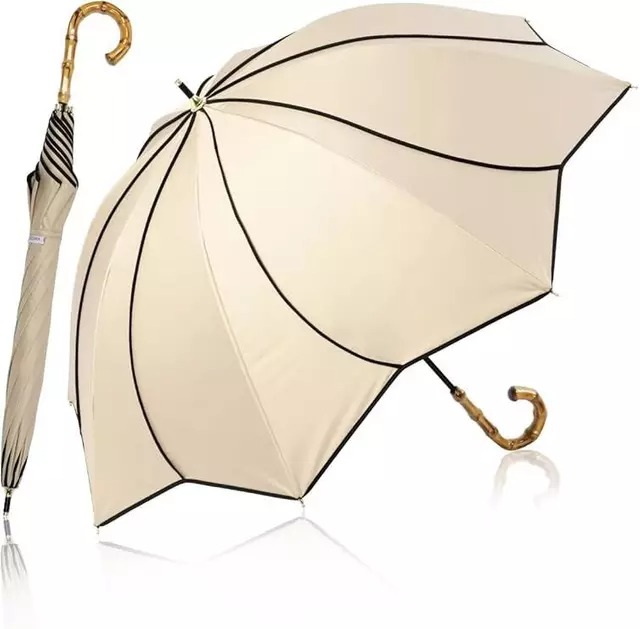
Parasol aesthetics and size suit residential patios, backyards, and poolside lounges where brand storytelling and outdoor ambience are paramount. Custom canopy colors, logo placements, and durable fabrics help elevate a brand's outdoor living narrative. Umbrellas cater to individuals seeking portable shade and rain protection, with compact sizes, travel-friendly features, and fashion-forward designs. OEM opportunities include creating authenticated brand experiences through coordinated colorways, branded canopies, and durable materials that withstand frequent handling.
Parasol installations can become signature architectural features in hotels, resorts, and restaurant courtyards. They offer scalable branding opportunities, from canopy patterns to frame finishes, with heavy bases and modular base systems enabling flexible deployment. Umbrellas provide mobile shading options for events, pop-up venues, and street markets, where rapid setup, easy transport, and versatile branding surfaces are critical. OEM collaborations here emphasize rapid prototyping, scalable production, and a mix of fixed versus portable bases to meet seasonal or venue-specific needs.
A strong OEM program emphasizes design collaboration, quality assurance, and reliable supply chains. Offering a spectrum of customization—from canopy artwork and logos to frame finishes and base configurations—empowers brands to deliver outdoor shading solutions aligned with regional aesthetics and functional requirements. Certifications, material traceability, and adherence to safety standards enhance buyer confidence, while flexible MOQs and transparent lead times improve vendor relationships with large hospitality groups and boutique retailers alike.
Establish relationships with suppliers offering UV-stable fabrics, water-repellent coatings, corrosion-resistant frames, and durable bases. For premium parasols, prioritize fabrics with high UPF ratings and long-lasting colorfastness. For umbrellas, emphasize waterproof performance, seam integrity, and fast-drying properties. Consistent material quality underpins warranty performance and customer satisfaction across markets.
Both parasols and umbrellas must meet regulatory requirements for fabrics, mechanical strength, and safety features. Documentation, third-party test results, and compliance certificates are critical assets in the sales process, especially when engaging with international buyers who demand traceability and verifiable quality.
Branding, colorways, canopy artwork, rib finishes, shaft materials, and base configurations are standard customization vectors. Some clients request premium finishes (e.g., wood-grain handles, brushed metal frames), or unique textures and patterns. Offerings such as quick-turn sampling, scalable production, and varied packaging solutions support different distribution channels—from high-end hospitality to mass-market retailers.
Educating customers on proper storage, cleaning, and maintenance is essential for maximizing life span. Provide care guides detailing seasonal checks, base stability maintenance, and availability of replacement parts. Quality follows through maintenance; OEMs can reinforce brand value by offering robust after-sales support and readily accessible spare components.
- Parasol: Large canopy, sun-focused shade, heavy bases, semi-permanent installations, UV-protective fabrics, robust frame options.
- Umbrella: Portable, rain-focused protection, lightweight frames, compact packaging, travel-friendly bases, consumer-oriented styling.
- OEM considerations: Material quality, safety compliance, customization depth, lead times, MOQs, and after-sales support shape customer choices and long-term partnerships.
Parasol and umbrella occupy complementary roles in outdoor shade and weather protection. For overseas brands and OEM partnerships, parasols offer opportunities in hospitality, resort, and architectural contexts where durable, visually striking sun shading integrates with branding. Umbrellas address mobile, consumer-focused needs, emphasizing portability, quick turnaround, and fashion-forward design. A strategic OEM program that clearly distinguishes parasols from umbrellas, while offering flexible customization, wind-rated options, and robust supply chains, can deliver compelling outdoor-shading solutions across diverse markets.
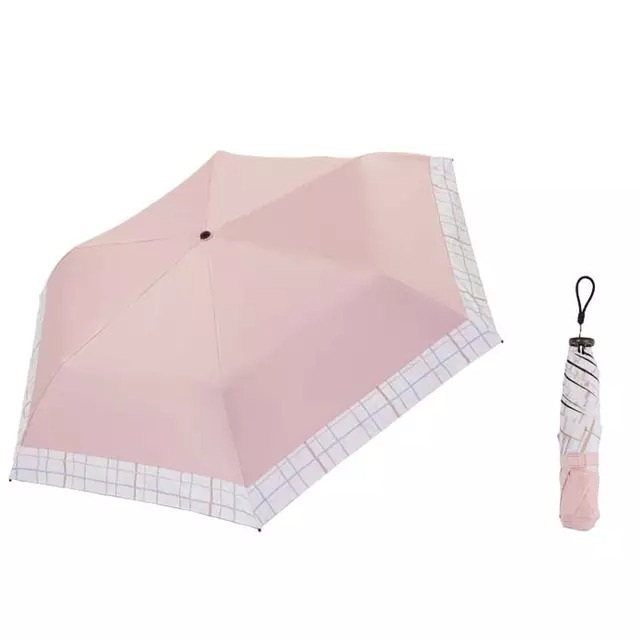
A parasol is designed primarily for sun shading and UV protection, while an umbrella is intended for rain protection and weatherproofing.
Parasol canopies commonly use UV-stabilized fabrics (such as UV-treated polyester or acrylic-coated materials) designed to block ultraviolet rays and resist fading.
Wind stability relies on heavy, well-anchored bases or fixed mounting options; parasols often use substantial ballast or plaza-style bases to prevent tipping and lift.
Common OEM options include canopy color and pattern, logo printing, frame finish, shaft material, base type, and packaging customization, plus timing for samples and production runs.
Key QC steps include fabric and coating inspection, frame and mechanism testing, wind/load simulations for parasols, waterproof testing for umbrellas, and documentation of safety certifications and material certificates.
[1](https://www.cnleisuregoods.com/what-the-difference-between-a-parasol-and-umbrella.html)
[2](https://www.chardina.com/Understand-the-Difference-Between-Umbrella-and-Parasol-Before-Making-Any-Purchase-id41232487.html)
[3](https://insights.made-in-china.com/Umbrellas-Vs-Parasols-Selection-Guide-Differences-and-Best-Use-Cases-for-Weather-Protection_XApaLDKvhEHO.html)
[4](https://hauserspatio.com/blog/unique-and-exciting-differences-of-parasol-vs-umbrella-exposed/)
[5](https://www.cnleisuregoods.com/news/umbrella-vs-parasol-comparison.html)
[6](https://www.madeumbrella.com/news/view_538.html)
[7](https://www.hodaumbrella.com/news/sun-umbrella-vs-normal-umbrella-key-differences-you-should-know/)


