
Language
Please Choose Your Language
Views: 222 Author: Amanda Publish Time: 2025-11-19 Origin: Site


Content Menu
>> Limitations
● Nylon
>> Limitations
>> Limitations
● Polyurethane (PU) Coated Fabrics
>> Limitations
● EVA (Ethylene Vinyl Acetate)
>> Limitations
● Gore-Tex and Technical Fabrics
>> Limitations
● Additional Raincoat Materials
>> Waxed Cotton
● How to Choose the Best Raincoat Material
● FAQ
>> 1. What is the most waterproof raincoat material?
>> 2. Are nylon raincoats truly waterproof?
>> 3. How do I maintain my Gore-Tex raincoat?
>> 4. Can raincoats made from polyester withstand heavy rain?
>> 5. Are EVA raincoats safe for children?
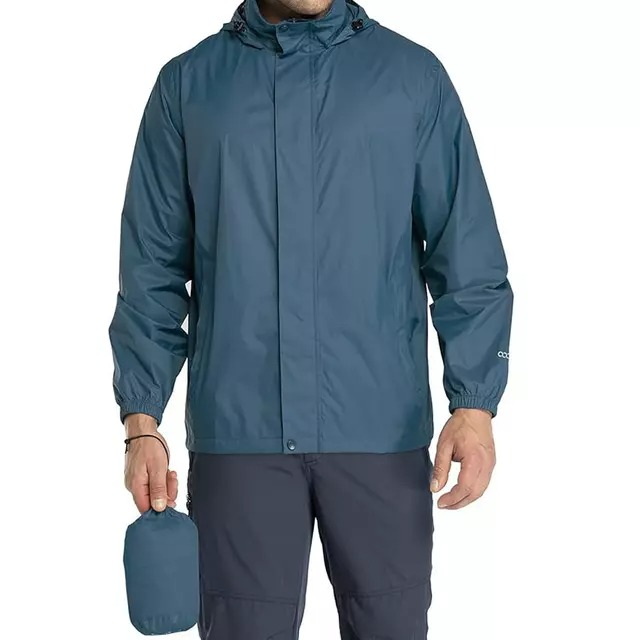
Raincoats are essential garments designed to shield wearers from rain and wet weather. With a wide range of activities, climates, and personal preferences dictating their use, raincoats come in various materials, each with unique features impacting waterproofing, comfort, durability, and breathability. This article provides a comprehensive guide to the materials raincoats are made of, helping consumers and manufacturers alike understand the strengths and ideal applications of each fabric.
PVC is one of the oldest and most recognizable materials for raincoats. It is a synthetic plastic polymer known for its exceptional waterproof qualities. The plasticized form of PVC offers an impermeable barrier to water, making raincoats made from PVC completely waterproof.
- Complete Waterproofing: PVC raincoats are wholly impermeable, preventing any water from passing through the fabric.
- Durability: The tough, glossy surface resists tears and scrapes, making PVC coats ideal for demanding environments.
- Affordable: PVC is inexpensive and easy to produce, offering a budget-friendly waterproof solution.
- Maintenance: PVC rainwear can be wiped clean easily, resisting stains and dirt buildup.
While PVC provides excellent water protection, it lacks breathability. As it traps moisture and heat inside, wearing a PVC raincoat for prolonged periods can become uncomfortable, especially in warm conditions.
PVC raincoats are widely used in heavy rain conditions, industrial settings, construction sites, fishing, and any environment where maximum waterproofing is prioritized over breathability.
Nylon is a synthetic polyamide fabric prized for its lightweight construction and excellent strength-to-weight ratio. It became popular in rainwear due to its flexibility and ability to be coated for water resistance.
- Lightweight and Packable: Nylon raincoats are easy to fold and carry, making them travel-friendly.
- Water-Resistant Coatings: Though not inherently waterproof, nylon is frequently treated with polyurethane (PU) or other coatings to enhance water resistance.
- Breathability: Compared to PVC, nylon raincoats allow better airflow, improving comfort.
- Durability: Nylon is resistant to abrasions and tears, suitable for active wear.
Nylon-only raincoats, without coatings or laminates, are not truly waterproof but water-resistant. Over time, coatings can wear off, diminishing protection unless re-treated.
Nylon raincoats fit well for casual daily wear, light outdoor activities, commuting, and travel where lightweight, flexible protection is important.
Polyester is a versatile synthetic fabric frequently used in raincoat production. It combines water resistance with durability and shape retention.
- Quick-Drying: Polyester fabrics dry faster than many other materials.
- Wrinkle-Resistant: Maintains a crisp appearance after folding or packing.
- Water-Resistant Treatments: Often coated or laminated for enhanced rain protection.
- Cost-Effective: Provides a good balance of performance and affordability.
Like nylon, polyester itself isn't waterproof unless treated. Coatings may degrade over time, requiring maintenance for sustained waterproofing.
Polyester raincoats are suitable for urban wear, travel, and mild outdoor conditions. Their resistance to wrinkles and quick drying makes them popular for everyday use.
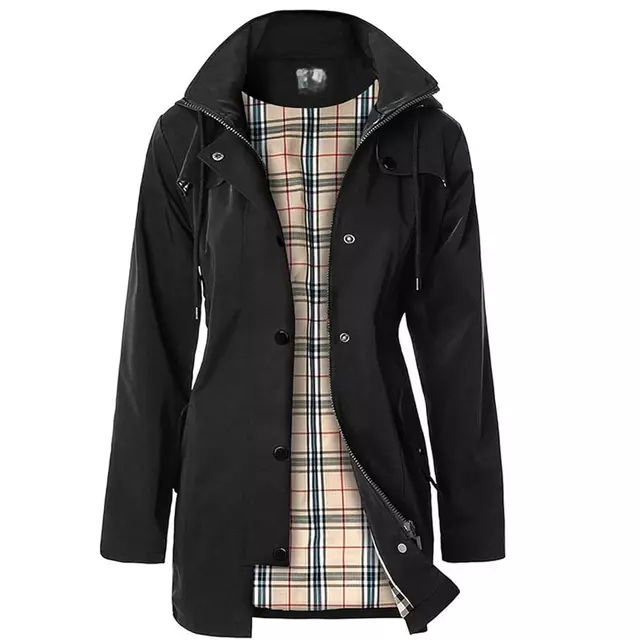
PU-coated fabrics have become a common choice for raincoats due to their balance of waterproofing and comfort.
- Waterproofing: PU coatings provide a protective barrier against rain.
- Softness and Flexibility: PU-coated fabrics feel softer and more comfortable than plastics like PVC.
- Lightweight: These fabrics promote mobility without bulk.
- Breathability: While not as breathable as technical fabrics, PU coatings still offer reasonable airflow.
PU coatings are generally less durable than laminates like Gore-Tex and may wear with intensive outdoor use or repeated washing.
PU-coated raincoats are excellent for casual and short-term outdoor activities requiring moderate water protection with comfort.
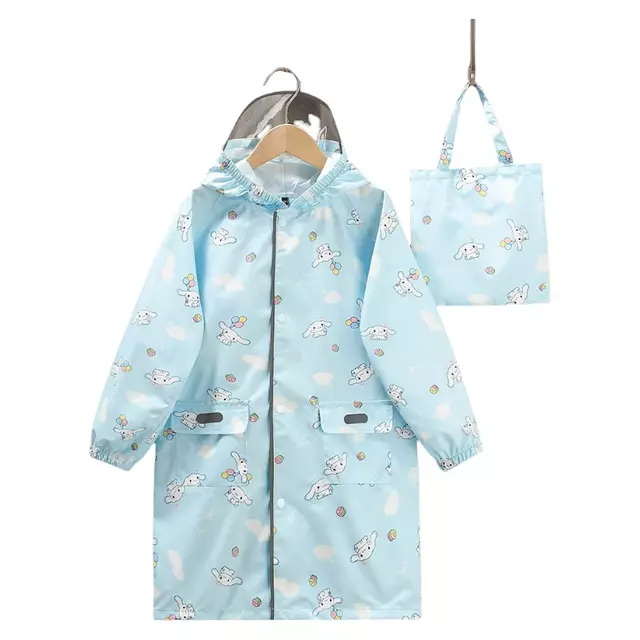
EVA is an eco-friendly, lightweight material gaining popularity for children's raincoats and environmentally-conscious product lines.
- Non-Toxic and Biodegradable: Free from harmful phthalates, making it safer for regular use.
- Flexible and Lightweight: Comfortable for extended wear.
- Waterproof: Offers reliable protection against rain.
EVA rainwear is generally less rugged than industrial plastics and more common in limited usage scenarios such as kids' wear.
EVA raincoats are well-suited for children's rainwear and users seeking sustainable alternatives.
Gore-Tex is a premier waterproof fabric known for marrying top-tier waterproof protection with breathability.
- Waterproof and Breathable: Uses a membrane technology that blocks water droplets but allows body moisture to escape.
- Durable: Designed for extended outdoor use.
- Advanced Construction: Often paired with taped seams for additional waterproofing.
Gore-Tex raincoats tend to be more expensive and require special care to maintain performance.
Perfect for hiking, trekking, and outdoor sports where waterproofing and breathability are both critical.
Waxed cotton raincoats blend traditional style with water resistance. The fabric is cotton treated with wax for a weatherproof finish, popular in heritage and country-style rainwear.
Raincoats sometimes use blended fabric technologies, combining fibers like polyester with rubber or polyurethane layers for improved waterproofing and comfort.
When selecting a raincoat, consider:
- Climate and Rain Intensity: Heavy rain demands fully waterproof materials like PVC or Gore-Tex; light rain suits nylon or polyester.
- Activity Level: High activity needs breathable, flexible fabrics like Gore-Tex or PU-coated nylon.
- Comfort and Weight: Lightweight fabrics like nylon and EVA allow easier movement and packing.
- Budget: PVC and nylon coats can be affordable, while Gore-Tex and technical fabrics are premium.
- Environmental Concerns: EVA and other eco-friendly materials appeal to sustainability-minded buyers.
Proper maintenance prolongs raincoat life:
- Clean PVC with a damp cloth; avoid machine washing.
- Machine wash nylon and polyester on gentle cycles per label instructions.
- Use specialized detergents for Gore-Tex to preserve waterproofing.
- Avoid fabric softeners and excessive heat drying on coated fabrics.
Raincoats are crafted from a variety of materials tailored to protect against rain while balancing comfort, durability, and style. PVC provides unmatched waterproofing ideal for heavy use but lacks breathability. Nylon and polyester offer lightweight and versatile options suited for everyday wear. PU-coated fabrics deliver a combination of comfort and water resistance, while technical fabrics like Gore-Tex excel in performance demanding environments with breathable waterproofing. Knowing these material properties helps consumers find a raincoat that suits their unique needs and environment. Proper choice and care of raincoat materials guarantee lasting protection and comfort in all types of rainy weather.
PVC and Gore-Tex offer the best waterproof protection. PVC is fully waterproof but less breathable, while Gore-Tex adds breathability without sacrificing waterproofing.
Nylon itself is not waterproof but is often coated or laminated with waterproof finishes making it water-resistant and suitable for rainwear.
Use specialized detergents meant for waterproof garments; avoid fabric softeners and machine drying to preserve its breathable membrane.
Polyester with proper waterproof coatings can handle moderate rainfall but may not be suitable for prolonged heavy rain without additional treatments.
Yes, EVA is non-toxic and biodegradable, making it a safe and eco-friendly material choice for children's rainwear.
[1](https://wearce.com/5-best-raincoat-materials/)
[2](https://www.jxd-nj.com/blogs/The-Ultimate-Guide-to-Raincoat-Materials.html)
[3](https://fieldingandnicholson.com/the-ultimate-raincoat-buying-guide-stay-dry-in-any-weather/)
[4](https://tissura.com/articles/raincoat-fabrics)
[5](https://lntsufin.com/blog/a-complete-guide-to-types-of-raincoats/)
[6](https://www.kuiu.com/pages/raingear-comparison)
[7](https://www.rei.com/learn/expert-advice/rainwear.html)
[8](https://www.stormlinegear.com/ultimate-guide-construction-rain-gear/)
[9](https://maake.com/blogs/upholstery/waterproof-fabric-complete-guide)
[10](https://greatlakesworkwear.com/blogs/gear-guides/differences-in-waterproof-jackets-all-you-need-to)


