
Language
Please Choose Your Language
Views: 222 Author: Amanda Publish Time: 2025-11-08 Origin: Site


Content Menu
>> PU and Polyurethane-Coated Fabrics
>> Nylon and Polyester with Water-Repellent Treatments
>> Gore-Tex and Advanced Membranes
>> Rubberized and Specialty Surfaces
● Coatings, Laminates, and Finishes
>> Coatings
>> Finishes
>> Waterproofness and Breathability
>> Durability and Abrasion Resistance
>> Sustainability and End-of-Life
● Market Segments and Material Strategies
>> Budget and Promotional Rainwear
● Design Considerations for OEM Partnerships
>> Material as Brand Differentiator
>> Sourcing Consistency and Supply Risk
● Manufacturing Guidance for OEMs
>> Quality Assurance and Testing
>> Sustainability and Certification
● Case Examples and Strategic Takeaways
>> PVC Promotional Rainwear Case
>> PU-Coated Nylon for Everyday Urban Wear
>> Gore-Tex Outdoor Performance
● FAQ
>> 1. What material is best for a raincoat intended for heavy rain and frequent wear?
>> 2. Are PVC raincoats still a good option for branded campaigns?
>> 3. How does PU coating compare to PVC in raincoat performance?
>> 4. Can nylon raincoats be fully waterproof?
>> 5. What should brands consider for sustainable raincoat materials?
Raincoats have evolved into a spectrum of fabrics, coatings, and membranes designed to balance waterproofing, breathability, durability, and comfort. For OEM partnerships with foreign brands, wholesalers, and manufacturers, material selection is a strategic lever that shapes performance, cost, supply resilience, and brand storytelling. This article delves into the principal material families used in raincoat production, how coatings and laminates impact performance, the influence of design and QA on end-use outcomes, and practical guidance for manufacturers seeking scalable, quality-driven solutions.
PVC and vinyl-based fabrics have long served as the backbone of budget-friendly rainwear. Their intrinsic waterproofness, ease of processing, and ability to hold bold colors and decals make them ideal for promotional raincoats and entry-priced lines.
- Key traits: excellent barrier against water, versatile finishes (glossy to matte), high color saturation, cost efficiency at scale.
- Trade-offs: limited breathability, potential stiffness in certain finishes, environmental considerations around production and disposal.
- OEM implications: reliable mass production, easy branding application (inks, patches, heat transfers), and quick turnaround for campaigns.
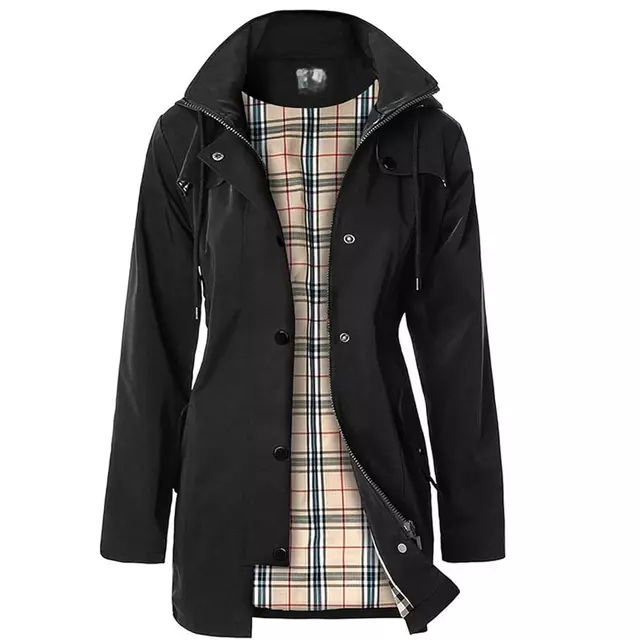
PU coatings on polyester or nylon substrates yield a practical middle ground between PVC and high-performance membranes. They offer waterproofing with improved flexibility and comfort, making them common for city wear and fashion-oriented raincoats.
- Key traits: good water resistance, balanced breathability, softer hand feel than PVC, lighter weight.
- Trade-offs: durability depends on coat weight and substrate; some finishes may require more careful care.
- OEM implications: flexible satin or matte finishes, compatible with various seam technologies, conducive to branded inner linings and details.
Nylon and polyester shells treated with DWR or PU laminates provide breathable waterproofing suitable for daily wear, travel rainwear, and lightweight outer shells.
- Key traits: lightweight, quick-drying, strong color retention, broad fabric availability.
- Trade-offs: untreated fabrics can wet out quickly; coating wear can reduce performance over time.
- OEM implications: ideal for packable designs; supports a wide range of branding placements on sleeves, chest, or back panels.
High-performance membranes such as Gore-Tex (and comparable brands) deliver proven waterproofing with reliable breathability, well-suited to premium outdoor and technical rainwear.
- Key traits: durable waterproof barrier, excellent vapor permeability, long-term performance under strenuous conditions.
- Trade-offs: higher material and production costs, more complex supply chains, potential need for specialized lamination equipment.
- OEM implications: enables premier branding narratives around performance; supports laminated constructions and precision seam work.
Some niche raincoats employ rubberized fabrics or natural/rubber laminates to achieve distinctive textures and waterproofing.
- Key traits: strong waterproofing, distinctive aesthetic, long-standing heritage appeal.
- Trade-offs: heavier weight, reduced breathability, potential comfort concerns in warm climates.
- OEM implications: suitable for heritage-inspired lines or fashion-driven limited editions where texture and motif drive demand.
- DWR (Durable Water Repellent) coatings are widely used to promote water beading and surface runoff, helping maintain a dry interior in light to moderate rain.
- PU coatings add a waterproofing layer while preserving flexibility and some degree of breathability.
- Lamination with microporous or monolithic membranes enhances breathability without sacrificing waterproofness. The choice of membrane influences MVTR (moisture vapor transmission rate) and overall comfort during wear.
- Seam treatment becomes critical with laminated fabrics; taped or welded seams are common to maintain integrity.
- Surface aesthetics (gloss vs. matte), texture, and frictional properties affect wear comfort and layering compatibility. Finishes also influence colorfastness and branding printability.
- Waterproof ratings and MVTR are essential metrics. For OEM programs targeting urban commuters, a balance such as a PU-coated shell with a breathable membrane offers practical comfort and reliability.
- Outer shells must resist abrasion from backpacks, seat movement, and urban surfaces. Fabric weight and weave quality contribute to longevity.
- Travel-focused lines often prioritize lightness and compressibility. Material choice, weave density, and lamination weight determine pack size and surface stiffness.
- Flexibility, seam design, and cut affect mobility and layering options, critical for consumer satisfaction across climates.
- Care instructions influence long-term performance. Some coatings degrade with improper washing, so clear consumer guidance is vital.
- Brands increasingly seek materials with recycled content, recyclability prospects, and lower environmental footprints of coatings and membranes.
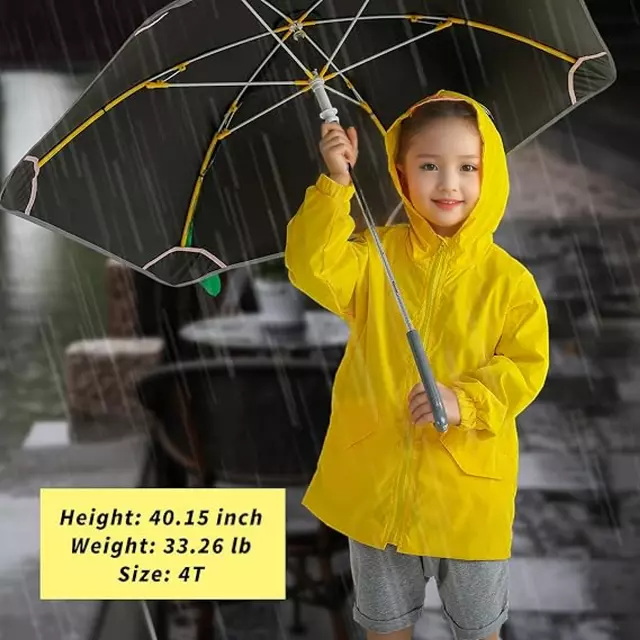
- PVC-based raincoats enable high-impact branding with vibrant colors and clear branding opportunities, making them a staple for promotional campaigns.
- PU-coated fabrics provide everyday comfort with adequate waterproofing for city living, often paired with practical details like adjustable hems and reflective trims.
- Membrane-based solutions (e.g., Gore-Tex) satisfy performance requirements for outdoor activities, enabling retailers to position products as premium performance gear.
- Designers may experiment with glossy PVC, matte laminates, or tactile textures to create stand-out pieces aligned with seasonal campaigns.
- Material selection communicates performance, sustainability, and consumer experience. Consider aligning colorfastness, surface texture, and branding compatibility with the target market.
- Establish color standardization, defect tolerances, and supplier commitments to minimize production disruptions and ensure batch-to-batch consistency.
- Materials should meet regional safety and chemical compliance standards, including colorfastness, pilling resistance, and restricted substance requirements.
- OEM arrangements often include custom coatings, colorways, and branded placements (logos, patches, prints) to maximize market impact.
- Begin with market and climate profiling, then map to material families that meet waterproofing, breathability, and care requirements. Align with brand promises and long-term durability goals.
- Implement standardized testing for waterproof seal integrity, seam strength and abrasion, colorfastness, and dimensional stability. Document QA results for each batch to support brand claims and warranties.
- Seam strategies (taped vs welded), zipper quality, and hardware robustness influence user experience. Finishing steps (heat sealing, edge binding) contribute to durability and aesthetics.
- Pursue supplier certifications and material traceability to support sustainability claims and regulatory compliance. Consider introducing recycled-content options and end-of-life recovery programs where feasible.
- Scenario: Large-brand campaign requiring vivid branding, fast production, and cost efficiency.
- Material choice: PVC with integrated branding patches and colorways.
- Takeaway: High visibility and fast turnover with cost-effective production, suitable for high-volume campaigns.
- Scenario: City brand seeking daily usability with balanced protection and comfort.
- Material choice: PU-coated nylon with a breathable laminate in strategic areas.
- Takeaway: Solid everyday rainwear offering comfort, durability, and branding flexibility.
- Scenario: Premium outdoor line prioritizing waterproofing and breathability.
- Material choice: Gore-Tex membrane laminated to a rugged outer shell with sealed seams.
- Takeaway: Superior performance enabling premium branding narratives, at higher price points.
Material selection for raincoats in OEM partnerships is a strategic, multi-criteria decision. By carefully balancing waterproofing, breathability, durability, weight, care requirements, branding opportunities, and sustainability, manufacturers can deliver rainwear that convincingly meets brand promises and consumer expectations. A robust combination of PVC, PU-coated fabrics, coated nylon/polyester shells, and high-performance membranes allows OEMs to tailor products to budget tiers, climate zones, and market positioning, while maintaining scalable production and reliable supply.
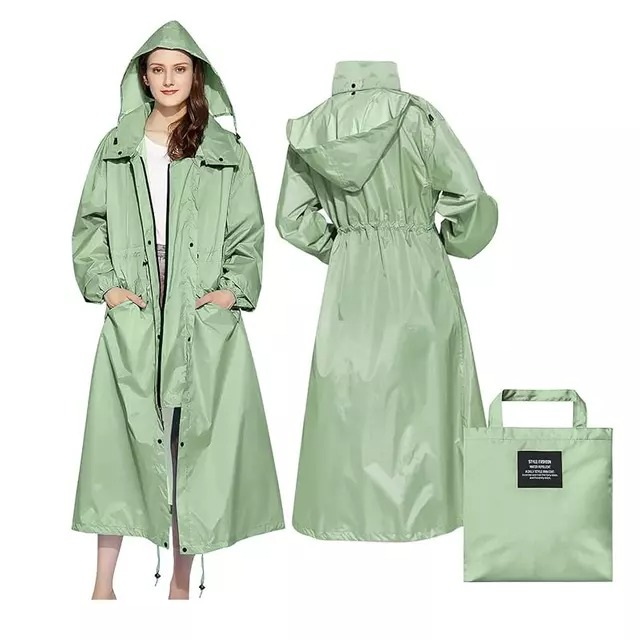
- Gore-Tex or other advanced breathable membranes laminated to a sturdy outer shell are preferred for heavy rain and high-frequency use, delivering durable waterproofing and comfort.[11]
- Yes, PVC raincoats provide strong waterproofing, bright color options, and cost-effective mass production, making them suitable for promotional branding.[12]
- PU-coated fabrics offer a balanced mix of water resistance and breathability with lighter weight and better comfort than pure PVC, while maintaining reasonable durability.[11]
- Nylon can be fully waterproof when coated or laminated with waterproof membranes; untreated nylon is not inherently waterproof.[13]
- Brands should evaluate recyclability, recycled-content options, chemical safety, end-of-life pathways, and the environmental footprint of coatings and membranes.[11]
[1](https://vishimex.com/the-process-of-manufacturing-raincoats-from-waterproof-fabric-to-finished-product/)
[2](https://www.linkedin.com/pulse/production-process-raincoats-hollee-raincoat-rain-wear-rain-boots)
[3](http://www.kviconline.gov.in/pmegp/pmegpweb/docs/commonprojectprofile/PlasticRaincoats.pdf)
[4](https://www.safetyhub.co.ke/raincoats-manufacturing-types-and-uses/)
[5](https://www.oasisjackets.com/important-steps-for-manufacturing-rain-jackets-that-you-did-not-know/)
[6](https://deepwear.info/blog/expanding-into-rainwear-heres-what-you-need-to-know/)
[7](https://brydenapparel.com/mastering-coat-manufacturing-your-complete-guide/)
[8](https://insights.made-in-china.com/Comprehensive-Guide-to-Polyester-Raincoat-Quality-and-Sourcing-Ensuring-Durability-and-Customer-Satisfaction_dtDGUiNzYmIe.html)
[9](https://topriserainwear.com/ru/the-definitive-guide-to-full-body-raincoat-cost-materials-top-2/)
[10](https://truekung.com/complete-guide-to-coat-manufacturing-key-steps-to-creating-high-quality-coats/)
[11](https://wearce.com/5-best-raincoat-materials/)
[12](https://www.anbusafety.com/raincoat-fabric/)
[13](https://mfdesignn.com/en/what-fabric-is-suitable-for-a-raincoat/)


