
Language
Please Choose Your Language
Views: 222 Author: Amanda Publish Time: 2025-11-05 Origin: Site


Content Menu
● Key Factors When Choosing a Wedding Parasol Size
● Standard Parasol Sizes and Their Applications
● Where Size Meets Space: Practical Configurations
● Outdoor Considerations: Wind, Fabric, and UV
● Number of Parasol Units per Venue
● Practical OEM Considerations: Customization and Logistics
● Photography and Production Best Practices
● FAQ
>> 1. What size parasol is best for a 6-person table at a wedding?
>> 2. How many parasols are needed for a ceremonial aisle?
>> 3. Can oversized parasols withstand windy outdoor conditions?
>> 4. What fabric and frame materials maximize durability for outdoor weddings?
>> 5. How should a brand handle OEM customization for wedding parasols (colors, logos, packaging)?
Selecting the right size parasol for a wedding is more than a stylistic flourish; it defines guest comfort, shade quality, photographer's storytelling, and the perceived reliability of an OEM partner. For overseas brand owners, wholesalers, and manufacturers seeking to showcase a robust parasol program, a well-structured size guide translates into credible proposals, practical product configurations, and a clear path from order to delivery. The following guidance blends practical sizing, environmental considerations, and branding opportunities, helping you tailor parasols that elevate wedding aesthetics while meeting varying venue constraints. This comprehensive exploration centers on parasolas a core product and considers how different sizes support diverse ceremony layouts, reception setups, and photogenic moments.
The perfect parasol size is a function of several interacting factors. First, guest count and seating arrangement determine how many shade sources are needed and how much canopy coverage is required per person. Second, the ceremonial setting—whether an outdoor aisle, altar area, garden ceremony, or reception lawn—drives canopy geometry, placement density, and visual rhythm. Third, wind exposure and fabric durability influence whether a larger canopy provides practical shade or creates wind-catching risk. Finally, branding and theme alignment shape the aesthetics of color, trim, logo placement, and overall presentation.
Parasol canopies come in a spectrum of sizes, each with typical applications at weddings:
- 32-inch parasol (approximately 80 cm). This compact size is ideal for intimate settings, individual guest comfort under shady corners, or decorative accents along pathways. It is easy to transport, quick to deploy, and blends with delicate décor details such as lace or pastel florals. For OEM programs, this size supports bridesmaid photos, tea ceremonies, or small ceremony nooks.
- 42-inch parasol (approximately 107 cm). A step up in coverage, the 42-inch parasol suits 4-6 person tables or larger entertaining zones where a single shade source covers a central area. It also serves well at entry arches and photo backdrops, offering a stronger visual presence without overwhelming the scene. In an OEM context, mass production of this size enables standardized stock for mid-sized weddings and consistent branding across venues.
- 60-72 inch parasol (approximately 152-183 cm). Oversized parasols deliver dramatic visual impact in group portraits, aisleways with multiple participants, and shade for larger ceremony spaces. They are excellent focal points for branding in photos and can support coordinated lighting plans for outdoor ceremonies. For manufacturers, these larger sizes require careful base solutions and wind-resilient design considerations but can command premium pricing and high brand visibility.
- Freestanding multi-parasol arrays. For expansive outdoor spaces or staged photo tours, clusters of 3-6 parasols at varying heights create a parabolic canopy effect, offering shade continuity and a signature branding canvas. This approach aligns well with OEM offerings that include accessory kits, custom canopies, and modular bases.
- Small, intimate ceremonies (2-4 guests per table). A 32- to 42-inch parasol provides comfortable shade without overpowering the table; it also keeps lines clean for close-up photography. For branding, consider subtle logo embroidery or trim piping that remains elegant under close inspection.
- Mid-sized receptions and formal dinners (4-8+ guests per table). A 42-inch canopy can cover the central region of a round or long table, ensuring everyone enjoys shade while preserving sightlines for speeches and toasts. Coordinated color schemes and theme-specific fabrics reinforce the wedding's aesthetic while supporting OEM branding goals.
- Large-scale ceremonies and photo zones (multiple tables and open lawn areas). Here, 60-72 inch parasols create a strong visual anchor and enable striking group silhouettes in photos. Ensure wind stabilization through reinforced ribs, sturdy bases, and high-quality fabrics to maintain shape and color integrity.
Outdoor weddings demand attention to environmental realities. Wind is the primary variable that challenges parasol performance. Selecting parasols with reinforced ribs, rust-resistant ferrules, and wind-vented canopies reduces risk of inversion or damage. Fabric choices—polyester, acrylic, or canvas blends—affect UV protection, colorfastness, and longevity. UV protection is especially relevant for daytime ceremonies, contributing to guest comfort and the parasol's visual fidelity in photographs. For OEM partnerships, offering a range of fabrics with consistent colorfastness and color-matching options enhances brand reliability and client satisfaction.
- Umbrella density planning is venue-specific. For ceremonial aisles, density often ranges from 2-4 units per row, with spacing tuned to aisle width and photographer's focal length. For reception arrangements, 1-2 parasols per 4-6 guests typically achieve comfortable shading without creating visual clutter. OEM programs can offer modular packages that scale easily with guest counts and space requirements.
- A practical rule for planning: calculate canopy coverage per parasol, then multiply by the number of target shaded zones. When in doubt, err on the side of slightly larger coverage to ensure consistent shade during peak sun intensity, while offering a variety of sizes in the catalog to address diverse venue needs.

- Customization options. Offer a standardized size ladder (32, 42, 60-72 inch) plus optional features such as logos, color-matched trims, liner patterns, and decorative finials. Provide fixed and removable bases for different ground surfaces (grass, concrete, decking) and ensure compatibility with a range of weights for stability.
- MOQ and lead times. Establish clear minimum order quantities for each parasol size and define production lead times and sampling policies. Transparent communication about material sourcing, color consistency, and quality control reduces rework and accelerates deployment to overseas brands.
- Packaging and shipping. Optimize packaging for protection during international transport, including adjustments for bulky oversized parasols. Offer branded packaging design options to maintain a premium unboxing experience and reinforce partner identity.
- Quality assurance. Implement standardized testing for canopy fabric colorfastness, seam durability, rib rigidity, and base stability. Provide third-party test reports when requested by overseas brands to support regulatory or customer assurance requirements.
- Shoot-ready presentation. When presenting parasols to partners, include lifestyle images showing different sizes in typical wedding settings: ceremony aisles, banquet tables, photo backdrops, and reception lounges. This helps buyers visualize scale and branding impact.
- Video content. Produce short clips (30-60 seconds each) demonstrating size differences, deployment in typical venue layouts, and quick OEM customization steps (color, logo, packaging) to provide a dynamic overview for sales decks and catalogs.
- Product data sheets. Supply clear size charts, coverage area diagrams, weight, fabric type, color options, and customization capabilities. A well-structured data sheet reduces back-and-forth with buyers and speeds up the ordering cycle.
Choosing the right parasol size for a wedding balances practical shade needs, venue geometry, wind resilience, and branding potential. By offering a tiered set of sizes—32-inch for intimate settings, 42-inch for standard banquet configurations, and 60-72 inch for dramatic group moments—an OEM parasol program can meet the diverse demands of overseas brands and wholesalers. Coupling these sizes with durable fabrics, wind-stable frames, and tasteful branding options enables partners to deliver visually compelling, photograph-friendly solutions that enhance wedding experiences while reinforcing their own market presence. A thoughtful approach to size selection, combined with efficient customization and logistics, positions the parasol offering as both a practical wedding accessory and a scalable OEM solution.
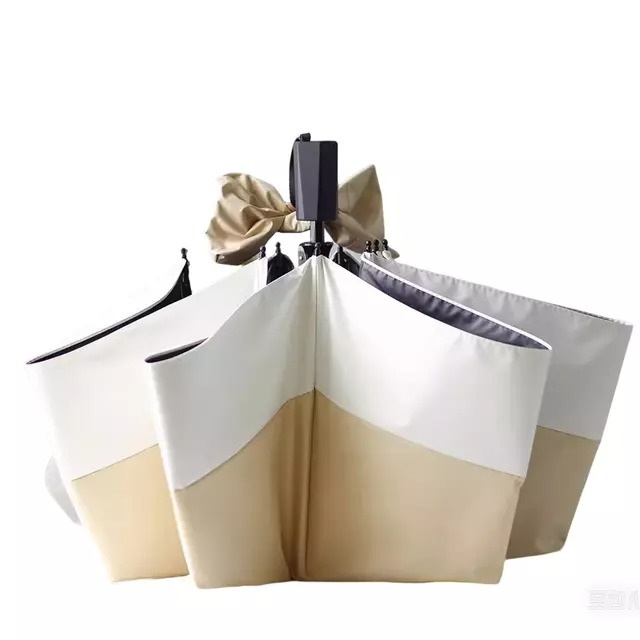
For a 6-person table, a 42-inch canopy typically provides balanced shade without crowding the table, while a 60-inch parasol can be used for a dramatic focal point in photos if space allows.
A common approach is 2-4 parasols per row, spaced to maintain shade along the aisle and to support photographer compositions. Additional parasols may be added at the ceremony's start or end for framing.
Yes, when paired with reinforced ribs, wind-resistant fabrics, and secure bases. Wind considerations should guide placement density and the choice of base systems appropriate to ground type.
Durable fabrics (UV-protective polyester or acrylic blends) with tight weaves, and frames made of aluminum or fiberglass for light weight and robust stiffness, offer good longevity under sun exposure and occasional wind.
Brands should specify color-mastching tolerance, logo placement guidelines, and packaging formats in their purchase order. A clear specification sheet reduces iterations and accelerates production while preserving brand integrity.
[1](https://mybaser.co.uk/what-size-parasol-should-i-choose-parasol-size-guide)
[2](https://decormaniacs.com/products/white-wedding-umbrella-parasol)
[3](https://www.paperlanternstore.com/blogs/articles/a-buying-guide-how-to-choose-the-perfect-parasol-for-your-wedding)
[4](https://jollybrolly.co.uk/pages/umbrellas-size-guide)
[5](https://labellaumbrellas.com.au/blogs/wedding-blog/your-guide-to-wedding-umbrellas)
[6](https://parapluiedecherbourg.com/en/which-umbrella-to-choose-for-a-wedding-/)
[7](https://www.tiktok.com/@krishawong_/video/7495703887442136327)
[8](https://jollybrolly.co.uk/blogs/blog/ultimate-guide-wedding-umbrellas)


