
Language
Please Choose Your Language
Views: 222 Author: Amanda Publish Time: 2025-11-06 Origin: Site


Content Menu
● Canopy Sizes and Applications
>> Practical mapping examples:
● Measuring Your Space (Step-by-Step)
● Operational and Maintenance Considerations
● FAQs
>> 1 How do I calculate the right canopy size for a rectangular table?
>> 2 Can a single umbrella shade multiple tables?
>> 3 What base weight is ideal for an 11-foot patio umbrella?
>> 4 How should OEMs present sizing data to customers?
>> 5 What maintenance steps extend umbrella life?
Choosing the right Patio Umbrella size is a strategic decision for OEM manufacturers because it directly impacts perceived value, functionality, and customer satisfaction. An accurately sized umbrella protects guests from sun and light rain, enhances outdoor aesthetics, and reduces post-purchase issues such as inadequate coverage or instability. This guide explains how to measure spaces, translate those measurements into canopy diameters, and align options with common table configurations, seating layouts, and environmental conditions. It also covers wind performance, material selection, and practical installation considerations to ensure durable, market-ready solutions. By the end, readers will know how to determine the correct Patio Umbrella size for various setups and how to pair it with compatible bases, poles, and accessories, all within an OEM framework.
Canopy coverage matters most. The primary goal is to shade the dining area and seating zone without crowding the space or creating glare. A reliable rule of thumb is to extend the canopy by roughly 2 feet beyond the edge of the seating area on all sides. For example, a typical 4-foot round table benefits from an 8-foot canopy, giving ample shade while maintaining comfortable elbow room.
Wind and stability. Larger canopies catch more wind, so in open or windy environments consider slightly smaller canopies or stronger frame constructions, along with heavier bases or anchor systems. Wind-rated designs and engineering choices should be integrated into the OEM specification process to deliver robust, long-lasting products.
Table shape and layout. Round tables naturally balance shade, while rectangular or square tables may require elongated canopies (9–11 feet or larger) to achieve full coverage. Seating clusters, lounges, and outdoor kitchens all influence canopy choices. For hospitality settings, durability, wind resistance, and ease of maintenance take on higher priority.
Space placement. If the umbrella is near walls, fences, or architectural features, shade patterns shift. Factor this into canopy diameter decisions to avoid overshoot or under-coverage while maintaining an aesthetically pleasing composition with furniture.
Usage context. Residential patios emphasize aesthetics and ease of use, while commercial or hospitality environments demand more rugged frames, higher UV resistance, and consistent performance under frequent use.
- 6–8 feet: Ideal for intimate seating areas, bistro sets, or compact balconies. Typically covers 33–44 square feet and accommodates 2–4 guests.
- 9–11 feet: The most versatile option for dining sets of 4–6 and mid-size patios. Suitable for multiple seating configurations and a variety of table shapes.
- 12 feet and larger: Best for expansive dining zones, lounge clusters, and spaces requiring broad shade with a single umbrella or for grouping multiple seating areas under one canopy.
- 4-foot round table: target an 8-foot canopy to provide balanced shade coverage and elbow room.
- 6–8 seat rectangular dining table (approximately 72 inches long): consider a 9–11 foot canopy for full coverage and comfortable spacing.
- Lounge zones or poolsides with multiple sunbeds: an 8–10 foot canopy often provides sufficient shade while preserving a tidy layout.
Step 1 – Define the shade footprint. Determine the intended shade radius from the umbrella's center to its edge, aiming for a margin of about 2 feet beyond the seating area.
Step 2 – Assess table dimensions. For rectangular tables, measure length and width; select a canopy diameter that exceeds the larger dimension by the 2-foot margin on each side.
Step 3 – Base footprint and operation clearance. Consider the base's footprint and the space required to operate cranks, tilts, or rotation mechanisms without interference.
Step 4 – Wind and exposure. In open or windy locations, plan for heavier bases, consider wind-vented canopies, and evaluate the feasibility of a slightly smaller canopy if wind stability is a concern.
Step 5 – Validate with a layout sketch. Create a simple diagram or use space planning software to confirm that shade coverage meets expectations for all seating areas.
Base selection. Heavier bases reduce tipping risk, especially with larger canopies. For example, a 9–11 foot canopy commonly requires a substantial base weight or a secure mounting system, with weights tailored to local wind conditions.
Pole and frame construction. Aluminum frames with corrosion-resistant coatings are common for outdoor durability; steel frames offer high wind resistance but require robust protective finishes. Consider multi-part or reinforced joints for OEM durability in demanding environments.
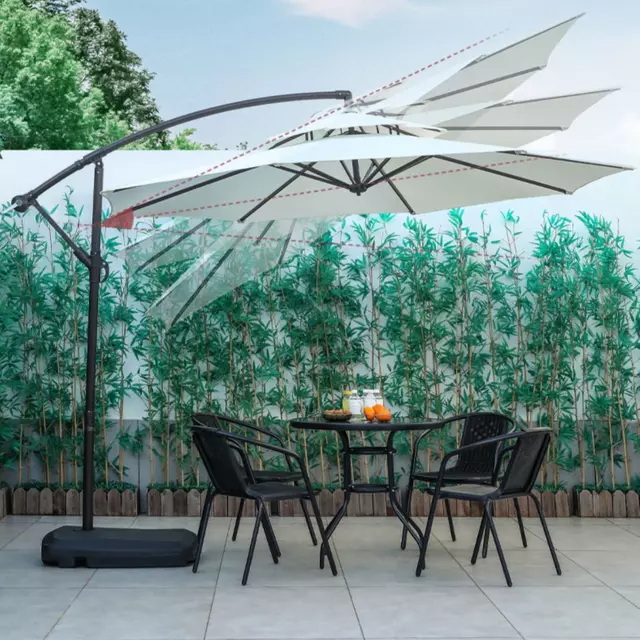
Axis and tilt. A smooth tilt and crank operation improves user experience and can be a key selling point in OEM programs. Ensure compatibility with different clamp sizes and base configurations.
Mobility vs. stability. If frequent repositioning is needed, offer light bases with wheels or modular bases that can be relocated easily without sacrificing stability.
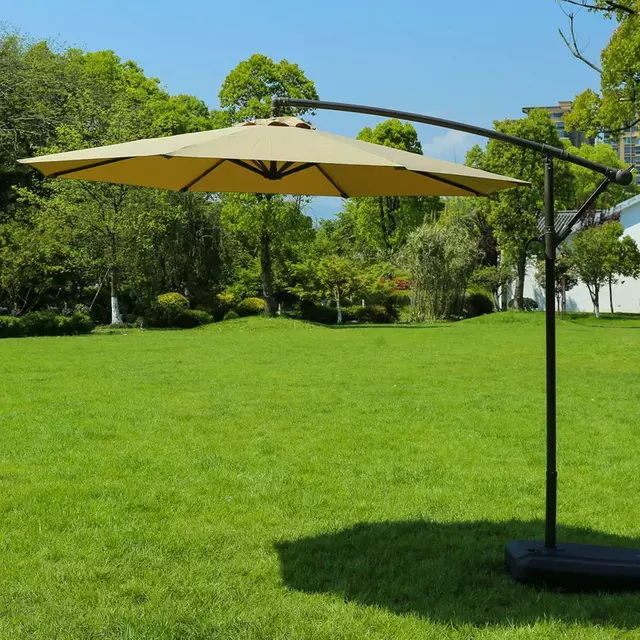
Canopy fabric. Look for fabrics with UV protection, water resistance, and colorfastness. For rain umbrellas, quick-drying fabrics and mildew resistance are advantageous.
Frame materials and finishes. Aluminum frames with powder coatings resist corrosion; steel frames, while heavier, can provide superior wind resistance when properly coated.
Branding and customization. OEM programs often include branding on fabric, logos on the canopy, and color customization to align with customer branding and regional preferences.
- Maintenance schedules. Provide customers with cleaning and inspection routines to extend life and maintain appearance.
- Storage and seasonal use. Guidance on winter storage, canopy covers, and venting practices contribute to product longevity.
- Replacement parts. OEM programs benefit from easy access to replacement ribs, hubs, and fabric panels to minimize downtime.
Choosing the right Patio Umbrella size blends precise space measurement with thoughtful consideration of table dimensions, seating arrangements, environmental exposure, and durability requirements. For OEM rain umbrella manufacturers, delivering a transparent sizing framework, robust base and frame options, and clear maintenance guidance helps international brands and distributors offer shade solutions that meet diverse needs. A well-structured product presentation—backed by measurement guides, clear data, and branded customization—reduces returns, increases customer satisfaction, and builds lasting trust with overseas clients.
Answer: Measure the table's length and width, then add a margin of about 2 feet on each side. Choose a canopy diameter that covers the resulting footprint, ensuring comfortable shade for all diners.
Answer: Yes, when tables are arranged within a shared shade footprint and the canopy diameter provides adequate overlap. Position the umbrella center to maximize coverage for the largest seating zone.
Answer: In wind-prone areas, bases of roughly 90–125 pounds (or equivalent filled weight) are common. Always consult local wind codes and test in situ to ensure stability.
Answer: Provide clear charts correlating table size to canopy diameter, along with wind ratings, base recommendations, and available color/material options. Include measurement diagrams and alt-text for accessibility.
Answer: Clean fabric with mild soap and water, dry completely before storage, inspect joints and ribs for damage, and store during severe weather or off-season using protective covers.
[1](https://westshade.com/blogs/what-size-patio-umbrella-do-i-need/)
[2](https://www.patiowell.com/blogs/tips-how-tos/what-size-patio-umbrella-do-i-need)
[3](https://www.patioproductions.com/blog/patio-furniture/patio-umbrella-buyers-guide/)
[4](https://purpleleafshop.com/blogs/news/patio-umbrella-size-guide)
[5](https://www.aosom.com/blog-the-complete-guide-to-measuring-patio-umbrellas.html)
[6](https://mybaser.com.au/what-size-Umbrella-should-i-choose-Umbrella-size-guide)
[7](https://www.brookfieldresidential.com/news-and-blog/complete-guide-to-patio-umbrellas)
[8](https://www.christysports.com/blog/patio-umbrellas-guide.html)
[9](https://www.rstbrands.com/blog/how-to-choose-outside-patio-umbrellas-rst-brands)
[10](https://westshade.com/blogs/what-size-umbrella-for-patio-table/)


