
Language
Please Choose Your Language
Views: 222 Author: Amanda Publish Time: 2025-11-14 Origin: Site


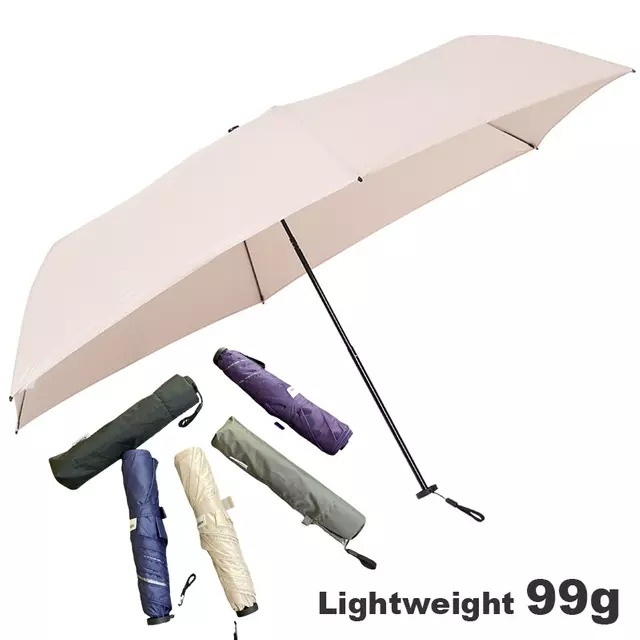
Content Menu
● The Origins of Personal Rain Protection
● From Ceremonial Parasol to Everyday Tool
>> Early Mechanical Concepts and Breakthroughs
● Materials and the Push Toward Lightness
>> Wind Resistance and Venting
● The Industrial Age: Standardization and Global Demand
● Private-Label Opportunities and Customization
>> Quality Assurance in a Global Supply Chain
● Sourcing, Logistics, and Compliance
● Design for Brand Value and Sustainability
● Consumer Experience and Usability
● Case Studies: OEM Partnerships in Action
● Practical Implementation: Turning History into Today's Production
● Knowledge Transfer, Training, and Documentation
● FAQ
>> 1. What defines a Folding Umbrella's wind resistance rating?
>> 2. How does auto-open functionality affect durability?
>> 3. Which canopy materials are best for colorfastness and water repellency?
>> 4. What should OEMs consider when branding Folding Umbrellas for international markets?
>> 5. How can a manufacturer ensure product quality across global supply chains?
The folding umbrella has become an indispensable companion for millions of people worldwide. Its evolution—from ceremonial parasols to compact, pocket-sized travel partners—mirrors broader advances in materials science, mechanical design, and global commerce. For overseas brands, wholesalers, and OEM manufacturers, understanding this trajectory is not merely an academic exercise; it informs product development, sourcing strategies, and the way private-label programs are positioned in diverse markets. This expanded article delves into the historical milestones, technical breakthroughs, and current manufacturing practices that shape the folding umbrella today, while offering practical guidance for OEM collaborations, quality assurance, and branding.
Humans have long sought portable shelter from the rain and sun. Early versions of personal protection appeared in multiple regions, including China, Europe, and the Middle East, each with distinct cultural and functional emphases. The umbrella as a concept combines a canopy to shed moisture with a structural frame that supports the fabric, and the goal of portability adds a new dimension to engineering challenges. For OEM teams, recognizing this foundation helps explain why certain features—such as the balance between canopy size, rib stiffness, and overall weight—are crucial across geographies. Modern Folding Umbrellas owe much to these iterative refinements, which culminated in devices that could fold to a fraction of their open size without compromising user safety or comfort. This foundational understanding is essential when designing private-label lines that must satisfy a broad spectrum of regulatory, climatic, and cultural contexts. The historical trajectory also reveals the enduring importance of reliable hinge mechanisms, corrosion-resistant materials, and weather-ready canopy coatings, all of which inform today's production choices and testing regimes.
Parasol use historically served ceremonial and status-driven roles, with canopies often crafted from luxurious fabrics and supported by ornate ribs. Over centuries, practical demand—driven by urbanization, travel, and the need for reliable weather protection—pushed designers toward more functional configurations. The shift from decorative to everyday use did not erase aesthetic considerations, but it did elevate the role of mechanical reliability. The Folding Umbrella emerges as a natural evolution in this narrative: a compact, easy-to-carry solution that could be opened quickly and closed into a pocket or bag. The transition also coincides with the rise of urban commuting and the expansion of mass-produced goods, which made high-quality, foldable umbrellas accessible to a much broader consumer base. For OEMs, this era signals the importance of scalable manufacturing processes and consistent performance across varied production runs, since demand patterns often hinge on reliable delivery and uniform product quality.
A folding umbrella hinges on two core ideas: a collapsible frame and a canopy that maintains weather-shedding performance when opened. Early designs experimented with hinge placement, rib arrangements, and joint connections to reduce jam risk and increase collapsing efficiency. As manufacturing methods advanced, engineers adopted telescoping or folding rib systems, enabling the canopy to fold neatly while preserving the structural integrity needed for wind resistance. For OEMs, the enduring takeaway is that a robust folding mechanism must tolerate repeated opening and closing cycles while remaining affordable at scale. This balance—between mechanical reliability and cost efficiency—continues to guide design choices in modern Folding Umbrella programs.
Materials science has been a major driver of folding umbrella evolution. Lightweight aluminum or steel ribs, durable hubs, and water-repellent canopy fabrics have reduced weight without sacrificing strength. The fabrics themselves have evolved from simple treated textiles to high-performance coatings that resist water penetration, abrasion, and UV damage. In cross-border manufacturing, selecting the right combination of rib material, hub design, and fabric coating is a critical decision that affects performance, sustainability, and compliance with regional quality standards. For OEM teams, this means aligning material choices with intended climate zones, usage patterns, and branding requirements, while maintaining cost competitiveness in global supply chains.
Wind remains the controlling factor in umbrella design. Modern Folding Umbrellas often employ vented canopies and specialized rib geometries to reduce lift and inversion risks. Venting allows air to pass through the canopy, lowering the pressure on the ribs during gusts. For international brands, highlighting wind-resistance features can differentiate products in markets with volatile weather. In production, testing wind performance through simulated conditions and real-world field trials builds confidence among retailers and end users, fostering stronger private-label partnerships.
As mass production expanded, folding umbrellas became more standardized, enabling manufacturers to meet the needs of diverse brands and distributors. Standardization reduces variance across batches, supports efficient tooling, and simplifies quality assurance. The period also saw a rise in patents and design registrations across multiple jurisdictions, reflecting both the appetite for innovation and the necessity to protect intellectual property in a global market. OEM collaborations benefit from clarity in licensing, supply chain visibility, and well-documented specifications that facilitate cross-border distribution and regulatory compliance.
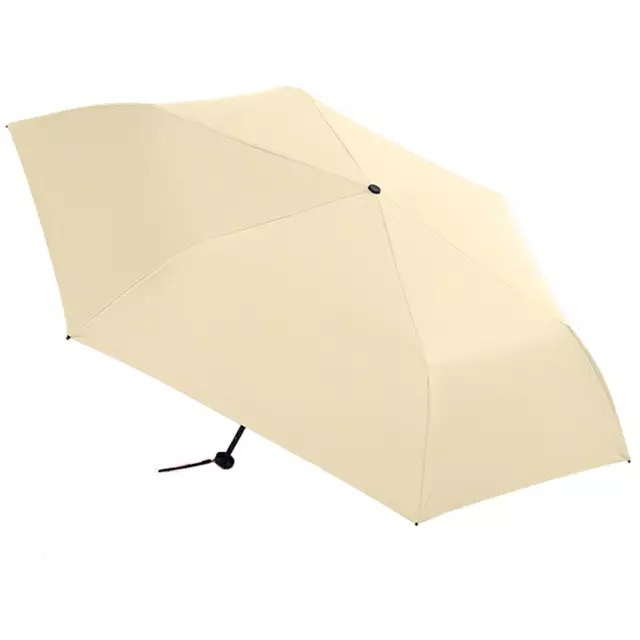
Private-label programs with folding umbrellas are a common avenue for brands seeking to differentiate through colorways, logos, packaging, and value-added features. Modular components—such as interchangeable handles, canopy colors, and branding sleeves—allow for rapid customization without requiring a complete retooling of the production line. For OEM manufacturers, modular design supports faster go-to-market timelines and the ability to adapt to seasonal campaigns across regions. Clear design briefs and changelog records help ensure consistency while enabling scalable personalization.
With multi-sourcing across continents, QA becomes a multi-layered effort. Cycle-life tests assess durability of the opening and closing mechanism; wind-load tests evaluate resilience under gusts; and material compatibility checks ensure coatings and fabrics hold up under environmental exposure. Traceability—lot numbers, supplier codes, and assembly-line QA checkpoints—provides visibility across the supply chain, supporting recall readiness and regulatory compliance. For OEM partners, establishing rigorous QA protocols from the outset reduces risk and builds trust with overseas brands and wholesalers.
Sourcing is rarely localized; most Folding Umbrella programs rely on a network of suppliers for fabrics, ribs, and hardware. Effective coordination across regions reduces lead times and keeps costs predictable. Export controls, labeling requirements, and material declarations vary by country, so comprehensive documentation is essential. From a practical standpoint, a strong Bill of Materials (BOM), packaging specifications, and clear incoterms facilitate smooth customs clearance and on-time delivery. This is particularly important for OEM programs that serve international retailers with strict brand guidelines and seasonal delivery windows.
Branding extends beyond visual identity. It encompasses packaging, product storytelling, and the perceived value of the umbrella in the consumer's daily life. Sustainability considerations—recyclable materials, long product life, and responsible end-of-life strategies—are increasingly central to buyer decisions. For OEM partners, articulating a sustainability narrative through materials selection, manufacturing practices, and end-of-life plans can resonate with global audiences and align with corporate ESG goals. In practice, this translates to choosing durable fabrics, recyclable metal components, and packaging that minimizes waste, while communicating these choices clearly to distributors and end customers.
End-user satisfaction hinges on a combination of convenience and reliability. Auto-open and auto-close features, ergonomic handles, compact storage, and quick-drying canopies all contribute to a superior user experience. When designing private-label offerings, feedback from distributors and consumers in target markets informs feature prioritization, sizing, and pricing. Usability testing—focusing on grip comfort, one-handed operation, and ease of use in crowded urban environments—often reveals opportunities to optimize the product for real-world scenarios across continents.
Case Study A: A European distributor collaborates with an OEM to launch a compact Folding Umbrella featuring UV protection and a branded sleeve. The project emphasizes quality control, rapid prototyping, and scalable packaging aligned with seasonal promotions. Case Study B: An Asian manufacturer supplies a private-label Folding Umbrella program for a North American retailer, incorporating wind vents, automated opening, and a durable travel pouch, with rigorous supply-chain resilience and cross-border logistics planning. Case Study C: A multinational brand adopts a modular Folding Umbrella platform, enabling customization of handle styles, canopy colors, and logo placement while standardizing rib and hub components for cost efficiency, illustrating how modular design supports global adaptation.
For OEM teams, translating historical insights into practical manufacturing steps involves establishing clear component specifications, robust testing regimes, and transparent collaboration with supply partners. Key actions include standardizing canopy fabric weights and coatings, selecting rib materials that balance stiffness and weight, and implementing hub designs tested for thousands of open/close cycles. By integrating these elements with brand guidelines, packaging, and regional regulatory considerations, an OEM program can deliver Folding Umbrellas that consistently meet performance expectations and cost targets across markets.
A successful OEM initiative relies on thorough documentation: technical drawings, material specifications, and assembly instructions accessible to all partners. Training programs for suppliers and assembly line personnel reduce variation and miscommunication. Regular design reviews and supplier audits help ensure that quality remains high even as volumes scale up. For brands, continuous improvement cycles—driven by field data and retailer feedback—keep products aligned with evolving consumer needs.
The Folding Umbrella represents more than a rain-shielding tool; it is a testament to centuries of design refinement, material innovation, and global manufacturing collaboration. For overseas brands, wholesalers, and OEM manufacturers, the path from ceremonial origins to mass-produced, portable solutions is paved with opportunities to optimize materials, mechanisms, and branding while maintaining uncompromising quality. By emphasizing wind resistance, portability, and adaptable aesthetics, OEM partners can deliver Folding Umbrellas that perform consistently across climates and contexts, while private-label programs can scale to meet diverse market demands. The story of the Folding Umbrella is a story of partnerships—between designers, suppliers, retailers, and end users—and that collaborative spirit remains the driving force behind every successful product in today's global marketplace. Through careful attention to engineering detail, sustainable choices, and a commitment to user-centric design, the Folding Umbrella continues to adapt and thrive in an ever-changing world. The enduring legacy of this humble yet transformative instrument is a reminder that great design travels well, crossing borders and cultures with every open and close.
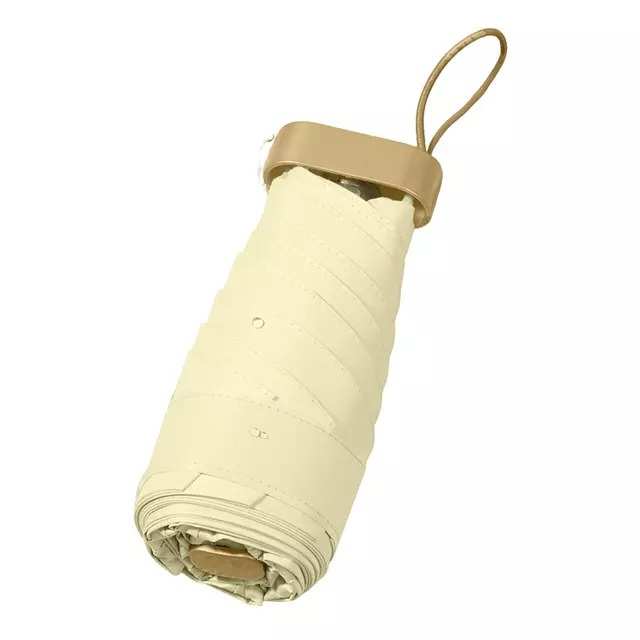
Answer: Wind resistance is determined by rib design, canopy venting, material stiffness, and overall frame geometry, measured through standardized tests and real-world trials.[10]
Answer: Auto-open mechanisms add moving parts that must endure many opening cycles, so they require robust hubs, quality springs, and precise tolerances to maintain reliability.[1]
Answer: Performance fabrics with fluoropolymer or silicone-based coatings offer durable colorfastness and water shedding, while maintaining flexibility at various temperatures.[1]
Answer: Branding considerations include logo placement, color consistency, packaging language, and regional regulatory labeling, all coordinated through a single design brief.[9]
Answer: Implement standardized component specifications, thorough QA testing, supplier audits, and end-to-end traceability to maintain consistent quality across lots.[1]
[1](https://en.wikipedia.org/wiki/Umbrella)
[2](https://umbrellaheaven.com/complete-history-of-umbrellas/)
[3](https://www.umbrellasonly.com.au/blog/the-birth-of-the-compact-umbrella.htm)
[4](https://www.beau-nuage.fr/en/module-blog?id=8)
[5](https://www.umbrellaworkshop.com/umbrellas/history-of-the-umbrella/)
[6](https://www.promoleaf.com/blog/history-of-umbrellas)
[7](https://www.thecottonlondon.com/pages/history-and-types-of-umbrella)
[8](https://artsandculture.google.com/story/umbrellas-over-time-inpi/twXxaW0okvtpKw?hl=en)
[9](https://historycooperative.org/when-was-the-umbrella-invented/)
[10](http://blockchain.the-it.co.uk/blogs/267/2762/the-history-of-folding-umbrellas)


