
Language
Please Choose Your Language
Views: 222 Author: Amanda Publish Time: 2025-11-17 Origin: Site


Content Menu
● Ancient Beginnings: The Dawn of the Parasol
● Parasole Across Empires: Greece, Rome, and Asia
● The Renaissance: Parasole Reborn
● Industrial Advances: Transformation in the Nineteenth Century
● The Parasol (Parasole) in Art, Etiquette, and Entertainment
● Parasole's Journey to the Twentieth Century
● The Modern Parasole: Tradition and Technology
● The Parasole in Different Cultures
● Parasol vs. Umbrella: Key Differences
● FAQ
>> 1. What is the origin of the parasole?
>> 2. How did parasole become popular in Europe?
>> 3. What materials have been used to make parasole?
>> 4. How are parasole different from umbrellas?
>> 5. Are parasole still relevant today?
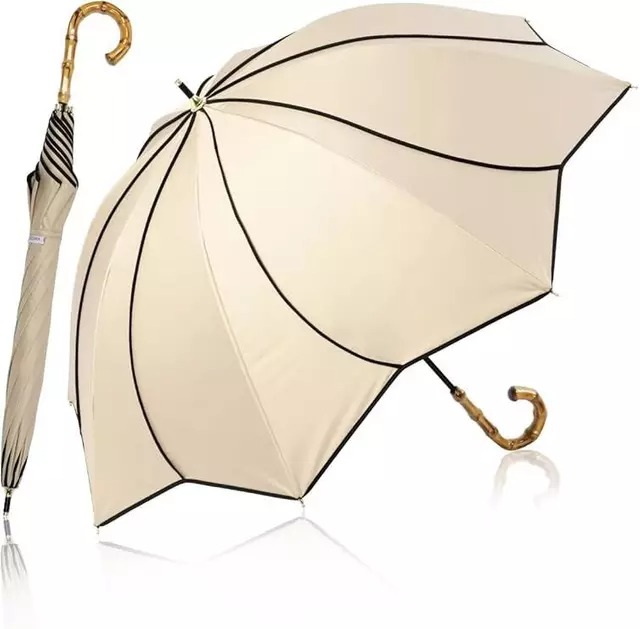
Parasols—known as "parasole" in Italian—have transcended time and culture, evolving from ancient symbols of power and privilege to modern-day essentials of style and sun protection. This comprehensive article explores the remarkable history, technological evolution, and cultural significance of the parasole, weaving newly detailed research and engaging narrative into a complete story.[3][5][6]
The earliest parasole traces date back over 4,500 years to ancient Egypt, Assyria, and China. In Egypt's Fifth Dynasty (circa 2450 BC), art depicts noble figures shielded by palm leaves or feathered parasole, carried by attendants as markers of divinity and status. Chinese dynasties soon advanced the design, using bamboo frames covered in silk or lacquered paper, and establishing folding mechanisms as early as 21 CE.[5][6][3]
- Parasole were reserved for royalty and high officials, their color, size, and craftsmanship signaling hierarchy and prestige.[6][5]
- These early parasole were neither waterproof nor widely accessible, manufactured from palm leaves, feathers, and select textiles.[3][5]
In classical Greece, parasole became woven into religious ritual and daily life, especially for elite women. Ancient Rome embraced parasole primarily among its fashionable class, signifying gentility and respectability. Rome's decline meant parasole faded from everyday European use, persisting only in religious ceremonies and within the church as symbols of spiritual authority.[7][10][11][3]
Meanwhile, in ancient China, innovations revolutionized parasole design:
- Waxed and lacquered paper surfaces transformed parasole into waterproof umbrellas, blurring the purpose between rain and sun protection.[5]
- The Chinese language even reflects this innovation—the character for umbrella, 傘, resembles the modern folding frame.[5]
The Middle Ages saw parasole all but vanish from European life, surviving sporadically among Venetian Doges and the highest clergy. Yet, the Italian Renaissance restored parasole's glamour and significance at royal courts:[11][5]
- By the 14th to 16th centuries, Italian, Spanish, and French nobility adopted parasole as luxury items, carried by both men and women in extravagant processions.[12][3]
- Parasole became integral to courtly life, symbolizing elegance, refinement, and, in some cases, flirtation rituals between aristocratic suitors.[5]
- By the 17th and 18th centuries, parasole were synonymous with female fashion in Europe, crafted from fine silks, adorned with lace and embroidery, and featuring ivory or silver handles.[11][5]
The spread of metallurgy during the Industrial Revolution triggered a tidal wave of innovation in the parasole's structure:
- Steel rib frames, patented by Samuel Fox in 1852, replaced heavier whalebone or wood, leading to lighter, more reliable parasole.[2][3]
- Folding mechanisms and waterproof fabric substitutes ushered parasole—and umbrellas—into broad public usage.[3][5]
In Victorian England and France, parasole grew in both artistic and functional sophistication:
- Intricate designs—fringe, embroidery, ruffles—reflected the prevailing art movements, from Victorian romanticism to Art Nouveau.[11][5]
- Specialized parasole shops sprang up, renting and selling the latest models to fashionable city dwellers.[3]
For centuries, parasole framed the lives of the upper class. Etiquette books prescribed when and how parasole were to be used, often serving as subtle tools in social interactions or courtship.[5]
- Flirtation techniques: Gentle closing, twirl, or tilt of the parasole could signal romantic interest or demure shyness, particularly in 19th-century Europe.[5]
- In visual art, the parasole became an emblem of femininity and grace, as seen in the works of Monet and Renoir.[3]
- Parasole were featured in theatrical performances, dances, and even sporting events, symbolizing luxury and leisure.
The 20th century marked profound change for the parasole:
- The invention of the compact folding umbrella in 1928 by Hans Haupt democratized sun and rain protection, blending the lines between parasole and umbrella.[5]
- Parasole shifted from exclusive fashion items to casual outdoor accessories, still favored at garden parties, ceremonies, and weddings, but no longer limited to the upper classes.[13][14]
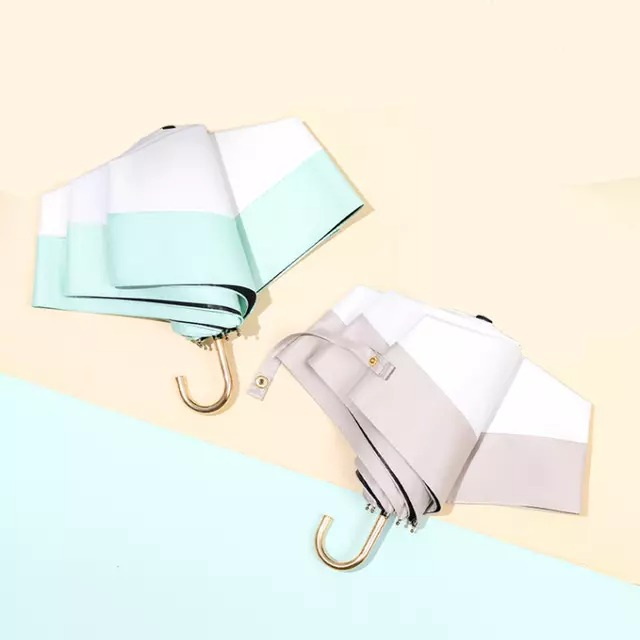
Today's parasole reflect centuries of design heritage and innovation:
- Modern parasole combine UV-resistant coatings, lightweight aluminum frames, and sustainable materials for improved utility.[1][5]
- Artisan workshops and mass manufacturers alike offer parasole crafted in homage to classic styles—lace, embroidery, fringe—as well as sleek, contemporary models for travel and leisure.[14][13]
- Parasole remain integral in festivals, fashion shows, cosplay, and period dramas, continuing their legacy as symbols of beauty and distinction.[15][11]
The parasole's evolution varied by region:
- In Asia, the parasole played ritual roles in imperial courts and Buddhist ceremonies, with designs reflecting social hierarchy.[6][5]
- In the Middle East and India, durable parasole provided relief from intense sun, often carried by both genders before evolving into regionally specific accessories.[3][5]
- In Western societies, especially Britain and France, parasole became the defining touch of outward refinement for centuries, a status that persists in luxury fashion today.[13][14]
The words "parasol" and "umbrella" are often used interchangeably, but key distinctions exist:
- Parasole are specifically designed for sun protection, often lighter and more ornate, with historical associations of status and style.[16][3]
- Umbrellas focus on rain protection and generally are more practical, with waterproof canopies and robust rib structures.[4][1]
The story of the parasole is deeply intertwined with shifts in gender roles, class mobility, and industrial progress:
- Parasole use signaled changing notions of femininity, power, and independence, especially as women assumed more public roles.[17][5]
- Mass production in the 19th and 20th centuries made parasole accessible to a broader demographic, further blending their identity with umbrellas.[1][3]
From the courts of Ancient Egypt and China to modern beaches and weddings, the parasole stands as an enduring icon of both culture and craft. Its evolution reflects humanity's ingenuity—woven from palm leaves, adorned with jewels, innovated with steel and polymers, and always aimed at shielding life from the sun. Today, parasole unite fashion, function, and tradition, their continued appeal a testament to their timeless design.
The earliest parasole originated over 4,500 years ago in ancient Egypt, Assyria, and China, serving royalty as symbols of protection and status.[6][3][5]
Parasole became a fashion staple for women during the Renaissance and flourished in 17th- and 18th-century European courts, reflecting wealth and changing social etiquette.[12][11][3]
Historically, parasole were made from palm leaves, feathers, bamboo, and silk. Innovations later introduced steel ribs and advanced textiles for durability and design variety.[1][3][5]
Parasole are designed for sun protection and are typically more ornate than umbrellas, which focus on protection from rain and utility.[16][1][3]
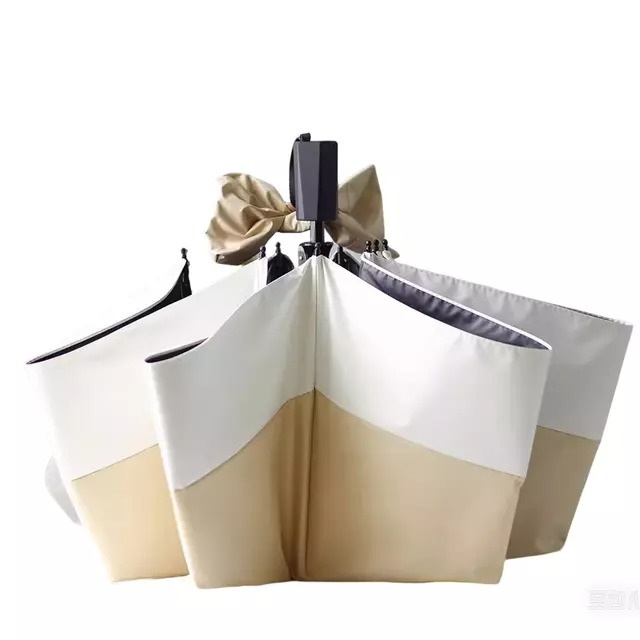
Modern parasole are valued for sun protection, style, and event decor, with many designs reflecting both historical elegance and contemporary needs.[14][15][13]
[1](https://umbrellaheaven.com/complete-history-of-umbrellas/)
[2](https://www.umbrellaworkshop.com/umbrellas/history-of-the-umbrella/)
[3](https://www.folkwear.com/blogs/news/historyoftheparasol)
[4](https://www.beau-nuage.fr/en/module-blog?id=8)
[5](https://soleroparasols.co.uk/history/)
[6](https://www.eastangelharbor.com/blog/tea-hat-blog/covered-in-elegance-a-journey-through-parasol-history)
[7](https://en.wikipedia.org/wiki/Umbrella)
[8](https://artsandculture.google.com/story/umbrellas-over-time-inpi/twXxaW0okvtpKw?hl=en)
[9](https://www.heddels.com/2018/09/taking-cover-the-long-history-of-the-umbrella/)
[10](http://www.umbrellahistory.net/umbrella-history/parasol-history/)
[11](https://manthecapstan.wordpress.com/2008/09/04/the-historical-parasol/)
[12](http://margaretroedesigns.com/wp-content/uploads/ParasolHist.pdf)
[13](https://umbrellaheaven.com/product-category/ladies-umbrellas/vintage-umbrellas/)
[14](https://vintagedancer.com/vintage-retro/vintage-style-parasols-umbrellas/)
[15](https://recollections.biz/blog/victorian-parasols-dainty-and-demure/)
[16](https://artsandculture.google.com/usergallery/YAISMX_YucmALg)
[17](https://fiveminutehistory.com/parasols-the-essential-victorian-accessory/)


