
Language
Please Choose Your Language
Views: 222 Author: Amanda Publish Time: 2025-12-08 Origin: Site


Content Menu
● What a Good Raincoat Should Do
● Where to Buy a Raincoat Near You
● Buying a Raincoat in Local Stores
● Buying a Raincoat from Big Chains and Supermarkets
● Buying a Raincoat Online and Picking It Up Near You
● Types of Raincoats Available Near You
● Key Features to Look for in a Raincoat
● How to Choose the Right Raincoat Size
● Everyday vs Technical Raincoats
● How to Check Raincoat Quality in Store
● Caring for Your Raincoat After Purchase
● OEM and Bulk Raincoat Buying for Brands and Wholesalers
● FAQs
>> 1. How do I quickly find stores that sell raincoats near me?
>> 2. What is the difference between a water‑resistant and a waterproof raincoat?
>> 3. How can I tell if a raincoat is breathable?
>> 4. What is the best raincoat length for work and commuting?
>> 5. How often should I replace my raincoat?
Finding the best place to buy a raincoat near you depends on how quickly you need it, what kind of weather you face, and whether you want a fashion‑focused or performance‑focused raincoat. A raincoat that fits well, stays waterproof, and feels comfortable can make rainy days easier, whether you are commuting, traveling, or working outdoors.
A modern raincoat is designed to do much more than simply block rain; it should also manage sweat and provide enough comfort for daily wear. High‑quality raincoats keep water out, let moisture escape, and protect you from wind so you stay dry from both rain and your own body heat.
For most people, the ideal raincoat combines three elements: waterproof fabric, sealed seams, and a functional hood. Together, these features help the raincoat maintain reliable protection in light showers and heavy downpours, whether you are walking to work, hiking a trail, or waiting for a bus.
When you type “Where can I buy a raincoat near me?” into a search bar, the results usually include local stores, big chain retailers, and nearby pickup options from online shops. Each of these choices has advantages depending on your budget, schedule, and expectations for the raincoat.
Local outdoor and sports stores tend to offer performance raincoats with proven waterproof ratings, taped seams, and technical features. In contrast, fashion boutiques and department stores focus more on stylish raincoats that pair well with office or city outfits. Workwear and uniform shops are another option, especially if you need a heavy‑duty raincoat for construction, logistics, or industrial work.
Buying a raincoat in person allows you to try different sizes, test the hood coverage, and move around in the coat before paying. You can check how the raincoat feels over your usual layers, see the true color in natural light, and judge whether the length works for your lifestyle.
In many local shops, staff can explain the difference between water‑resistant and fully waterproof raincoats, recommend a raincoat for your climate, and show you details like seam taping and ventilation. This guidance helps you avoid low‑quality raincoats that look fine on the hanger but fail in real storms.
Big chain clothing stores and supermarkets often stock affordable raincoats, especially during rainy seasons or promotional periods. These raincoats usually prioritize basic waterproof or water‑resistant protection, simple designs, and low prices.
If you suddenly get caught in bad weather and need an emergency raincoat near you, these stores are very convenient. However, many budget PVC or thin‑coated raincoats can feel clammy, may not breathe well, and might not withstand heavy, repeated use. They are ideal for occasional or short‑term raincoat needs, but not always the best choice for daily commuting or serious outdoor activities.
Online platforms offer the widest range of raincoat types, sizes, colors, and technical features. Many allow you to filter by waterproof rating, length, fabric, or purpose, so you can narrow down exactly the raincoat you want. Some websites also provide fast local delivery or in‑store pickup, effectively giving you a “near me” raincoat solution without visiting multiple shops.
When buying a raincoat online, carefully read size charts and fit notes, because different brands may cut their raincoats more slim or more relaxed. Take advantage of reviews that mention real‑world use, and choose sellers with flexible return policies so you can exchange the raincoat if it does not fit or feel right.
Understanding the main types of raincoats makes it easier to choose the right one from the nearest shop or online store. Different raincoat constructions balance waterproofing, breathability, weight, and price in different ways.
Common raincoat types include:
- Rubberized or PVC raincoat
Completely waterproof and often inexpensive, this raincoat is ideal for short use, industrial work, or emergencies. It is usually heavier and much less breathable, so it can feel sweaty during long wear.
- Coated‑nylon or polyester raincoat
This raincoat uses a waterproof coating on the inside of the fabric. It is generally lightweight, packable, and moderately breathable, making it popular for casual wear and entry‑level outdoor use. It may not last as long as premium membrane raincoats if used very frequently.
- Waterproof‑breathable membrane raincoat
Often used in high‑performance gear, this type of raincoat uses a special membrane that blocks liquid water but allows water vapor to escape. It offers strong waterproofing and good breathability, ideal for hiking, travel, and daily commuting in wet climates.
- Insulated raincoat
This combines a waterproof shell with an insulating layer to keep you warm and dry in cold, wet weather. It is thicker and heavier, but an excellent raincoat choice for winter or very chilly regions.
Regardless of where you buy a raincoat near you, looking beyond price and color will help you choose a coat that works in real conditions. Pay attention to the following raincoat features:
- Waterproof rating and seams
A good raincoat uses waterproof fabric and fully taped or welded seams, so water cannot seep through the stitching. Some labels list a water column number; higher numbers generally mean stronger water resistance.
- Breathability and ventilation
If you plan to walk fast, cycle, or work outdoors, choose a raincoat with a breathable membrane and features such as pit zips, mesh‑lined pockets, or back vents. These allow warm air to escape and make the raincoat more comfortable in active use.
- Hood design
A practical raincoat hood should be adjustable around the face and back of the head, with a small brim or peak to direct water away from your eyes. Hoods that are too large or too loose can block vision or blow off in the wind.
- Length and cut
Hip‑length raincoats are light and agile, perfect for cycling and day‑to‑day commuting. Longer raincoats that reach mid‑thigh or the knee provide better protection for your legs and are often preferred in city or business settings. Choose the length that fits your routine.
- Pockets and closures
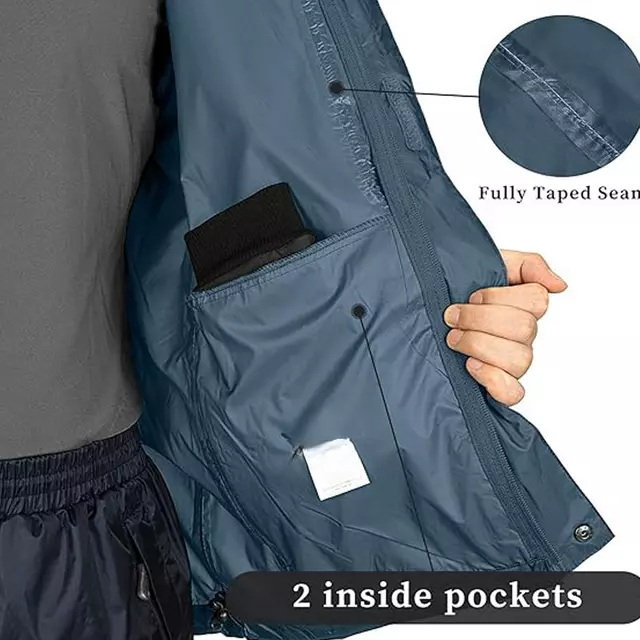
Check that the raincoat has enough pockets in practical positions for your phone, keys, or pass card. Look for water‑resistant zippers, storm flaps, and adjustable cuffs that prevent water from entering the sleeves.
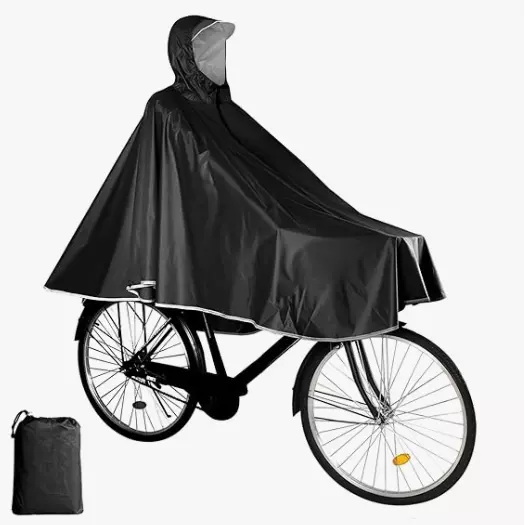
Raincoat sizing is important because the coat must fit comfortably over other clothing while still looking neat. The right size raincoat should allow free movement but not be so loose that it flaps or lets cold air rush in.
To choose the best raincoat size:
- Measure your chest, waist, and hips, then compare them to the size guide of the raincoat brand. If you are between two sizes and plan to wear thick layers underneath, choose the larger size.
- When trying on a raincoat, zip it up and move your arms in different directions. Raise your hands above your head and cross your arms in front of you; the raincoat should not pull tightly across the back or ride up excessively.
- Pay attention to sleeve length; a good raincoat should cover your wrists even when you stretch your arms forward, so rain does not run into your sleeves.
Different people have different priorities when buying a raincoat near them. Some care more about style and city use, while others need technical performance for outdoor activities or demanding work.
An everyday fashion raincoat typically focuses on appearance, using classic colors and tailored shapes that match office clothes and casual outfits. A technical raincoat focuses on weather performance, using advanced waterproof‑breathable fabrics, light weight, and features like helmet‑compatible hoods and large ventilation zips.
If you mainly walk short distances in town, an everyday raincoat from a nearby clothing store can be enough. If you hike, travel a lot, or often face heavy rain and wind, visiting an outdoor specialist or ordering a technical raincoat online is usually the better choice.
When you can physically handle a raincoat in a store, simple checks can help you judge its quality and potential durability. Taking a few extra minutes before you buy will save you from disappointment later.
First, feel the fabric of the raincoat between your fingers. Good technical raincoat fabric tends to feel tightly woven, flexible, and not overly stiff or crackly. Very thin, noisy, plastic‑like material may indicate a cheaper raincoat that could tear or peel more quickly.
Next, turn the raincoat inside out and inspect the seams. Fully taped seams appear as a narrow strip covering the stitching lines. This tape prevents water from seeping through the needle holes and is essential for a truly waterproof raincoat. Also, test the zippers and snaps; they should move smoothly, and the front zipper should usually have a storm flap or water‑resistant design.
Proper care extends the life of any raincoat and helps it stay waterproof and breathable. Neglect, harsh detergents, or long‑term dirt build‑up can damage the coating or membrane of the raincoat and reduce its performance.
Always read the care label inside the raincoat before cleaning it. Most waterproof‑breathable raincoats should be washed with mild or specialized detergent, avoiding bleach, fabric softeners, and strong chemicals. These products can clog the fabric or strip the durable water‑repellent finish on the surface of the raincoat.
For small marks, use a damp cloth to wipe the raincoat rather than washing the whole garment. When you do wash it, rinse thoroughly, then hang it to air‑dry. Some raincoats can be tumble‑dried on low heat to help reactivate the surface treatment; follow the instructions carefully. If water stops beading on the outer fabric, you can apply a spray‑on or wash‑in water‑repellent product to refresh the raincoat.
In addition to local retail shopping, many businesses need raincoats in bulk quantities. Brands, wholesalers, and manufacturers often work with OEM raincoat factories to create custom products for their own labels. This approach is useful when you want a unique raincoat design or consistent supply for your market.
An OEM raincoat manufacturer can provide customized options for length, fabric, color, zipper style, logo placement, and packaging. You can develop several collections of raincoats, such as a basic PVC raincoat line for low‑cost markets, a mid‑range coated‑fabric raincoat for daily wear, and a premium waterproof‑breathable raincoat series for demanding customers. By controlling production directly, you can align the raincoat quality, price, and branding with your local “near me” distribution channels.
If you are a reseller or brand owner, building a long‑term partnership with a professional raincoat manufacturer helps you respond quickly to seasonal demand, new trends, and specific customer requests. That way, your customers can always find the right raincoat near them—from children's raincoats and work raincoats to stylish city raincoats and technical outdoor raincoats.
When you ask “Where can I buy a raincoat near me?”, the best answer depends on your needs: local shops for hands‑on fitting, big chains for quick and affordable options, and online platforms for maximum variety. By understanding raincoat types, important features, and proper sizing, you can confidently choose a raincoat that truly keeps you dry instead of just looking good on the hanger.
For individuals, investing in a well‑designed raincoat improves comfort on every rainy day; for brands and wholesalers, working with a reliable OEM raincoat manufacturer makes it possible to supply consistent, customized raincoats to customers in every market. With clear priorities and the right partner, there is always a suitable raincoat “near you.”
Use a map or navigation app and search for terms like “raincoat,” “rain jacket,” “outdoor store,” or “workwear.” Then check the store details to confirm they sell rainwear before you visit. Calling ahead can also save time and make sure the raincoat you want is in stock.
A water‑resistant raincoat can handle light showers but may let water through during long or heavy rain. A truly waterproof raincoat uses waterproof fabric and sealed seams to keep rain out even in strong downpours. If you live in a very wet climate or stay outside for long periods, a waterproof raincoat is usually the better choice.
Breathable raincoats often use a technical membrane and include features like mesh linings, underarm zips, or back vents. When you read product descriptions, look for words such as “breathable,” “moisture‑vapor transfer,” or “ventilation.” A breathable raincoat helps reduce sweating and clamminess, especially when you are active.
For office and city commuting, many people prefer a mid‑thigh or knee‑length raincoat that covers both a jacket and part of the legs. This raincoat length provides better protection when walking or waiting outdoors. For cycling, running, or very active use, a hip‑length raincoat may feel more comfortable and less restrictive.
There is no fixed schedule, but you should consider replacing or upgrading your raincoat when it no longer keeps you dry, the fabric starts to peel, or seams and zippers show serious damage. With good care, a quality raincoat can last several seasons or even many years. If you rely on your raincoat for work or frequent travel, investing in a higher‑quality replacement can improve comfort and reliability.


