
Language
Please Choose Your Language


Content Menu
● Understanding Parasole: Types, Features, and Trends
● Where to Buy Parasole: Sourcing Channels
>> Direct OEM Parasole Manufacturers
>> Specialized Retailers and Distributors
● OEM & Factory Production: Behind the Scenes
>> The Parasol Manufacturing Process
>> OEM/ODM Customization at Scale
>> Logistics, Quality Assurance, and Support
● Choosing the Right Parasole for Your Needs
>> Check Product Specifications
>> Compare Supplier Capabilities
● Care and Maintenance of Parasole
● Market Overview and Future Innovations
● Frequently Asked Questions (FAQ)
>> 1. What's the difference between a parasole and a regular umbrella?
>> 2. How do OEM/ODM parasole services help brand owners?
>> 3. What materials are best for commercial parasole?
>> 4. How can buyers ensure the quality of imported parasole?
>> 5. What are the recommended practices for storing and cleaning parasole?
Parasole, commonly known as parasols, are essential products for creating comfortable outdoor environments, enhancing event aesthetics, and adding brand distinction through customization. Whether you need personal shade, commercial branding, or large-scale OEM supply, the global market for parasole offers numerous choices. This detailed guide will walk you through every aspect of buying parasole, focusing on manufacturers, suppliers, product qualities, customization opportunities, and the unique processes behind OEM service.
Modern parasole are available in many styles to suit different needs and markets. These include:
- Garden Parasole: Large canopies and robust frames designed for outdoor shade, popular with homeowners and hospitality businesses for their durability and coverage.
- Event & Promotional Parasole: Custom branded options used by corporations, event planners, and marketers. These are fully customizable in color, imprint, size, and material.
- Decorative Parasole: Available in vintage or cocktail versions, constructed from paper, bamboo, or lightweight fabric, and widely seen in restaurants, parties, and weddings.
- Commercial Grade Models: Engineered for resorts, cafes, and retail outlets to withstand regular use and provide lasting coverage.
- Frame Material: Most garden and commercial parasole use aluminum, steel, or fiberglass for long-term durability. Aluminum and fiberglass offer rust resistance and strength.
- Canopy Material: UV-blocking, water-repellent fabrics like polyester and acrylic are standard. For high-end models, Sunbrella® fabrics are prized for colorfastness and longevity.
- Size & Shape: Parasole come in a variety of diameters and forms (round, square, rectangular) to accommodate different seating arrangements and environments.
- Opening Mechanism: Push, crank, and pulley systems are designed for effortless deployment and closing.
- Branding & Design: Custom artwork, vivid colors, and logo placement turn parasole into powerful branding tools in commercial settings.
- Wind Resistance: Vented canopies and reinforced ribs help prevent tipping or damage in breezy conditions.
The parasole market has evolved with increased demand for OEM (Original Equipment Manufacturer) and ODM (Original Design Manufacturer) partnerships. Brands want products that reflect company identity, while homeowners seek functional and stylish options. Technological advances in fabrics and assembly have led to stronger, longer-lasting parasole suited to all climates and uses.[5][7]
For enterprises, event organizers, and wholesalers, buying directly from established OEM parasole manufacturers offers the highest degree of customization and cost efficiency. These factories—often located in Asia or Europe—manage everything from concept development to shipment logistics.
OEM services typically include:
- Bespoke design: Color, pattern, logo, handle and canopy customizations
- Material selection: Aluminum, fiberglass, wood, Sunbrella®, specialty coatings
- Quantity discounts: Competitive pricing for bulk orders
- Sample production and verification: Pre-order samples guarantee product quality
- Full-service logistics: Coordination of shipping and customs clearance
OEM suppliers support both open-market and branded parasole needs with minimum order quantities, reliable turnaround, and assurance of compliance with international standards.[1][2][3][7][5]
Global platforms such as Alibaba feature thousands of parasole suppliers and allow buyers to compare performance data, on-time delivery rates, and minimum order quantities. These sources are ideal for brand owners, retailers, and importers needing both manufacturing transparency and volume flexibility.[6][8]
Businesses and individuals can find parasole through online retailers, party supply shops, and home improvement stores. These sellers offer a broad selection, from standard garden parasole to event-friendly models in paper or nylon. Many provide direct customization via digital imprinting or screen printing.
Shopping locally gives buyers the chance to inspect parasole quality firsthand and ensures easy service access for parts or repairs. Homeowners, small businesses, and event planners may prefer this route for the convenience and immediacy it brings.
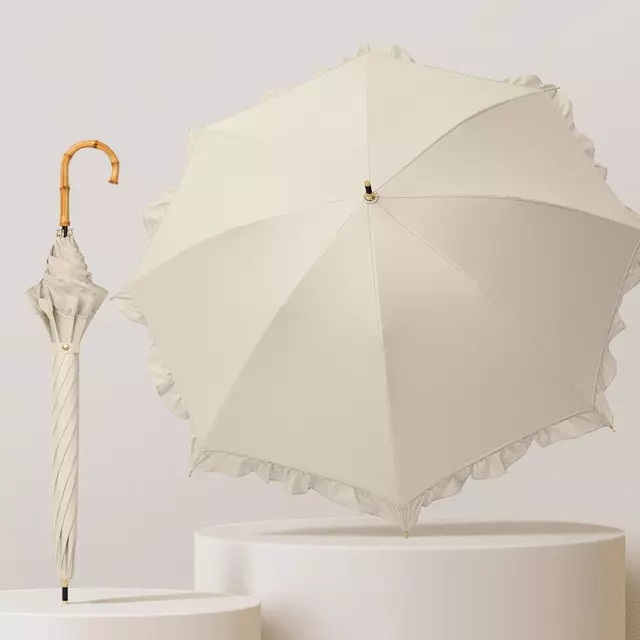
Parasole factories employ advanced procedures to ensure consistency and durability in every product. Key steps typically include:
- Design and Engineering: Every parasole begins with CAD renderings and design mockups that factor in market trends, customer preferences, and technical requirements.[5]
- Frame Production: Aluminum, steel, fiberglass, or wood components are cut, drilled, and coated for rust and impact resistance. Modern lines rely on automation for precision.
- Canopy Fabrication: Computer-controlled cutting, reinforced stress points, and strong UV-resistant thread combine for lasting strength. Fabrics are treated for water resistance and colorfastness.
- Assembly: Expert workers piece together the frame, hub, ribs, opening mechanisms, and canopy. Quality checks at each stage ensure alignment and operation.
- Finishing: Labels, packaging, care instructions, and custom branding are applied before final inspection and shipment.
The value of OEM service lies in direct control over the product vision. Orders can include:
- Unique graphics and patterns
- Custom canopy shapes (octagonal, square, rectangular)
- Handle variation (plastic, wood, metal)
- Special finishing (scalloped edges, fringe, venting)
- Branded packaging for retail
The best factories operate production lines for market umbrellas, cantilever/offset styles, commercial-use models, and innovative designs (solar-powered LED, windproof vented parasole).[7][6]
Proven manufacturers provide:
- Compliance with safety standards
- Business credentials and financial stability for long-term partnership
- Technology support for tracking orders and feedback
- Dedicated after-sales service for repairs, spare parts, and warranty claims
This all-inclusive model ensures buyers from overseas receive products that reflect their brand identity and meet local standards.[7]
- Personal Use: Seek easy-to-operate, durable models sized for your patio or garden.
- Business/Branding: Choose a supplier with proven customization experience and reliable delivery.
- Events: Prioritize light, decorative parasole with visual appeal, especially for frequent installation and breakdown.
- Examine frame and canopy materials for weather resistance.
- Ask about UPF ratings for sun protection.
- Ensure moving parts are robust enough for daily use.
Look for:
- Years in business and export experience[2][1][7]
- Customer reviews and verified credentials
- Responsiveness and sample fulfillment
- Warranty terms and after-sales support
- Confirm MOQs (minimum order quantities)
- Clarify shipping methods, timelines, and documentation
- Request tracking and transparency throughout the process
Send your artwork for digital mockups or physical samples. Top manufacturers provide both screen printing and heat-transfer methods for logo application and fast sample turnaround (typically 5-7 business days).[7]
Maintaining a parasole ensures longevity and continued performance:
- Clean canopies with mild soap and water; never use bleach or harsh chemicals[10]
- Dry thoroughly before storage to prevent mildew and deterioration
- Inspect frame and canopy seams periodically for wear
- Store indoors during off-season or during extreme weather to avoid damage
The parasole industry is experiencing strong growth, with new innovations focusing on wind resistance, lightweight designs, and eco-friendly materials. Some suppliers now offer solar-powered parasole with integrated lighting and USB charging, further expanding use cases into hospitality, leisure, and outdoor living.
Leading manufacturers are integrating order and quality management technology, allowing clients to track production, receive updates, and resolve issues efficiently—making OEM partnerships increasingly appealing.[7]
Finding the right parasole supplier is key for anyone seeking quality, durability, design flexibility, and cost-efficiency. OEM and ODM manufacturers provide tailored solutions for global brands, event planners, and retailers, supporting projects from single-use decorations to large branded installations. By understanding product features, inspecting supplier credentials, and leveraging customization opportunities, buyers can ensure their parasole meet both practical and branding needs. In an ever-competitive outdoor market, well-chosen parasole deliver not only style and comfort but ongoing business benefits for years to come.[8][1][2][6][5][7]
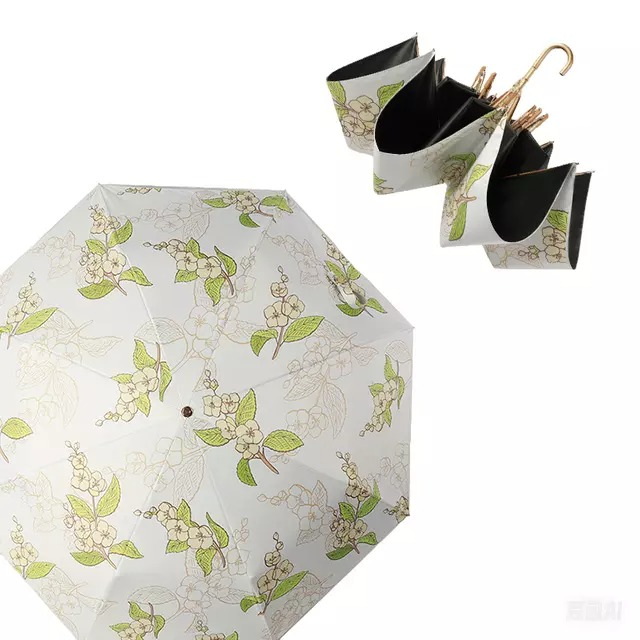
A parasole is specifically designed for sun protection and outdoor use, often larger and featuring UV-blocking fabric and durable frames, while regular umbrellas primarily serve rain protection.
OEM/ODM services allow full customization of size, color, logo, and materials, ensuring that the final product perfectly matches brand image and marketing requirements.
Aluminum, fiberglass, and treated wood create sturdy frames, while Sunbrella® and coated polyester fabrics offer exceptional weather resistance and color retention.
Choose suppliers with strong export records, clear sample procedures, internationally recognized manufacturing certifications, and transparent communication about production and delivery.
Clean with a mild solution and air dry, store indoors when not in regular use, and inspect mechanisms and canopies periodically to catch and repair small issues promptly.
[1](https://www.lidagarden.com/product-category/patio-umbrella/)
[2](https://www.madeumbrella.com/about/factory_profile.html)
[3](https://www.scolaro-parasol.it/gb/content/4-company)
[4](https://www.made-in-china.com/products-search/hot-china-products/Wholesale_Parasol_Parts.html)
[5](https://www.coartsinnovation.com/patio-umbrella-manufacturer/)
[6](https://www.artfarm.com.tw/factory-introduction)
[7](https://topumbrella.com/info/164)
[8](https://www.alibaba.com/price-comparison/parasol-supplier)
[9](https://www.darwincn.com/products-outdoor-parasol.html)
[10](https://mybaser.co.uk/best-parasol-guide-which-parasol-to-choose)


