
Language
Please Choose Your Language


Content Menu
● Main Places to Buy a Raincoat
>> Fashion and Lifestyle Brands
>> Supermarkets and Department Stores
>> Direct From OEM Raincoat Manufacturers
● How to Choose the Right Raincoat
>> Understand Raincoat Materials
>> Waterproof vs Water‑Resistant Raincoats
>> Raincoat Breathability and Comfort
>> Raincoat Length and Coverage
>> Getting the Right Raincoat Size
● Key Features to Look for When Buying a Raincoat
● Comparing Common Raincoat Types
● How to Care for Your Raincoat After Buying
● When to Buy From an OEM Raincoat Manufacturer
● FAQs
>> 1. How do I know if a raincoat is really waterproof?
>> 2. What is the best material for a raincoat?
>> 3. How should a raincoat fit?
>> 4. How often should I wash my raincoat?
>> 5. Can I repair an old raincoat instead of buying a new one?
Raincoats are no longer just emergency gear; a good raincoat is a daily essential that keeps you dry, comfortable, and stylish in wet weather. Whether you are a commuter, traveler, worker, or outdoor enthusiast, knowing where to buy a raincoat and how to choose the right one will save you money and frustration. A carefully selected raincoat can protect you from storms, match your outfit, and last for many seasons of use.
A quality raincoat combines waterproof protection, breathability, and functional design details. When you buy a raincoat, pay close attention to fabric, seams, hood design, length, ventilation, and fit. These elements decide whether your raincoat feels like a reliable daily partner or just a plastic shell you avoid wearing.
A good raincoat should keep out rain without making you feel overheated or sticky. To do this, the raincoat needs a balance of water protection and moisture management. Well‑designed cuffs, hems, and collars stop water from finding its way inside, while clever venting allows warm air and sweat to escape.
You can buy a raincoat from many different channels, and each has its own strengths. Understanding these options helps you decide where to buy your next raincoat, depending on quantity, budget, and quality expectations.
Online marketplaces offer thousands of raincoat models in one place, from budget plastic raincoats to premium technical designs. You can read buyer feedback, compare raincoat prices quickly, and filter by size, color, and style. This makes it easy to find a raincoat that matches your needs without leaving home.
However, every raincoat brand on a marketplace may follow different sizing and quality standards. You cannot touch the raincoat fabric or try on the raincoat before delivery, so you need to study descriptions and reviews carefully. For personal use and small quantities, online marketplaces remain one of the most convenient ways to buy a raincoat.
Outdoor and sports retailers focus on performance raincoat products. Staff usually understand technical details such as waterproof ratings, breathability, and fabric structures. If you want a hiking raincoat, trekking raincoat, or cycling raincoat, these stores are very helpful.
In these shops you can try on different raincoat models with your backpack or mid‑layers. This is useful when you need a raincoat for long hikes or travel. The main trade‑off is price: a performance raincoat will usually cost more than a basic city raincoat, but you receive better long‑term comfort and durability.
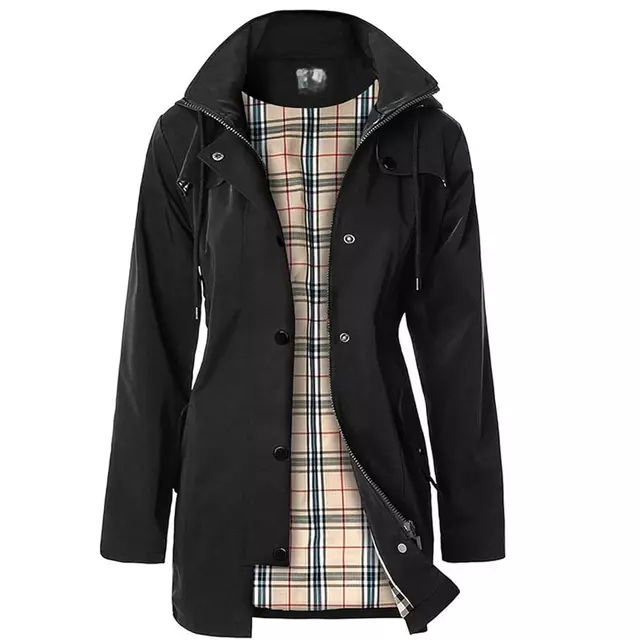
Fashion and lifestyle brands design raincoats with strong attention to silhouette, color, and style. A fashion raincoat may look like a trench coat, parka, or minimalist coat, but with water‑repellent fabric. These raincoats work well for business, office commutes, and city travel.
While a fashion raincoat often provides enough protection for light and moderate rain, it may not be suitable for heavy storms or all‑day outdoor use. If your main goal is a raincoat that matches workwear or casual outfits, this is a good place to buy. If your main goal is to stay dry in extreme rain, look for more technical raincoat options.
During rainy seasons, supermarkets and department stores usually stock simple, budget‑friendly raincoat options. These can be basic PVC raincoats, lightweight coated raincoats, or compact foldable raincoats. They are suitable as backup gear for the car, office, or school bag.
The main advantage is price and convenience: you can add a raincoat to your cart while doing regular shopping. The downsides are limited style, fewer size options, and less information about fabric and waterproof performance. These raincoats are ideal for occasional use but may not be comfortable for long‑term daily wear.
If you are a brand owner, wholesaler, importer, or uniform buyer, working directly with an OEM raincoat manufacturer is often the most efficient solution. Instead of buying individual raincoats from retail stores, you can develop your own custom raincoat line in bulk.
An OEM raincoat factory can adjust materials, patterns, colors, and details to meet your market requirements. You can order custom logo printing, private label tags, customized packaging, and special features such as reflective strips, detachable hoods, or extra pockets. This approach lowers the cost per raincoat when you order large quantities, and it builds a consistent brand image across your raincoat collection.
Where you buy a raincoat matters, but the raincoat itself matters even more. To avoid disappointment, think about your climate, daily activity, and personal style before you choose a raincoat.
Raincoat fabric is the heart of the product. Different materials provide different levels of comfort, weight, and water protection.
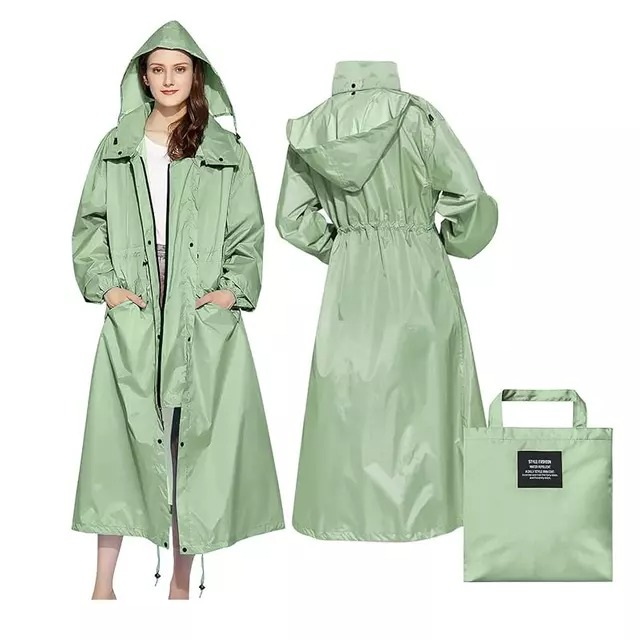
PVC and rubberized raincoats are fully waterproof and resist even heavy downpours. These raincoats are common in industrial and fishing environments, but they trap heat and moisture, which can feel uncomfortable during active use. PU‑coated nylon or polyester raincoats offer strong waterproof performance with better flexibility and lighter weight, making them popular for commuting and general outdoor use.
Technical waterproof‑breathable raincoats use special membranes or laminates that block rain from the outside while allowing water vapor to escape from the inside. These raincoats are ideal for hikers, travelers, and anyone who moves a lot in wet weather. Although they cost more than simple coated raincoats, they offer excellent long‑term comfort.
Not every raincoat is truly waterproof. Some raincoats are only water‑resistant, which means they can handle light showers but may soak through in heavy or continuous rain.
A waterproof raincoat normally has a durable coating or membrane, sealed seams, and design details that keep water away from openings. A water‑resistant raincoat may rely mainly on a surface treatment that causes droplets to bead and roll off but does not protect well against strong, prolonged rain. For everyday city use, a water‑resistant raincoat might be enough. For outdoor work, travel, or stormy climates, a fully waterproof raincoat is usually the safer choice.
Breathability decides whether you stay comfortable inside your raincoat. If a raincoat blocks rain but cannot release sweat, you will feel wet and sticky even if no rain has passed the fabric.
Breathable raincoats use microporous structures, venting panels, or mesh linings to manage moisture. Features such as pit zips under the arms, back vents, and mesh‑lined pockets encourage airflow. If you plan to walk quickly, cycle, hike, or work physically while wearing your raincoat, choose a breathable raincoat and not just any plastic raincoat.
Raincoat length influences both protection and style. Short raincoat jackets offer more mobility, while longer raincoats protect more of the body.
Hip‑length raincoats are best for active use and for wearing with backpacks or waist packs. Mid‑thigh raincoats give more coverage for commuting and travel without restricting movement too much. Knee‑length or longer raincoats protect the upper legs and work well with formal clothing or uniforms. Think about whether you often wear suits, skirts, or work trousers, and select a raincoat length that covers critical areas while still allowing normal walking and sitting.
Sizing is crucial when you buy a raincoat, especially online. A tight raincoat will feel uncomfortable over layers, while an oversized raincoat can flap in the wind and let rain in.
Measure your chest, waist, and hip, and compare these numbers with each brand's size chart. Remember that you usually wear a raincoat over at least one other garment. Leave room for a sweater, fleece, or blazer under the raincoat, especially in cooler seasons. Check sleeve length as well: raincoat sleeves should slightly cover the cuffs of your inner layers so water does not run inside.
Beyond fabric and fit, some small details decide whether your raincoat works well in real conditions. When you compare raincoats, look closely at these design points.
An adjustable hood with a firm brim is one of the most important raincoat features. It should fit snugly, move with your head, and stay out of your eyes. Drawcords, toggles, and back adjustments help the hood remain stable in wind.
Storm flaps over the front zipper prevent water from penetrating through the zipper teeth. Taped seams seal the stitching lines, which are natural weak points in a raincoat. Adjustable cuffs and hem drawcords stop water from splashing upward or blowing inside. Well‑placed pockets keep valuables dry and accessible; internal pockets are ideal for phones, documents, or tickets.
Different situations call for different raincoat types. Thinking about your primary use will guide you toward the correct category when you decide where to buy.
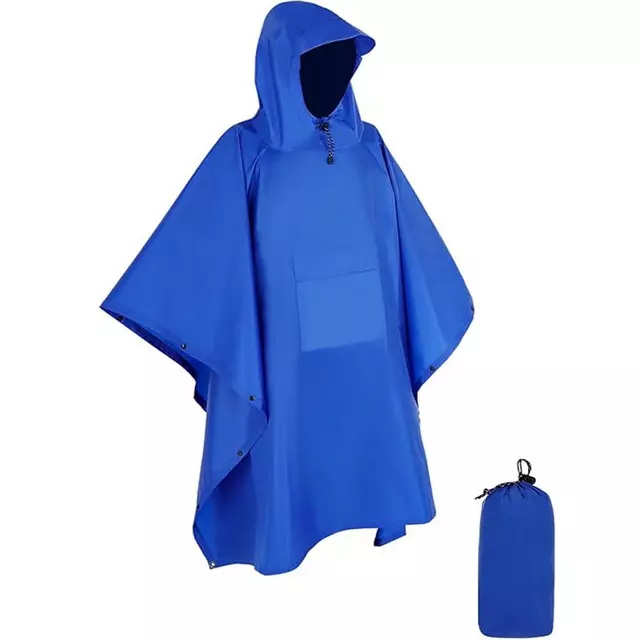
PVC industrial raincoats are heavy but extremely protective, ideal for fishing, construction, and industrial cleaning. PU‑coated city raincoats balance performance and style for commuters and casual users. Technical hiking raincoats are built for movement, long distances, and changing weather. Lightweight packable raincoats fold into small pouches for emergency use in bags or vehicles. Fashion trench raincoats focus on appearance while still offering reasonable weather protection.
When you know which type you want, choosing where to buy becomes easier. Outdoor stores are better for technical raincoats, fashion retailers for trench‑style raincoats, supermarkets for emergency packable raincoats, and OEM partners for industrial or branded raincoat lines.
Caring for a raincoat correctly keeps it working like new. Even the best raincoat will lose performance if dirt, sweat, and oils build up on the fabric.
Wash your raincoat only when needed and follow the care label. Use mild or specialized detergents designed for waterproof garments, and avoid fabric softeners because they can block the pores of technical fabrics. Rinse thoroughly to remove residue.
Many modern raincoats rely on a durable water‑repellent (DWR) finish on the outer fabric. Over time, the DWR wears off, and water stops forming beads on the surface. When this happens, clean the raincoat, then restore the DWR with a spray‑on or wash‑in treatment. Gentle heat (if allowed by the label) can help reactivate the coating. Small damage such as pinholes or seam wear can often be repaired with seam‑sealing tape or repair patches instead of buying a new raincoat immediately.
For end consumers, regular retail channels provide plenty of raincoat choices. For professional buyers, brands, and wholesalers, OEM raincoat manufacturing unlocks a different level of flexibility and efficiency.
If you run a clothing brand, you can cooperate with an OEM raincoat factory to build an exclusive raincoat collection. You can choose every detail: fabric type, waterproof rating, lining, zipper style, reflective elements, and logo placement. The OEM partner can also advise on pattern development, grading, and testing standards.
Wholesalers and importers benefit from stable supply, consistent quality, and selective customization. For example, you may order a standard industrial raincoat in your preferred color, add a logo, specify packaging, and request testing reports to match local regulations. The result is a complete raincoat solution under your own brand, ready for supermarkets, workwear distributors, e‑commerce stores, or corporate customers.
Buying from an OEM raincoat manufacturer is especially attractive when you need uniforms or promotional raincoats. Events, festivals, tourism projects, and safety campaigns all use branded raincoats as practical promotional items. With OEM production, you can control quantities, delivery schedules, and costs more precisely than with retail purchases.
To truly answer the question “Where to Buy Raincoat?”, you must connect buying channels with your real needs. Casual users can pick a raincoat from online marketplaces, outdoor stores, fashion brands, or seasonal supermarket offers. Those who demand high performance should look at technical outdoor raincoats and check materials, waterproof ratings, and breathability. Business buyers, brands, and wholesalers gain the most value by collaborating directly with OEM raincoat manufacturers, who can provide customized raincoat designs, stable quality, and competitive pricing. When you combine the right buying channel with the right raincoat type, every rainy day becomes easier to handle.
A truly waterproof raincoat uses waterproof fabric and has sealed or taped seams, not just a water‑repellent surface. Check the description for information about coatings, membranes, or a stated waterproof rating, and look for details such as storm flaps, waterproof zippers, and hood adjustments that protect common leak points.
The best raincoat material depends on how you use it. PVC and rubber offer maximum waterproof protection but low breathability, making them suitable for heavy industrial or marine environments. PU‑coated nylon or polyester suits daily commuting and travel, while technical waterproof‑breathable laminates are ideal for hiking and active sports where comfort and moisture control are important.
A raincoat should allow comfortable movement with at least one or two layers underneath. When you raise your arms or bend forward, the raincoat should not pull tightly across the back or lift too high at the front. Sleeves need to be long enough to cover inner cuffs, and the shoulders should feel natural, not tight or overly dropped.
Wash your raincoat only when necessary, such as when it looks dirty, smells bad, or stops shedding water properly. Over‑washing can shorten the life of the waterproof coating, so use gentle detergents and follow the care label. After washing, a short low‑heat cycle or air‑drying, depending on the instructions, helps maintain the raincoat's outer finish.
Many raincoats can be repaired and refreshed. You can clean the raincoat, restore the DWR coating, and patch small tears with repair tape or patches designed for waterproof fabrics. Damaged seams can be re‑sealed with seam tape, which often extends the life of a well‑made raincoat and delays the need for a new purchase.


