
Language
Please Choose Your Language
Views: 222 Author: Amanda Publish Time: 2025-12-10 Origin: Site


Content Menu
● Home Umbrella vs Auto Umbrella: What Is the Difference?
● Core Benefits of a Home Umbrella
● Why Auto Umbrella Is Becoming Essential
● Design Priorities for High‑Quality Auto Umbrella
● Material Choices and Performance Features
● Practical Scenarios: When Auto Umbrella Makes the Difference
● Business and OEM Opportunities in Auto Umbrella
● Building a Complete Home and Auto Umbrella Strategy
● How to Choose Between Home and Auto Umbrella First
● Maintenance Tips for Home Umbrella and Auto Umbrella
● FAQs
>> 1. Do I really need an Auto Umbrella if I already have a home umbrella?
>> 2. What is the main difference between a regular umbrella and an Auto Umbrella?
>> 3. How many umbrellas should a typical family own?
>> 4. Are Auto Umbrella products good for corporate gifts and branding?
>> 5. How should I care for both my home umbrella and Auto Umbrella to extend their lifespan?
Weather patterns are becoming more unpredictable in many regions, with sudden showers, heat waves, and strong UV exposure all appearing in the same week. In this context, the simple umbrella has evolved into an everyday safety and comfort tool that protects not just people, but also vehicles and interiors. For umbrella manufacturers, brands, and wholesalers, this trend opens a growing market for both home umbrellas and specialized Auto Umbrella products that serve drivers on the road.
From a consumer's perspective, the question “home or Auto Umbrella?” sounds like a choice, but in reality it is more about priority and planning. A household that owns at least one solid home umbrella and one Auto Umbrella per car is ready for most daily scenarios, from walking children to school in the rain to parking a car under intense sunlight. For OEM customers, this dual focus means building complete “weather‑ready” collections instead of relying on a single umbrella style.
A home umbrella is typically stored near the entrance of a house or apartment, ready to grab on the way out. It may be a full‑size stick umbrella with a curved handle, a compact folding model in a hallway drawer, or a decorative promotional umbrella placed in a stand. Its primary mission is simple: protect the user from rain and wind when walking outdoors, commuting, or running errands.
An Auto Umbrella, by contrast, is designed with the vehicle in mind. In many cases, “Auto Umbrella” refers to a compact, automatic folding umbrella that is permanently kept in the car so the driver always has protection when stepping in or out. In other contexts, Auto Umbrella can also describe car‑shade umbrellas that unfold over the roof or windshield to block sunlight and heat. In both forms, Auto Umbrella products must be optimized for easy storage, quick deployment around vehicles, and durability under frequent use.
The key distinction is location and role. Home umbrellas belong to the living space and support door‑to‑street movement, while Auto Umbrella products stay with the vehicle and support car‑related movement: parking, fueling, loading luggage, or helping passengers in and out.
A home umbrella is still the foundation of everyday rain protection. When positioned correctly, it becomes part of the natural “leaving home” routine, just like picking up keys and a phone. The benefits start with reliability: a well‑made home umbrella with a sturdy frame and generous canopy can withstand strong wind and repeated use, making it a long‑term companion in rainy seasons.
In addition, home umbrellas can serve multiple users in the same household. A stand by the door can hold several umbrellas in different sizes, including kid‑friendly models and larger canopies for couples or parents carrying children. For brands, corporate buyers, and promotional projects, home umbrellas also provide a large, visible surface for logos and identity colors, turning a functional product into a walking advertisement on busy streets.
Because home umbrellas are not limited by car‑storage dimensions, designers can experiment with more elaborate handles, multi‑panel color schemes, and even transparent or patterned canopies. For OEM partners, this category is ideal for seasonal campaigns, themed retail collections, and gift programs that highlight lifestyle and aesthetics.
While the home umbrella covers the first part of the journey, the Auto Umbrella has become essential for modern drivers whose daily life revolves around their vehicles. One obvious advantage of Auto Umbrella is availability: by keeping a dedicated umbrella in the car, drivers are not dependent on remembering to take the home umbrella every single time. Even if someone forgets to check the weather forecast before leaving, the Auto Umbrella is always waiting in the vehicle.
Auto Umbrella products also address specific pain points around parking and exposure. When sudden rain hits a parking lot, a compact Auto Umbrella allows the driver to step out safely, walk to a store entrance, or help passengers without getting soaked. In very hot climates, car‑shade Auto Umbrella designs that cover the roof or windshield can significantly reduce interior temperature, making it more comfortable to re‑enter the vehicle and reducing stress on air‑conditioning systems.
Another advantage is protection of the car itself. By blocking direct sunlight and UV rays, a quality Auto Umbrella shade can help reduce fading of the dashboard, cracking of leather or synthetic surfaces, and premature aging of plastic parts. Over time, this contributes to preserving the car's appearance and resale value. For this reason, Auto Umbrella products are often marketed not just as personal accessories, but as part of wider car‑care and detailing packages.
Designing an effective Auto Umbrella requires a slightly different mindset than designing a standard home umbrella. For an in‑car Auto Umbrella, compactness and reliability come first. The umbrella must fold into a size that fits comfortably in door pockets, glove compartments, or under‑seat trays, without becoming so fragile that it breaks after a few uses. Strong ribs made from fiberglass or high‑strength metal, combined with rust‑resistant shafts and joints, give the Auto Umbrella a long service life in changing weather conditions.
The opening mechanism is another critical element. Many consumers now expect a one‑touch automatic function, whether it is automatic open or automatic open‑and‑close, especially for Auto Umbrella models used in tight parking spaces. A well‑tuned automatic mechanism can make it safer to handle the umbrella when entering or leaving the vehicle, reducing the need to stretch or twist in awkward positions while managing doors and seat belts.
Car‑shade Auto Umbrella designs introduce additional engineering challenges. These models must spread securely over the roof and windshield, withstand wind gusts without collapsing, and be easy for the user to install and fold away. Some advanced Auto Umbrella shades incorporate straps, windproof ropes, and even anti‑theft features to keep the structure stable in open parking lots. The fabric must resist UV light, repel water, and dry quickly, while the frame remains light enough for one person to manage comfortably.
Whether intended for home or Auto Umbrella use, material selection directly affects product performance. For the canopy, tightly woven polyester or pongee fabrics are popular because they combine water repellency with durability. When treated with additional coatings, these fabrics can offer high levels of UV resistance, making them suitable for both rain and sun protection. For Auto Umbrella shades that cover vehicles, reflective or silver‑coated fabrics are especially useful in reflecting heat.
The frame and ribs must balance flexibility and strength. Fiberglass ribs are widely appreciated because they bend under wind pressure and return to shape without snapping. High‑quality metals with anti‑corrosion treatments are also common, especially in Auto Umbrella products that remain in the car year‑round and may be exposed to humidity, condensation, or temperature swings. For handles, non‑slip materials ensure a secure grip even when hands are wet, an important safety factor during storms.
Modern umbrella designs often integrate additional features that enhance user experience. This can include rubberized handles with ergonomic shapes, secure straps and sleeves for storage, and even reflective strips on the canopy edges to improve visibility in low light. For Auto Umbrella users walking near traffic in the rain, this kind of reflective detailing can be a meaningful safety advantage.
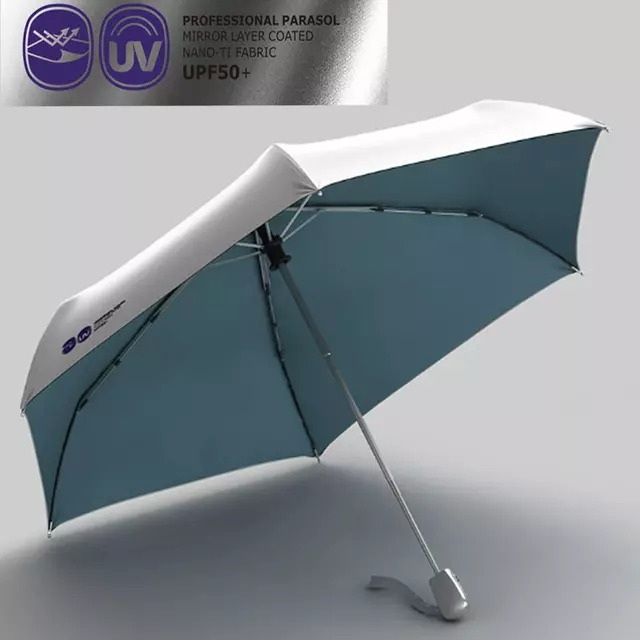
Daily life provides many situations where an Auto Umbrella proves its value. Imagine arriving at a supermarket during a thunderstorm: the parking space is far from the entrance, and rain is heavy. With a dedicated Auto Umbrella stored in the door compartment, the driver can open it slightly inside the car, step out covered, and walk toward the building with minimal exposure. The same applies when picking up children from school, assisting elderly relatives, or loading luggage into the trunk under unpredictable skies.
In hot climates, everyday parking also becomes more tolerable with a car‑shade Auto Umbrella. Instead of returning to a car that feels like an oven, drivers can enjoy a significantly cooler interior. Steering wheels, gear levers, and seats are less likely to become uncomfortably hot, and electronic devices left in the cabin are better protected from extreme temperatures. Over time, this can make a noticeable difference in comfort and perceived quality of ownership.
For people who travel frequently by road—sales representatives, service technicians, or delivery drivers—the Auto Umbrella becomes part of professional equipment. It supports punctuality and personal presentation by helping them arrive dry and presentable at client meetings, no matter what the sky is doing. For this group, investing in a robust, wind‑resistant Auto Umbrella is a small cost compared to the convenience and professional benefits it brings.
From the perspective of an umbrella manufacturer, Auto Umbrella products open strong business opportunities. Many automotive brands and dealerships look for accessories that reinforce their identity and add value to customers. Customized Auto Umbrella units with printed logos, brand colors, and tailored packaging can be used as gifts for new car buyers, loyalty rewards, or limited‑edition merchandise.
Fuel stations, car‑wash chains, and insurance companies also appreciate Auto Umbrella giveaways because they connect directly to the driving experience. A branded Auto Umbrella stored in a customer's car serves as a continuous reminder of the service provider each time rain appears or a car is parked outdoors. Compared with single‑use promotional items, an Auto Umbrella offers long‑term visibility and utility.
E‑commerce sellers and wholesalers benefit from Auto Umbrella lines that offer clear differentiation in a crowded online marketplace. Features such as strengthened ribs, double‑layer canopies, reflective elements, or upgraded automatic systems can all be highlighted in product listings. Bundling an Auto Umbrella with related accessories—such as storage bags, microfiber towels, or ice scrapers—also creates higher perceived value and supports premium pricing.
Instead of treating home umbrellas and Auto Umbrella products as competitors, it is more effective to view them as complementary parts of a complete weather‑protection strategy. For a typical household, this strategy might start with a simple plan:
- Keep one or two sturdy home umbrellas in a visible, easily accessible stand near the entrance.
- Place one compact Auto Umbrella in every frequently used car, ideally in the driver's door pocket or between seats.
- In very hot or sunny regions, add a car‑shade Auto Umbrella for vehicles parked outdoors for long periods.
This layout ensures that someone leaving the house on foot can rely on the home umbrella, while anyone traveling by car has a dedicated Auto Umbrella available. Over time, families often discover that having multiple umbrellas in fixed locations reduces the stress of “Who took the umbrella?” moments and the cost of buying cheap emergency umbrellas when caught unprepared.
For brands and OEM partners, a similar strategy applies at the product‑portfolio level. Combining classic home umbrellas with specialized Auto Umbrella lines allows them to offer complete solutions to retailers and corporate clients. Instead of just selling “an umbrella,” they can package home umbrellas, Auto Umbrella units, and car‑shade umbrellas into coherent collections: for example, “City Commuter,” “Family Driver,” or “Premium Auto Care.”
When budget or storage space forces a choice, users can prioritize by analyzing their habits. Someone who drives daily, parks outdoors, and lives in an area with strong sun or frequent showers will likely gain the most benefit from purchasing an Auto Umbrella first. In this case, a compact automatic Auto Umbrella kept in the car and, if needed, a car‑shade Auto Umbrella for long parking stays will deliver immediate advantages.
If a person walks more than they drive—such as urban apartment dwellers who rely on public transport—then investing first in a robust home umbrella makes sense. A full‑size, wind‑resistant umbrella with a comfortable handle can serve daily commutes, grocery runs, and social outings. Once budget permits, adding an Auto Umbrella to any household vehicle will complete the coverage and remove the risk of being stuck in a parking lot without protection.
In reality, many households only appreciate the importance of the Auto Umbrella after a few unpleasant experiences: arriving at a mall under sunshine and leaving under heavy rain, or finding the car interior unbearably hot after a short stop. Planning ahead, rather than reacting after the fact, is the key to building a smooth home‑and‑Auto Umbrella system.
Regardless of location, both home umbrellas and Auto Umbrella products last longer with proper care. After exposure to rain, umbrellas should be opened fully in a ventilated area and left to dry naturally. Closing and storing a wet umbrella in a stand, bag, or car compartment traps moisture, which can lead to mold on the fabric and corrosion on metal parts.
For Auto Umbrella units kept in the car, occasional inspection is especially important. Drivers should check that the automatic mechanism operates smoothly, the fabric is not torn, and the ribs have not become bent or misaligned. In cold climates, it is wise to avoid forcing the Auto Umbrella open if the fabric or joints have frozen; allowing it to warm slightly can prevent breakage.
Car‑shade Auto Umbrella models may require more deliberate folding and storage to avoid damage to joints and linkage points. Users should follow the folding sequence recommended by the manufacturer and avoid leaving the shade installed during storms beyond the rated wind level. Clean, dry storage in a trunk or dedicated bag keeps fabric and structural elements in good condition.
Home umbrellas and Auto Umbrella products are not rivals; they are partners in protecting people and vehicles from rain, sun, and unpredictable weather. A home umbrella guards the first and last steps of every journey, while a dedicated Auto Umbrella guarantees that drivers and passengers are never caught unprepared, no matter where the car is parked.
For individual users, the most effective approach is to plan for both: a dependable home umbrella by the door and at least one Auto Umbrella in each vehicle, with car‑shade Auto Umbrella options in hot or sunny regions. For brands, wholesalers, and OEM partners, combining home umbrellas and Auto Umbrella lines into coherent, branded collections creates more value, stronger differentiation, and a more complete story to share with customers.
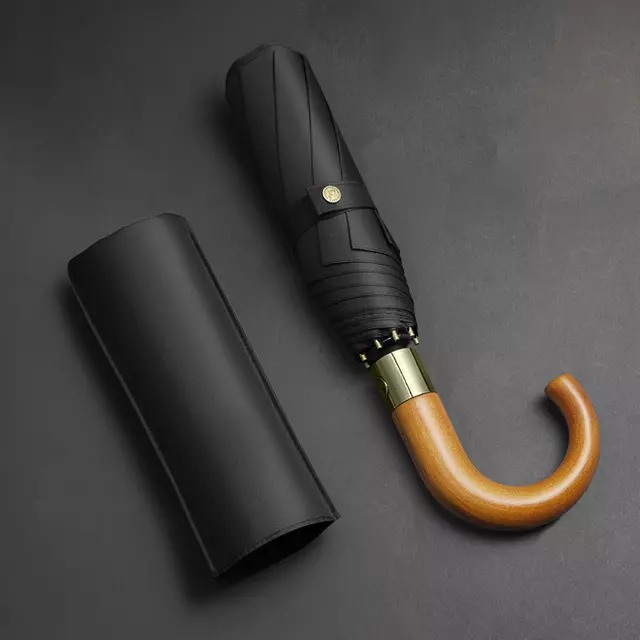
Yes, because the two umbrellas protect you in different phases of your journey. A home umbrella helps when leaving the house, but an Auto Umbrella stays with your vehicle and is available whenever weather changes while you are away, especially in parking lots or at service stations. Depending on driving habits, the Auto Umbrella may actually be used more frequently than the home umbrella.
A regular umbrella can be used anywhere, but it is not specifically designed for permanent in‑car storage or vehicle‑related scenarios. An Auto Umbrella is usually more compact, optimized for door pockets or glove boxes, and often features automatic open or open‑and‑close mechanisms to make entering and leaving the car easier. Some Auto Umbrella products are also shaped or constructed specifically to shade the car roof and windshield rather than just the user.
A practical setup for most families is at least one sturdy home umbrella for each frequently active adult and one Auto Umbrella in every car. In rainy or very sunny regions, keeping a backup Auto Umbrella in the trunk and compact umbrellas in backpacks adds extra security. This way, someone is always protected whether leaving home on foot or moving between destinations by car.
Auto Umbrella products are excellent branding tools because they are useful, durable, and closely connected to daily life. Companies can print logos and messages on the canopy or handle, choose brand colors for fabric and components, and package the Auto Umbrella in gift boxes for dealerships, insurance campaigns, or loyalty programs. Each time the Auto Umbrella is opened in rain or sun, the brand benefits from positive visibility.
To extend lifespan, always allow umbrellas to dry fully before closing and storing them. Periodically open and inspect both home and Auto Umbrella products to check for bent ribs, loose screws, or strained automatic mechanisms. Avoid using umbrellas beyond their wind rating, do not force them open when frozen or tangled, and store Auto Umbrella units in clean, dry areas of the vehicle. With these simple habits, both types can serve reliably for many seasons.


