
Language
Please Choose Your Language
Views: 222 Author: Amanda Publish Time: 2025-11-06 Origin: Site


Content Menu
● What makes a patio umbrella a market product?
● Key components and materials
● OEM collaboration opportunities
● Selecting the right patio umbrella for a market
● Design and production considerations for OEM partners
● Operational considerations for a successful OEM relationship
● Case study concepts for OEM buyers
● Design-to-market workflow for OEM projects
● Quality assurance and sustainability
● FAQ
>> 1. What distinguishes a market patio umbrella from a standard residential umbrella?
>> 2. How do OEM partnerships typically handle branding and customization?
>> 3. What materials are commonly used in market patio umbrellas for durability?
>> 4. What maintenance practices extend the life of a market patio umbrella?
>> 5. What regulatory considerations should OEM buyers anticipate?
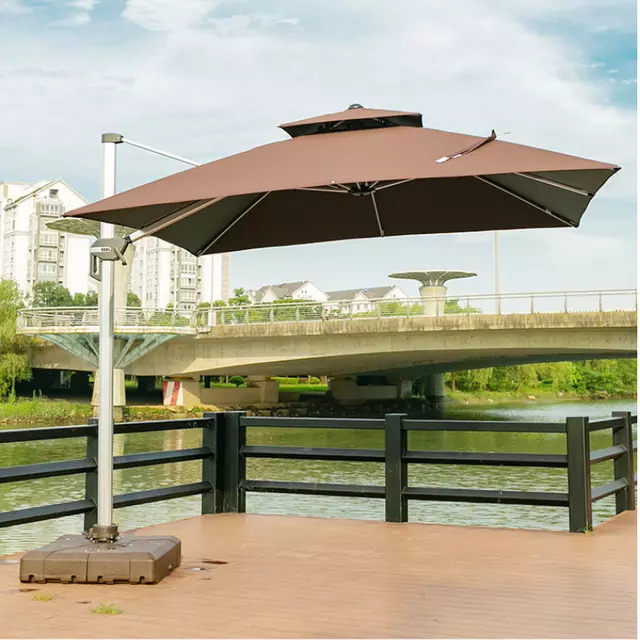
A market patio umbrella is a heavy-duty shade solution designed for outdoor spaces such as hotels, restaurants, resorts, shopping centers, and premium residential terraces. Built to withstand sun exposure, wind, and varying weather conditions, market patio umbrellas typically feature reinforced frames, fade-resistant canopies, UV protection, and practical operation systems. For brands seeking OEM partnerships, market patio umbrellas offer a compelling combination of durability, design flexibility, and production scalability that aligns with international marketing campaigns and channel strategies. This article explores what defines a market Patio Umbrella, the key components and materials, current trends, and how an OEM-focused umbrella manufacturer can collaborate with foreign brands, wholesalers, and manufacturers to deliver tailored solutions.
Patio umbrellas marketed to hospitality venues, premium residences, and outdoor retail spaces emphasize durability, performance, and brand alignment. Core characteristics include:
- Size and coverage: Large canopy diameters, typically ranging from 6 to 11 feet, with some configurations offering dual-canopy arrangements for expansive shade zones. This ensures consistent sun protection across large dining or lounging areas.
- Frame resilience: Powder-coated or stainless-steel frames designed to resist corrosion and bending under wind loads, with reinforced hub systems and ribs engineered for long service life.
- Fabric performance: High-performance canopy fabrics with UV inhibitors, water repellence, colorfastness, and fade resistance, suitable for daily commercial use.
- Operating mechanisms: Crank, tilt, or motorized options that enable staff to position the umbrella quickly and reliably, supporting high-traffic environments.
- Bases and mounting: Secure, heavy bases or anchoring systems designed to meet safety standards; some installations use integrated pedestals or wall/column mounting for added stability.
- Customization: OEM-friendly design that accommodates branding details, colorways, logo placement, and modular components to fit different venue specifications.
- Canopy: The canopy fabric is typically made from solution-dyed acrylics or high-performance polyester blends with UV inhibitors. The fabric choice affects shading quality, colorfastness, and maintenance needs. For OEM projects, offering a range of fabrics (with fire-retardant treatments where required) is a common value proposition.
- Frame: Aluminum and steel alloys are common. Aluminum frames reduce weight and corrosion risk for coastal deployments, while steel frames deliver maximum rigidity. Finishes such as powder coating or anodizing extend service life in outdoor environments.
- Ribs and hub: The rib system and hub mechanism contribute to the canopy's tilting range and resistance to wind stress. Reinforced hubs reduce wobble and improve lifespan in high-usage venues.
- Base: Base systems range from decorative weighted bases to concrete-filled pedestals or bolted mounting in hardscape installations. OEM programs often include base options as part of a complete package.
- Control system: Manual crank, pulley systems, or motorized options may be offered, especially for larger market umbrellas that require easier operation for staff.
- Hospitality-led durability: Hotels, resorts, and restaurants demand umbrellas that endure high-traffic use, quick turnover, and frequent cleaning. This pushes demand for corrosion-resistant frames and fade-resistant fabrics.
- Custom branding and design: Brands want umbrellas that reflect their visual identity. OEM collaborations often center on color palettes, logo placement, and architectural compatibility with outdoor spaces.
- Sustainability and regulation: As consumer awareness grows, eco-friendly materials and responsible manufacturing practices become differentiators in marketing communications. Some regions require fire-retardant treatments and material certifications for canopy fabrics.
- Modular solutions: Market umbrellas increasingly feature modular components (segments, sleeves, mounts) to facilitate easy replacement or reconfiguration for evolving spaces.
- Smart integration: Some operators pilot shade solutions with integrated lighting, weather sensors, or motors linked to building management systems, enabling automation and energy management.
- Brand localization: OEM partners can offer market umbrellas tailored to regional climates, coastal versus inland winds, and local regulatory requirements, with appropriate fabric and frame choices.
- Design-to-production workflow: From prototype samples to finished product, a structured process helps foreign brands translate their designs into scalable production runs, ensuring color accuracy, fit, and performance.
- Material sourcing and compliance: OEM suppliers often cross-verify fabric certifications, flame retardancy ratings, and environmental compliance to meet end-customer expectations and regional standards.
- After-sales support: OEM partnerships can include spare parts catalogs, maintenance guidance, and warranty coverage that align with the brand's service expectations.
- Use-case analysis: Outdoor dining areas benefit from larger canopy diameters and stable bases; resort pool decks may require wind-venting features and corrosion-resistant frames.
- Climate considerations: Humidity, salt spray, UV exposure, and wind patterns influence fabric and frame choices, as well as maintenance schedules.
- Aesthetic alignment: Colors, textures, and finish levels should harmonize with architectural styles and brand identity, while offering durable UV protection.
- Regulatory compliance: In some markets, fire safety standards and material certifications govern canopy fabrics, frames, and base systems. OEM partners should anticipate these requirements in design specs.
- Communication and specification clarity: Clear spec sheets, visuals, and BOMs minimize rework and accelerate time-to-market for market umbrellas.
- Testing and quality assurance: Fabric colorfastness, seam strength, and environmental cycling tests validate product reliability under UV exposure, wind, and humidity cycles.
- Packaging and shipping: Efficient packaging, palletization, and protective inserts reduce transit damage and improve margins for distributors.
- After-sales and warranties: Transparent warranty policies and spare parts availability sustain brand trust and long-term partnerships.
- Lead times and MOQ alignment: Align production calendars with marketing campaigns and seasonal demand; establish minimum order quantities that balance capacity and flexibility.
- Communication cadence: Regular design reviews, sample approvals, and pre-production checks minimize costly changes late in the cycle.
- Logistics and regional hubs: Establish regional distribution or assembly hubs to optimize shipping costs and lead times for overseas brands.
- Hospitality chain rollout: A global hotel brand seeks a uniform umbrella solution across dozens of properties; the OEM partner provides a standardized canopy design, color palette, and supply chain schedule, with regional fabric options to address climate differences. This approach reduces on-site variance and supports consistent brand experiences.
- Retail plaza refresh: A shopping center replaces aging umbrellas with modular, wind-stable market umbrellas that can be quickly swapped for seasonal campaigns, while maintaining branding through logo panels and colorways.
- Initial brief and concept: The brand provides desired canopy sizes, colorways, logos, and branding treatment; the OEM partner translates these into technical drawings and BOMs.
- Prototype and sampling: Physical samples and digital renders are reviewed for color accuracy, fabric performance, and fit with mounting systems.
- Pilot production: A small production run validates manufacturing processes, quality control, and logistics.
- Full-scale production: Once samples are approved and lead times agreed, mass production proceeds with ongoing QC and staged shipping to regional hubs.
- After-sales framework: Spare parts provisioning, warranty administration, and field support plans are established to sustain long-term partnerships.
- Material traceability: Track fabrics and finishes from supplier to finished product to satisfy regulatory and brand requirements.
- Testing protocols: Conduct wind resistance, UV aging, seam strength, and load tests to certify performance.
- Sustainability disclosures: Communicate material ECO/FOCUS standards where applicable, and outline recycling or take-back programs where feasible.
Market patio umbrellas represent a mature, versatile shade solution for commercial outdoor spaces, with strong potential for OEM collaborations that serve foreign brands, wholesalers, and manufacturers. By prioritizing durable frames, fade-resistant fabrics, practical operating mechanisms, and branding flexibility, an umbrella manufacturer can deliver tailored, scalable solutions that meet diverse climate, regulatory, and aesthetic requirements. A well-structured OEM program enables partners to accelerate time-to-market, maintain consistent brand experiences, and provide reliable after-sales support across international markets.
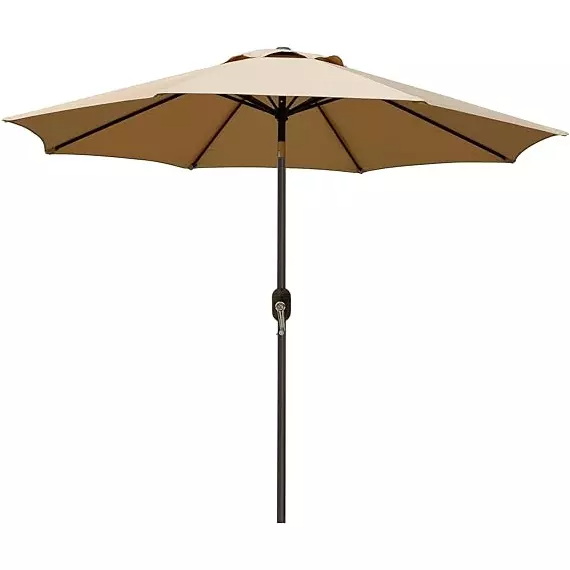
- A market patio umbrella is designed for high-usage, weather-exposed environments with reinforced frames, larger canopy sizes, and durable fabrics suitable for hospitality or commercial settings, whereas residential models emphasize aesthetics and occasional use.
- OEM partnerships usually offer color-matched canopies, logo placement on panels, branded carrying cases, and modular components, ensuring the umbrella fits the brand's visual identity and deployment needs.
- Common combinations include aluminum or steel frames with powder coating, high-performance canopy fabrics with UV protection, and robust base or mounting solutions designed for outdoor durability.
- Regular cleaning, avoiding prolonged immersion in water, sealing metal parts periodically, and using protective covers when not in use help extend the life of components exposed to outdoor conditions.
- Depending on the market, canopy fabrics may require flame-retardant treatments and certifications, while metal components may need corrosion resistance specifications and safety testing for wind resistance.
[1](https://www.worldumbrellas.com/info/what-is-the-manufacturing-process-of-umbrellas-103121493.html)
[2](https://www.jiayunbrella.com/process)
[3](https://www.brumbrellas.com/manufacturing-process-of-outdoor-beach-umbrellas/)
[4](https://www.youtube.com/watch?v=dQkghj7HKcE)
[5](https://blogs.cdc.gov/niosh-science-blog/2022/05/25/mm_umbrellas/)
[6](https://www.umbrellafactory.cn)
[7](https://www.facebook.com/hfumbrella/videos/ever-wondered-how-an-umbrella-frame-is-made-watch-as-we-take-you-through-the-ste/1367619114671499/)
[8](https://www.coartsinnovation.com/patio-umbrella-manufacturer/)


